


WASHINGTON, November 2, 2026 — The United States carried out limited military strikes against Iranian targets near the Strait of Hormuz on Monday, just hours before Americans head to the polls for the November 3 midterm elections, raising fresh concerns about escalating tensions in the Middle East.
The strikes were confirmed by U.S. officials and reported by the Associated Press, Reuters, CBS News, and The Wall Street Journal.
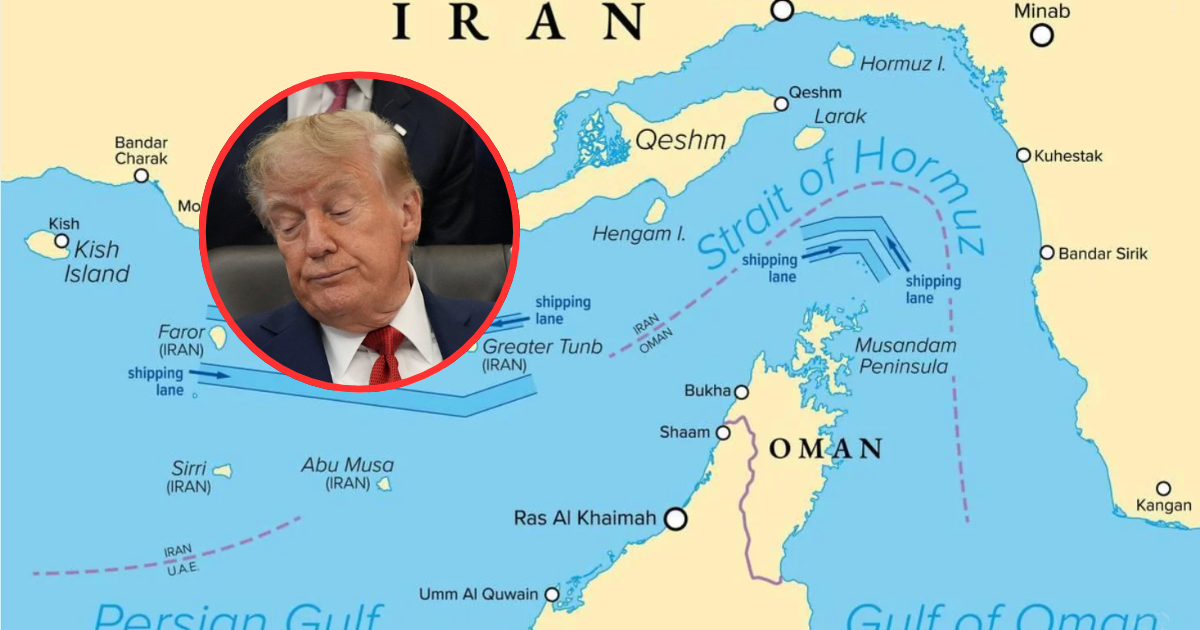
According to American officials, the operation targeted Iranian military positions on Qeshm Island, strategically located in the Strait of Hormuz. Iranian state television reported explosions on the island.
A U.S. official, speaking on condition of anonymity, said the strikes targeted Iranian forces that had used surface-to-air missiles against American assets in the region. CBS News reported that the incident involved Iranian fire directed at a U.S. aircraft.
Initial reports indicated that the strikes were limited defensive operations rather than the beginning of a renewed large-scale military campaign.
Trump Had Promised No Attacks Before the Elections
The timing of the military action is particularly significant because President Donald Trump had publicly promised not to attack Iran before the November 3 congressional elections.
On October 8, Trump announced that the United States would refrain from military strikes against Iran until after the midterms, while emphasizing that diplomatic discussions with Tehran were continuing.
The latest operation therefore raises questions about how the administration distinguishes limited defensive military action from the broader offensive campaign Trump had previously ruled out.
The strikes also come at a politically sensitive moment, with control of Congress at stake and the ongoing conflict with Iran already affecting American political debate.
Diplomatic Negotiations Continue
Despite the military developments, Washington and Tehran have continued exploring a possible negotiated settlement.
Earlier Monday, Vice President JD Vance expressed optimism about diplomatic progress following discussions with President Trump.
Regional mediators, including Qatar, have been working to establish a framework that could reduce military tensions and restore more secure maritime traffic through the Strait of Hormuz.
However, major disagreements remain over the U.S. blockade, Iranian military activities, and guarantees surrounding any potential agreement.
The latest strikes highlight the fragile situation, in which diplomatic negotiations and military confrontations continue simultaneously.
Why the Strait of Hormuz Matters
The Strait of Hormuz is one of the world’s most strategically important maritime passages, connecting the Persian Gulf with international shipping routes.
A substantial share of the world’s oil and liquefied natural gas shipments normally passes through the waterway.
Any renewed military escalation could threaten commercial shipping, disrupt global energy supplies, and create additional uncertainty for international markets.
For American consumers, developments in the region are particularly important because disruptions in global oil supplies can influence gasoline prices and transportation costs.
A New Political Challenge on Election Eve
The military operation comes at a critical moment for Washington, as Americans prepare to vote in elections that will determine control of the House of Representatives and the Senate.
The Iran conflict, energy prices, inflation, and broader economic concerns have already become important subjects in the 2026 election campaign.
The latest strikes could bring renewed attention to the administration’s foreign policy decisions and the possibility of further military escalation.
For now, American officials have characterized the operation as limited and defensive. Whether the confrontation will remain contained or complicate ongoing diplomatic negotiations remains uncertain.
With voting beginning Tuesday, the United States enters Election Day facing both a consequential domestic political contest and renewed military tensions abroad.
Sources: Associated Press, Reuters, BBC News, The Wall Street Journal, Axios
By NJ RADAR Team