


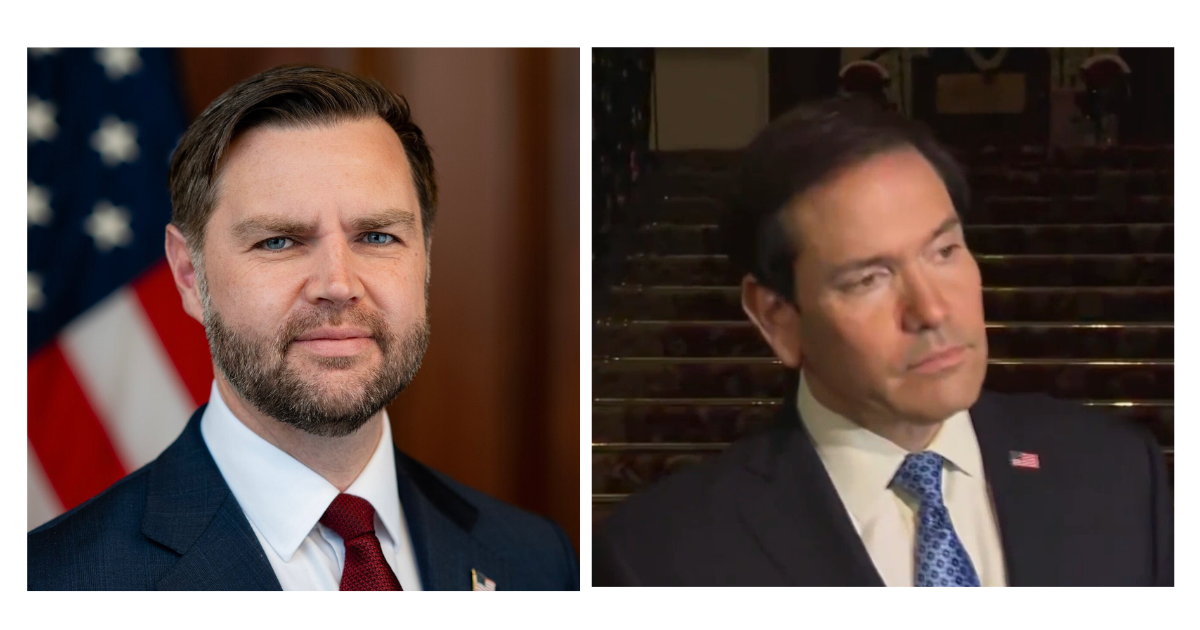
WASHINGTON — November 5, 2026 — Political tensions are intensifying within President Donald Trump’s administration following the Republican Party’s defeat in the November 3 midterm elections, as Vice President JD Vance publicly blames the war with Iran for the losses and Secretary of State Marco Rubio becomes the subject of growing speculation about a possible departure from the White House.
The developments come as Democrats prepare to take control of both chambers of Congress in January, while the administration faces mounting pressure over the war, rising living costs, and the future of American foreign policy.
Vance’s unusually direct criticism and reports concerning Rubio’s political future have renewed questions about divisions within the Republican leadership and the possible emergence of competing presidential ambitions ahead of the 2028 election.
JD Vance Publicly Blames Iran War for Election Defeat
On November 4, Vice President JD Vance delivered one of the strongest public criticisms of the Iran war from within the Trump administration.
“The reason we lost is the war,” Vance wrote in a lengthy post on X.
He challenged those defending the military campaign to consider whether its consequences justified the Republican Party’s electoral losses, including the loss of Senate control.
Vance also defended his earlier recommendation to end the conflict, signaling that he continues to question whether prolonging the war serves American interests.
His remarks marked a significant departure from President Trump’s continued defense of military operations against Iran.
According to Reuters, Vance’s comments could complicate White House deliberations over whether to resume major combat operations.
The vice president has long expressed skepticism about prolonged American involvement in Middle Eastern conflicts, although he publicly supported the administration after Trump authorized military action earlier this year.
Marco Rubio Reportedly Considering Leaving the Administration
While Vance has openly challenged the political consequences of the war, Secretary of State Marco Rubio is facing a different controversy.
Bloomberg has reported that people within Rubio’s political circle have explored whether he should leave the Trump administration and when such a departure might take place.
The speculation intensified Thursday following a report by The Independent, which cited sources in Washington and the British government suggesting that Rubio could step down to prepare for a possible presidential campaign in 2028.
According to the report, some of Rubio’s political allies believe remaining in the administration could complicate his future ambitions, particularly as the war with Iran becomes an increasingly divisive political issue.
One reported consideration is whether Rubio should establish greater political distance from the conflict before the next presidential election.
However, these accounts are based largely on unnamed sources. Rubio has not announced his resignation or publicly confirmed plans to leave the administration.
White House and State Department Deny Resignation Reports
The Trump administration has strongly rejected reports suggesting Rubio is preparing to resign.
White House spokesperson Davis Ingle dismissed the speculation as baseless and insisted that the president’s team remains united.
State Department Assistant Secretary Dylan Johnson also rejected the reports, describing claims about Rubio’s possible departure as fabricated.
The Independent’s reporting included an administration source who said Rubio had shown no indication that he intended to resign.
Other sources suggested the Republican election defeat could actually encourage Rubio to remain in office to help maintain stability within the administration.
For now, the reports remain unconfirmed, and Rubio continues serving as secretary of state.
Two Different Approaches to the Iran War
The contrast between Vance and Rubio reflects a broader debate within the Republican Party over the use of American military power.
Vance has increasingly emphasized the political and economic consequences of the conflict, including its impact on voters frustrated by high fuel prices and continued military involvement abroad.
Rubio, meanwhile, has traditionally supported a more assertive American foreign policy and has defended military pressure on Iran as a necessary response to security threats.
Although some political observers believe Rubio may eventually seek to distance himself from the war, he has not publicly criticized the military campaign in the same way as Vance.
The distinction is significant: Vance has made his disagreement public, while reports about Rubio’s possible political repositioning remain based on anonymous sources and speculation.
Trump Defends the War Despite Election Losses
President Trump has acknowledged that the Iran conflict contributed to the Republican Party’s disappointing election results.
However, he has defended his decision to launch military operations, arguing that preventing Iran from obtaining nuclear weapons remains a major national security priority.
According to Reuters, Trump has indicated that he would make the same decision again despite the domestic political consequences.
Meanwhile, the Pentagon continues preparing possible military options as the administration considers whether to resume major combat operations against Iranian targets.
No final decision on another large-scale military campaign has been publicly confirmed.
The possibility of renewed fighting has raised additional concerns about energy supplies, international shipping, and the economic consequences of another military escalation.
The 2028 Presidential Election Enters the Political Conversation
The emerging debate has also increased attention on the future of the Republican Party.
Both JD Vance and Marco Rubio have been discussed as possible presidential candidates in 2028, when Trump will be constitutionally barred from seeking another elected term.
Vance’s public criticism of the Iran war could become an important part of his political identity, particularly among Republican voters who oppose prolonged military interventions.
Rubio’s extensive foreign policy experience and high-profile role in the administration could also influence his future political decisions.
However, neither official has formally announced a presidential campaign.
Reports that Rubio might leave the administration should therefore be understood as political speculation rather than a confirmed step toward a candidacy.
Democrats Will Not Take Control of Congress Until January
Although Democrats won majorities in both the House of Representatives and the Senate in the November 3 elections, the new Congress will not begin its term until January 3, 2027.
The existing congressional leadership remains in place throughout November and December.
This distinction is particularly important as the Trump administration considers its next steps in Iran.
The election results create new political pressure, but they do not immediately transfer legislative control to Democrats.
Even after January, any attempt to restrict military operations would involve complicated questions about congressional authority, presidential war powers, and federal spending.
A Critical Moment for the Trump Administration
The combination of Republican electoral losses, Vance’s criticism of the Iran war, and reports about Rubio’s possible departure has created fresh uncertainty about the administration’s direction.
For the White House, the immediate challenge is balancing military objectives abroad with mounting economic and political dissatisfaction at home.
For Vance and Rubio, the debate may also shape how Republican voters evaluate their leadership in the years ahead.
Vance has chosen to speak openly about the political costs of the conflict. Rubio has not announced any change in his position, but questions about his future within the administration are attracting increasing attention.
Whether these developments lead to personnel changes, a shift in military strategy, or renewed diplomatic negotiations remains uncertain.
What is clear is that the November elections have intensified scrutiny of the Iran war and created new challenges for Trump’s administration during the final two years of his presidency.
Sources: Reuters, Bloomberg, The Independent, Associated Press, Anadolu Agency, November 4–5, 2026.
By NJ RADAR Team