


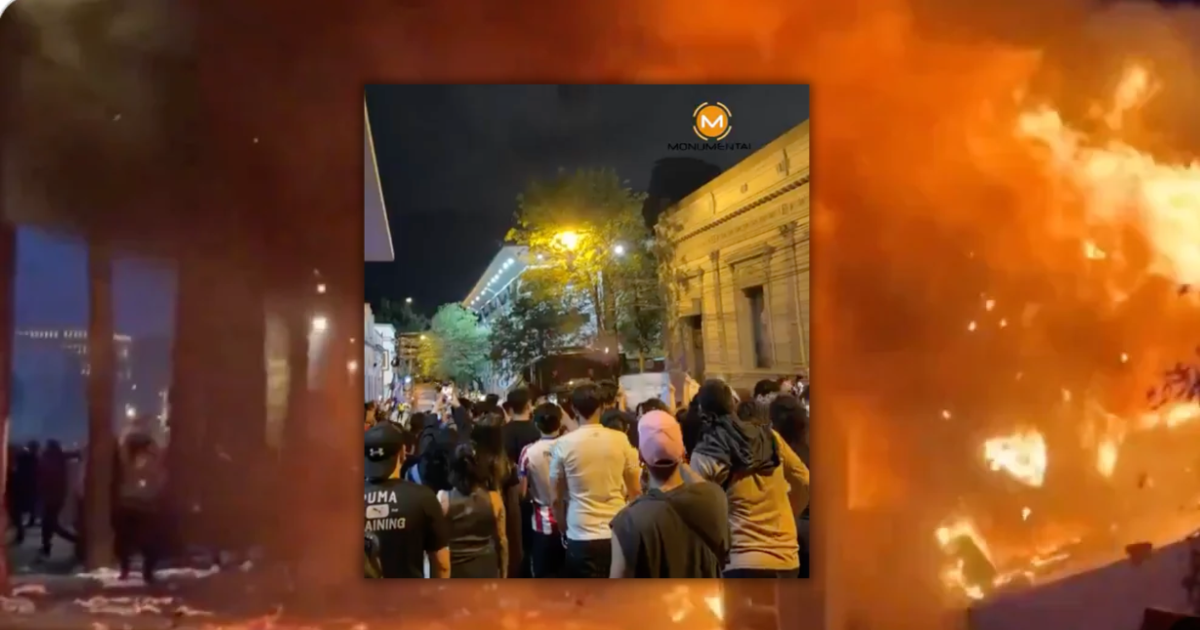
ASUNCIÓN, PARAGUAY — November 4, 2026 — Paraguay is facing a major financial and political crisis following the intervention of Ueno Bank, one of the country’s fastest-growing digital financial institutions. Approximately three million customers have been affected by the disruption, while eight bank executives have been detained and the country’s central bank president has resigned.
The crisis has also triggered an impeachment initiative against President Santiago Peña, raising serious questions about financial oversight, political connections, and the protection of public pension funds.
Why Was Ueno Bank Shut Down?
On November 2, 2026, Paraguay’s Central Bank unanimously approved resolution proceedings against Ueno Bank after determining that its solvency ratio had fallen below 50% of the legally required minimum.
The decision followed regulatory reviews that identified significant weaknesses in the bank’s financial position.
Founded in 2021, Ueno Bank experienced extraordinary expansion, attracting approximately three million customers and becoming a major player in Paraguay’s digital banking sector.
However, its rapid growth also attracted regulatory scrutiny, particularly regarding loans involving companies connected to the bank’s ownership group.
Millions of Customers Unable to Access Their Money
The intervention immediately disrupted banking services, leaving millions of customers unable to access accounts or conduct normal financial transactions.
For many households, the situation created uncertainty over personal savings, salaries, electronic payments, and everyday expenses.
According to the Associated Press, approximately 97% of depositors are expected to be covered by Paraguay’s deposit insurance system, which protects deposits up to approximately $38,000 per person.
On November 4, the Central Bank announced that advance payments to eligible depositors would begin within 24 hours and be completed within five business days.
The announcement provides some reassurance, although customers with larger deposits continue to face uncertainty about recovering their full balances.
Hundreds of Millions in Public Funds at Risk
One of the most concerning aspects of the crisis is the substantial amount of public money held by Ueno Bank.
According to international reporting, the institution held approximately $800 million to $850 million in public-sector funds, including around $380 million connected to Paraguay’s state pension and health system.
These figures have raised serious concerns about the management of public resources and the safeguards designed to protect workers, retirees, and taxpayers.
The presence of these funds does not necessarily mean they have been permanently lost. Their eventual recovery will depend on the resolution process and the institution’s remaining assets.
Eight Executives Detained as Investigation Expands
Paraguayan authorities have detained eight individuals linked to Ueno Bank as prosecutors investigate suspected financial irregularities.
The investigation includes allegations concerning the bank’s operations, management decisions, and potential violations of financial regulations.
Authorities have also moved to freeze assets connected to the investigation.
The individuals involved remain entitled to due process, and the allegations have not yet been established by a court.
Central Bank President Resigns
Carlos Carvallo, president of Paraguay’s Central Bank, submitted his resignation on November 3 following a request from President Santiago Peña.
Carvallo had previously served as president of Ueno Bank before assuming leadership of the country’s central banking institution.
His professional connections to the institution have intensified political criticism and raised questions about the independence of financial supervision.
President Santiago Peña Faces Impeachment Initiative
The banking crisis has now reached Paraguay’s highest political office.
On November 4, 35 opposition lawmakers filed impeachment articles against President Santiago Peña, accusing him of conflicts of interest and failures of oversight related to the bank’s collapse.
Peña was previously a shareholder in Grupo Vázquez, the company controlling Ueno Bank, until March 2025.
The president has emphasized that protecting depositors should remain the government’s priority and that those responsible for any proven wrongdoing should face legal consequences.
However, the impeachment initiative faces significant obstacles because the opposition does not currently have the two-thirds legislative majority required to advance the process.
Could the Crisis Spread to Other Banks?
The collapse has raised questions about the stability of digital banking and the ability of regulators to supervise rapidly expanding financial institutions.
As customers attempted to move money and open accounts elsewhere, some banking applications experienced technical disruptions caused by unusually high demand.
Paraguay’s Central Bank has stressed that Ueno Bank represents an isolated case rather than evidence of a broader banking-system collapse.
The country’s banking association has similarly indicated that other financial institutions continue operating normally.
A Warning About Financial Trust
The crisis highlights how quickly public confidence can deteriorate when a major financial institution becomes unable to meet its regulatory obligations.
Digital banking has made financial services more accessible to millions of people, but technological convenience does not replace the need for strong capital reserves, independent supervision, and transparent financial management.
The involvement of public pension funds and senior political figures makes the Paraguayan crisis particularly significant.
For millions of customers, the immediate priority remains recovering access to their savings.
For Paraguay’s government, the challenge extends beyond restoring banking services. Authorities must also demonstrate that financial institutions are subject to effective oversight and that public resources are protected.
The coming days will determine how quickly depositors receive their money and whether the ongoing investigations lead to further financial or political consequences.
Tags: Paraguay, Ueno Bank, Banking Crisis, Bank Collapse, Digital Banking, Financial Crisis, Santiago Peña, Carlos Carvallo, Central Bank of Paraguay, Pension Funds, Deposit Insurance, Financial Regulation, Political Crisis, International News
Sources: Reuters, November 4, 2026; Associated Press, November 3, 2026
By NJ RADAR Team