


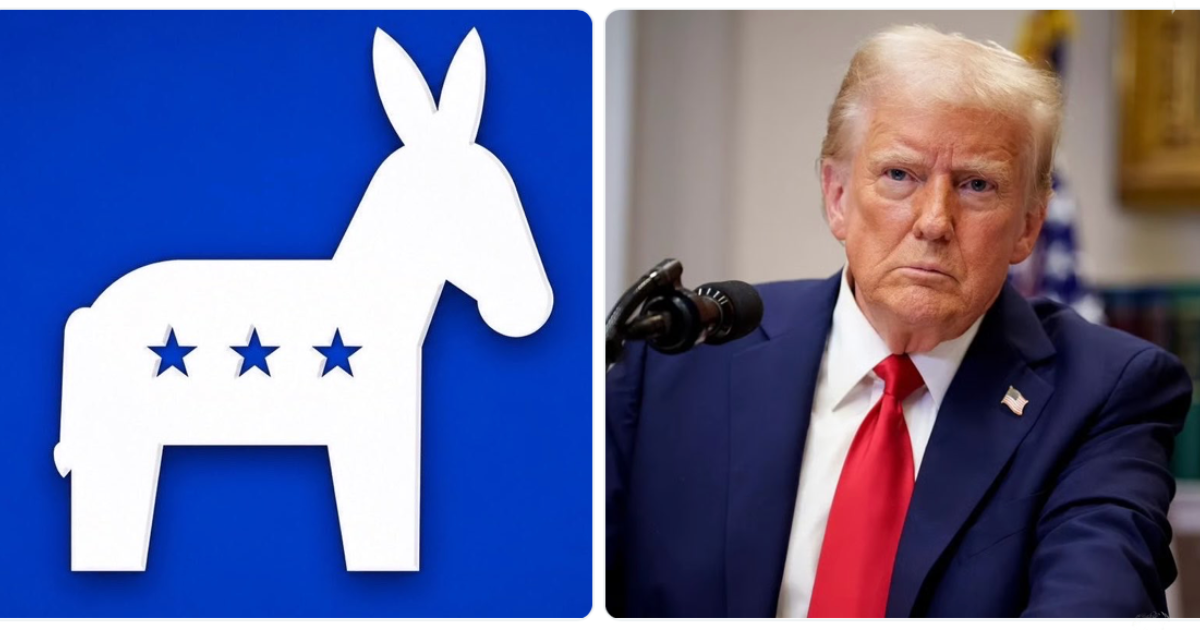
WASHINGTON, D.C. — November 8, 2026 — President Donald Trump’s plan to dramatically increase U.S. military spending is facing strong opposition from congressional Democrats, who say the proposed $1.5 trillion defense budget is too expensive and would divert money from important domestic programs.
Following their victories in the November 3 midterm elections, Democrats are preparing to challenge the administration’s defense spending plans for fiscal year 2027.
Representative Adam Smith of Washington, the leading Democrat on the House Armed Services Committee, has called for a military budget below $1 trillion, arguing that national security spending must be more realistic and financially sustainable.
The Trump administration’s proposal would represent an increase of roughly 40% over current defense spending, making it one of the largest proposed military spending increases in modern American history.
Why Democrats Oppose the Proposal
Democrats argue that the Pentagon should not receive such a large increase while other federal programs face reductions.
They have raised concerns about the impact on healthcare, education, and assistance programs, as well as the growing federal deficit.
The dispute has also been shaped by the war in Iran, which has strained relations between the administration and congressional Democrats.
Several Democratic lawmakers have criticized the administration’s handling of the conflict and demanded greater congressional oversight of military operations and spending.
In July, Senate Democrats blocked progress on a separate defense authorization bill, protesting the administration’s military actions in Iran.
What the Trump Administration Wants
The proposed $1.5 trillion budget would provide funding for new weapons, missile defense systems, military technology, and efforts to replenish equipment and ammunition used in ongoing operations.
Defense Secretary Pete Hegseth has defended the increase as necessary to maintain American military strength and prepare for future threats.
Republican supporters argue that additional funding is essential to modernize the armed forces and maintain military readiness.
However, disagreements over the size of the budget and how the money should be spent have complicated negotiations within Congress.
What Happens Next?
Although Democrats have announced their opposition, Trump’s proposed military budget has not yet been formally rejected in its entirety.
The current Congress must still negotiate defense legislation, while the newly elected Democratic majorities are scheduled to take office in January 2027.
That transition could give Democrats greater influence over military spending, including the ability to demand changes, investigate Pentagon expenditures, and reject funding proposals they consider excessive.
For now, the dispute remains unresolved, with both parties facing difficult negotiations over the future of American military spending.
Sources: The Center Square, November 5, 2026; Reuters, November 4, 2026; The Washington Post, October 29, 2026.
By NJ RADAR Team