


NEW JERSEY — November 5, 2026 — Two tankers carrying Russian diesel fuel toward the United States have changed course, raising questions about President Donald Trump’s controversial agreement with Russia and highlighting growing opposition from New Jersey Governor Mikie Sherrill.
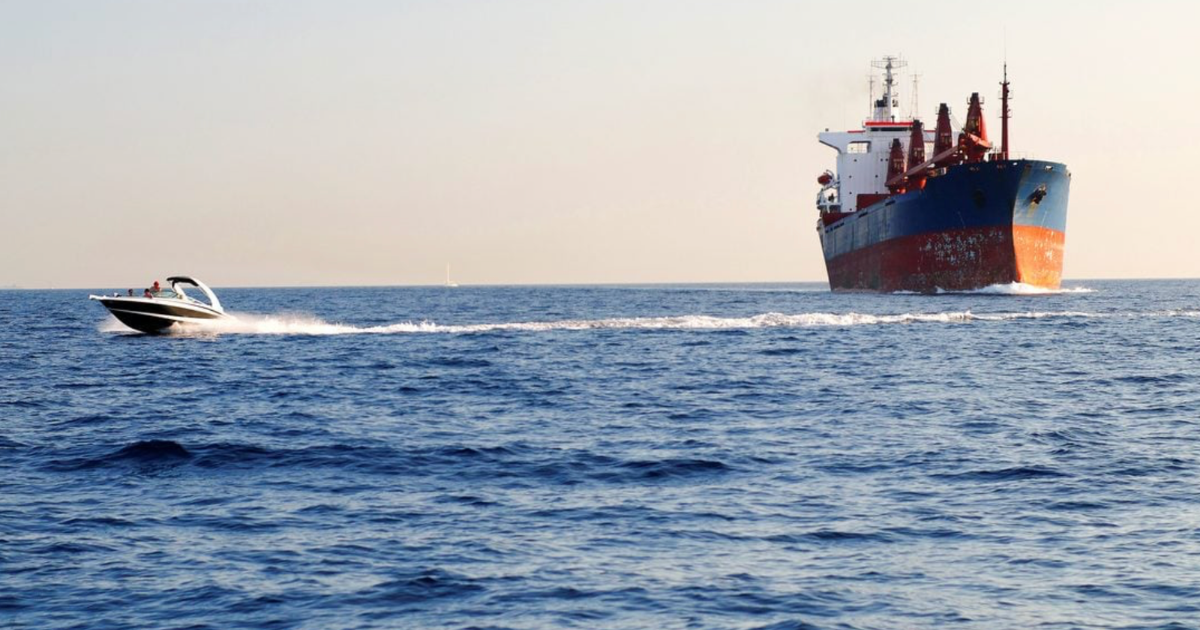
According to the Financial Times, two of the first three vessels expected to deliver Russian diesel to the U.S. East Coast have diverted to other destinations following warnings about potential legal consequences for American importers.
The developments come just days after Sherrill warned New Jersey port and terminal operators against accepting Russian fuel shipments, arguing that the imports violate federal law.
Two Russian Diesel Tankers Turn Away From U.S. Coast
The first tanker, Talisman, which is subject to U.S., British, and European Union sanctions, changed course from the Atlantic Ocean into the Mediterranean Sea.
The vessel was last reported near Algeria, displaying an “awaiting orders” status rather than identifying an American destination.
A second tanker, Leruo, owned by a Hong Kong company and sailing under the flag of Sierra Leone, changed its declared destination to Brazil.
The third vessel, Agioi Fanendes, operated by the Greek shipping company Eastern Mediterranean Maritime, continues toward the United States but has not confirmed where it will unload its cargo.
Another tanker, Beast, reportedly remains on a route toward the American Atlantic coast.
The changes suggest that American buyers and shipping operators may be reconsidering their involvement in the controversial fuel arrangement.
Governor Sherrill Warns New Jersey Ports of Severe Penalties
On November 2, Governor Mikie Sherrill sent letters to 12 port and terminal operators across New Jersey, warning that accepting Russian diesel could expose businesses and individuals to substantial civil and criminal penalties.
Sherrill cited the Ending Importation of Russian Oil Act, passed by Congress in April 2022 following Russia’s invasion of Ukraine.
The law prohibits imports of Russian oil and petroleum products into the United States.
The governor argued that the Trump administration’s recent authorization of Russian diesel imports conflicts with that legislation.
She warned that companies involved in importing prohibited fuel could face financial penalties equal to the value of the shipments.
Sherrill also pledged to use available state legal and regulatory authority to prevent New Jersey infrastructure from facilitating transactions she considers unlawful.
Trump Administration Defends Russian Diesel Agreement
The controversy began after the Trump administration authorized certain transactions involving Russian diesel through a Treasury Department license issued on October 9.
The administration presented the arrangement as an effort to increase fuel supplies and ease rising energy prices.
However, the decision has drawn criticism from lawmakers in both political parties, who question whether the administration can authorize imports that Congress previously prohibited.
Sherrill maintains that federal law does not provide unrestricted authority to waive the Russian fuel import ban.
The dispute raises a broader legal question about the limits of presidential authority over sanctions and international energy trade.
U.S. Diesel Supplies Reach Critical Levels
The tanker diversions come at a particularly sensitive moment for American energy markets.
According to the Financial Times, U.S. diesel inventories have fallen below 100 million barrels for the first time in more than two decades.
Diesel prices have climbed sharply amid disruptions associated with conflicts involving Iran and Ukraine.
National diesel prices have risen above $6 per gallon, increasing transportation and operating costs for businesses that depend on trucks, construction equipment, agricultural machinery, and commercial deliveries.
Higher diesel prices can also affect consumers indirectly through increased shipping and distribution costs.
The Russian shipments were intended to help ease some of these pressures, but uncertainty surrounding their legality has complicated the administration’s plans.
New Jersey at the Center of a National Energy Dispute
New Jersey’s ports and petroleum terminals are strategically important to fuel distribution throughout the northeastern United States.
Facilities in areas such as Linden, Carteret, Bayonne, and Perth Amboy play significant roles in the region’s energy infrastructure.
Sherrill’s warning places New Jersey at the center of a dispute involving federal energy policy, international sanctions, and the economic consequences of rising fuel costs.
Shipping analysts suggest that uncertainty over sanctions and potential penalties may discourage American companies from purchasing Russian diesel even when the federal administration has authorized certain transactions.
However, it has not been conclusively established that Sherrill’s warning alone caused the tankers to change course.
What Happens Next?
The future of the Russian diesel agreement remains uncertain.
Additional vessels may continue toward the United States, but their final destinations and the willingness of American buyers to accept their cargoes remain unresolved.
The situation also creates a potential legal confrontation between the Trump administration and New Jersey’s governor over the interpretation of federal sanctions law.
For now, the diversion of two tankers represents a significant obstacle to the administration’s effort to bring Russian diesel into the American market.
As fuel prices remain elevated and domestic inventories continue to tighten, the dispute could have implications far beyond New Jersey’s ports, affecting transportation costs, energy markets, and U.S. relations with Russia.
Sources: Financial Times (November 5, 2026), Reuters (November 3, 2026), Office of Governor Mikie Sherrill (November 2, 2026), CBS News, New Jersey Monitor, The New York Times.
By NJ RADAR Team