


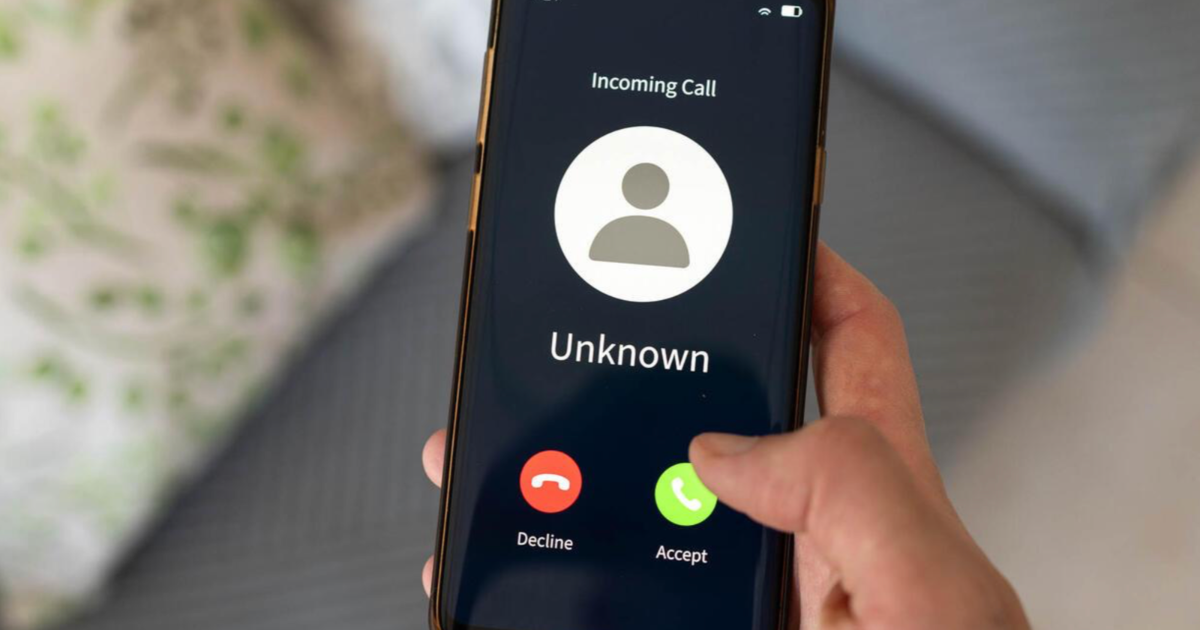
NEW JERSEY, October 29, 2026 — New Jersey ranks among the ten states with the highest rates of complaints about unwanted phone calls, according to a new analysis of federal consumer protection data.
The study, conducted by SMS verification provider SMSPool and reported by News 12 New Jersey, found that residents filed more than 472,000 complaints about unwanted calls over a five-year period.
The findings highlight a persistent problem involving robocalls, unsolicited telemarketing, and potentially fraudulent phone calls affecting consumers across the state.
More Than 472,000 Complaints in Five Years
The analysis examined Federal Trade Commission (FTC) records collected between October 2020 and September 2025.
During that period, New Jersey residents submitted 472,254 complaints, equivalent to approximately 4,946 complaints per 100,000 residents.
That placed New Jersey ninth nationally when states were ranked by complaint rates adjusted for population.
The study also found that complaints increased significantly during the most recent year examined.
In fiscal year 2025, New Jersey recorded 82,038 complaints, compared with 57,937 the previous year — an increase of 41.6%.
Despite that increase, the number remained substantially lower than in fiscal year 2021, when residents filed 168,963 complaints.
Which States Report the Most Unwanted Calls?
According to the analysis, Delaware had the highest rate of unwanted-call complaints nationwide, followed by Ohio and Arizona.
North Dakota recorded the lowest complaint rate.
The rankings were calculated using FTC complaint records and U.S. Census Bureau population estimates, allowing comparisons between states of different sizes.
However, the figures represent complaints submitted by consumers, not the actual number of unwanted calls received.
The FTC also cautions that consumer reports are not independently verified and do not necessarily establish that a caller violated the law.
Robocalls and Phone Scams Remain a Concern
Unwanted calls can include automated messages, unsolicited sales offers, and callers pretending to represent government agencies, banks, or other trusted organizations.
According to the FTC’s annual reporting, debt reduction offers, impersonation schemes, and medical or prescription-related calls are among the most frequently reported categories.
Some calls are simply unwanted marketing, while others may involve attempts to obtain personal or financial information.
Scammers can also manipulate caller ID information to make calls appear as though they originate from a familiar number or local area code.
How New Jersey Residents Can Protect Themselves
The FTC recommends that consumers avoid sharing personal or financial information with unexpected callers.
Residents can also register their telephone numbers with the National Do Not Call Registry, which is intended to reduce calls from legitimate telemarketers.
However, registration does not stop every unwanted call, particularly those made by scammers who disregard federal rules.
Consumers can report suspicious or unwanted calls through the FTC’s website at DoNotCall.gov.
Phone providers may also offer call-blocking and spam-filtering services to help reduce unwanted calls.
A Continuing Consumer Protection Issue
The latest figures show that unwanted phone calls remain a significant concern for New Jersey residents, despite a decline from the levels recorded several years ago.
The increase in complaints during fiscal year 2025 suggests that the problem continues to affect consumers across the state.
While federal agencies work to address illegal telemarketing and phone scams, consumer awareness remains an important part of protecting personal information.
For New Jersey residents, the findings serve as a reminder to remain cautious when answering unexpected calls, particularly those requesting sensitive information or immediate payments.
Sources: News 12 New Jersey, October 28, 2026; Federal Trade Commission, National Do Not Call Registry Data Book, Fiscal Year 2025.
By NJ RADAR Team