


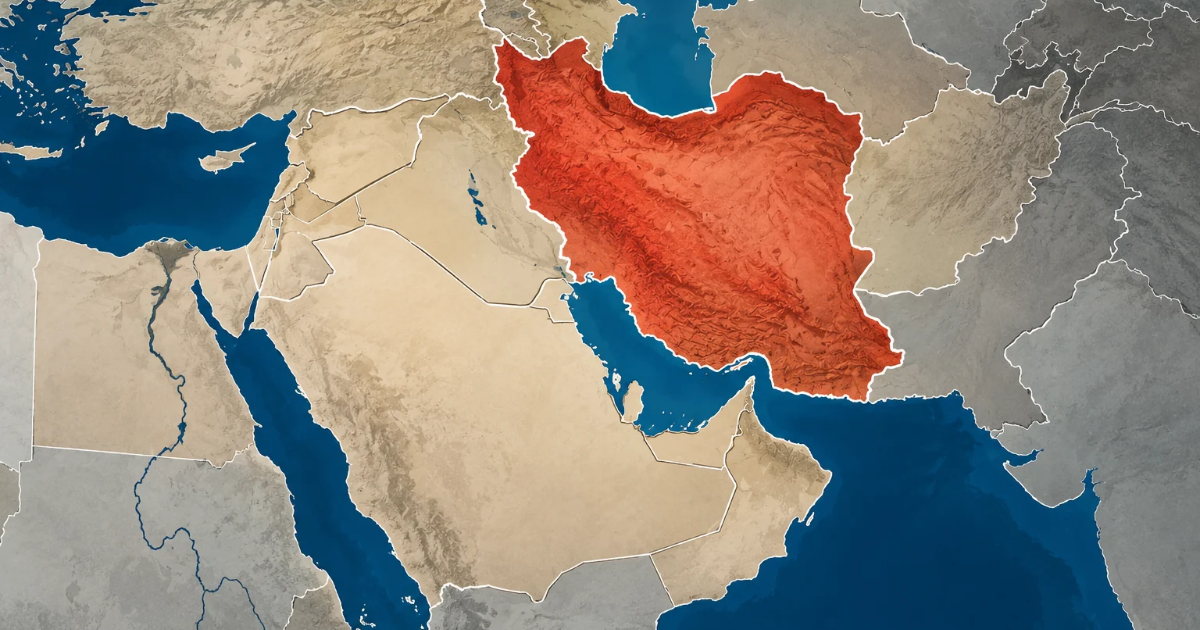
WASHINGTON, October 27, 2026 — The United States has warned several Gulf Arab countries to prepare for a possible short but intense military campaign against Iran following the November 3 congressional elections, according to a new report by The Wall Street Journal.
The warning comes as American forces strengthen their military presence in the Middle East, replenish ammunition supplies, and prepare additional aircraft and naval assets for potential operations.
President Donald Trump is reportedly leaning toward renewed military strikes against Iranian infrastructure and nuclear facilities. However, no final decision has been made, and diplomatic efforts to reach an agreement with Tehran are continuing.
U.S. Military Prepares for Possible New Strikes
According to The Wall Street Journal, the Pentagon is reinforcing missile defense systems, replenishing weapons stockpiles, and preparing bombers, fighter jets, warships, and additional military personnel for potential operations.
The preparations also include relocating vulnerable American troops to reduce the risk of casualties if Iran retaliates.
U.S. officials have reportedly informed several Gulf governments that a renewed campaign could be relatively brief but involve intense strikes against strategically important targets.
Israel is also developing plans for possible renewed attacks on Iranian facilities.
The preparations follow earlier U.S. and Israeli strikes that significantly damaged Iran’s nuclear infrastructure.
However, international inspectors have been unable to fully assess the condition of some damaged nuclear facilities or verify the status of all Iranian nuclear material.
Why Are the November Elections Important?
The timing of a possible military campaign has attracted attention because the United States will hold congressional midterm elections on November 3.
Trump has previously indicated that he expects major developments involving Iran after the elections.
In September, The Wall Street Journal reported that the president had rejected an Iranian ceasefire proposal and told advisers he expected renewed military operations after the midterms.
The latest report suggests that military preparations have continued while Washington maintains economic pressure on Tehran.
However, there has been no official announcement establishing a date for new strikes.
Iran Warns of Wider Regional Retaliation
Iran has warned that renewed American or Israeli attacks could trigger a broader military response across the Middle East.
Tehran retains substantial missile capabilities and has reportedly been rebuilding its military arsenal despite damage sustained during previous strikes.
Iranian officials have warned that additional attacks could lead to strikes against regional economic infrastructure and other targets.
Such retaliation could place Gulf countries in a difficult position, particularly those hosting American military forces or operating critical energy facilities.
Regional governments have expressed concerns about the possibility of a wider conflict that could threaten civilian populations, energy exports, and international shipping.
Nuclear Dispute Remains Unresolved
The dispute over Iran’s nuclear program remains central to tensions between Washington and Tehran.
The Trump administration has demanded restrictions on Iran’s nuclear activities, while Iranian authorities have resisted conditions they consider unacceptable.
The International Atomic Energy Agency has reported difficulties accessing damaged nuclear facilities, limiting its ability to verify the status of nuclear material.
Although previous military operations damaged important Iranian installations, questions remain about the country’s remaining nuclear capabilities.
Analysts warn that another round of strikes might not necessarily force Iran to accept Washington’s demands and could instead intensify the conflict.
Oil Markets and Global Economic Risks
A renewed military campaign could have consequences extending well beyond the Middle East.
The Persian Gulf is one of the world’s most important energy-producing regions, while the Strait of Hormuz is a critical route for international oil and gas shipments.
The continuing conflict and U.S. naval blockade have already disrupted shipping and placed pressure on global energy markets.
Further military escalation could increase uncertainty surrounding oil supplies, transportation costs, and fuel prices.
For American consumers, including residents of New Jersey, additional instability in energy markets could translate into higher gasoline and transportation costs.
Diplomacy Remains an Option
Despite the military preparations, diplomatic negotiations have not been ruled out.
Regional mediators are continuing efforts to find a solution that could reduce tensions and address disagreements over Iran’s nuclear program, economic sanctions, and maritime security.
However, major differences remain between Washington and Tehran, particularly over the conditions necessary for a ceasefire and a broader political agreement.
The Wall Street Journal reports that Trump has not made a final decision on launching another military campaign.
What Happens Next?
With the November 3 midterm elections approaching, attention is turning to whether Washington will pursue renewed negotiations or authorize additional military operations.
The United States and Israel are preparing for possible strikes, while Iran is strengthening its defenses and warning of retaliation.
Gulf governments, meanwhile, face growing uncertainty about the security and economic consequences of another confrontation.
For now, the central development is that the United States is preparing for the possibility of renewed military action against Iran after the elections, but a new attack has not been officially authorized or announced.
Sources: The Wall Street Journal, October 27, 2026; Reuters, October 20, 2026; International Atomic Energy Agency.
By NJ RADAR Team