


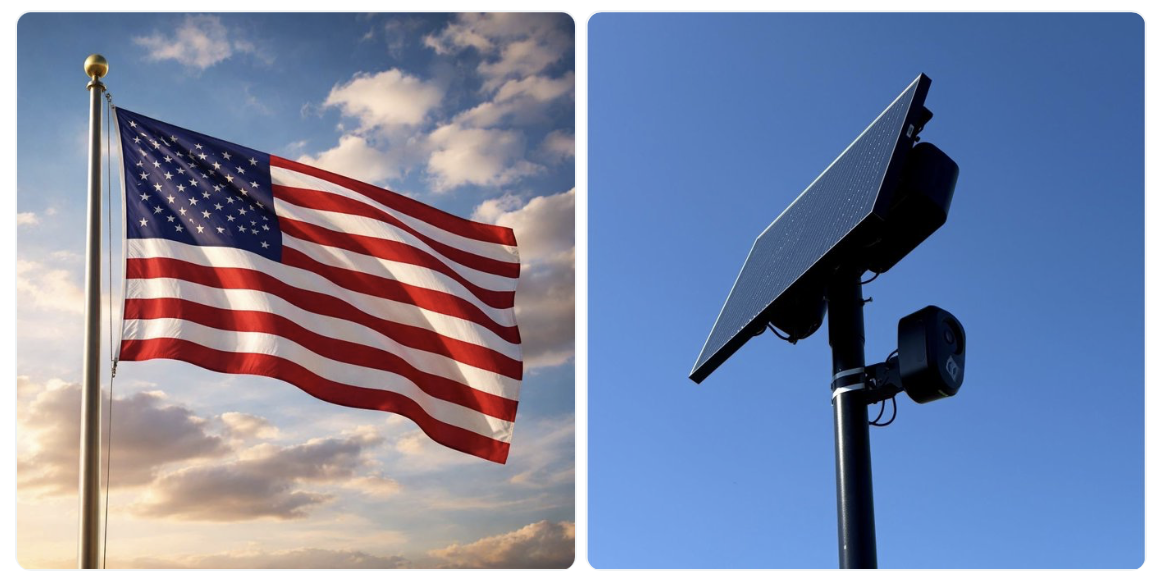
U.S. cities are ending Flock Safety contracts at a record pace, with more than 90 jurisdictions dropping the surveillance system in August alone. Growing concerns include privacy, data sharing and potential misuse of automated license plate readers, even as Flock says new partnerships still far outnumber cancellations.
Cities and counties across the United States are ending contracts with Flock Safety at a record pace as concerns grow over privacy, data sharing and reports of misuse of the company’s automated license plate reader system.
New data compiled by Secure Justice, an Oakland-based anti-surveillance advocacy group, shows that 214 cities and counties have dropped Flock since 2021. The pace accelerated sharply this month, with more than 90 jurisdictions ending their relationship with the company in August 2026 alone.
That represents roughly a fourfold increase compared with July and amounts to an average of about three local governments per day halting or ending Flock contracts during the month.
Flock Safety operates networks of automated license plate reader cameras, commonly known as ALPRs. The cameras record passing vehicles and can capture information including license plate numbers, vehicle make, model and color. Police departments can then search the database during investigations.
Supporters say the technology has helped locate stolen vehicles, identify suspects and find missing people.
But criticism has intensified as communities learn more about how widely the data can be shared and how the systems can potentially be misused.
Several recent cases involving police officers accused of using license plate databases for personal reasons have increased scrutiny. In Arizona, Tempe turned off all 33 of its Flock cameras this week and announced it would end its contract entirely, even though the city said its own audits had not found misuse by Tempe officers. Mayor Corey Woods said the risk of misuse was too great and that public safety technology must maintain community trust.
Other communities, including Cave Creek, Arizona; Bellingham, Massachusetts; Hartford, Kentucky; and Asheville, North Carolina, have also moved to terminate, reject or decline to renew Flock contracts this month.
Concerns have also focused on the enormous reach of Flock’s data-sharing network. A recent investigation found that the police department in Alpharetta, Georgia, was sharing Flock data with more than 2,000 organizations, while receiving access to information from more than 1,300 others.
The backlash has increasingly crossed political lines. Republican and Democratic lawmakers have both raised questions about whether the technology allows government agencies to track ordinary people without adequate oversight.
Flock has responded by announcing changes aimed at strengthening privacy protections, including shorter default data-retention periods and stricter rules governing how searches can be conducted.
The company disputes suggestions that cities are abandoning its technology broadly. A Flock spokesperson told Ars Technica that in 2026, new municipal partnerships have outpaced nonrenewals by approximately 10 to one.
Still, the rapid increase in cancellations during August shows that the national debate over automated surveillance is entering a new phase.
For communities that once viewed license plate readers primarily as crime-fighting tools, the question is increasingly becoming whether the benefits justify creating a searchable record of where thousands of ordinary drivers travel every day.
Sources: Ars Technica; Secure Justice; Institute for Justice; AZFamily
By NJ RADAR Team