


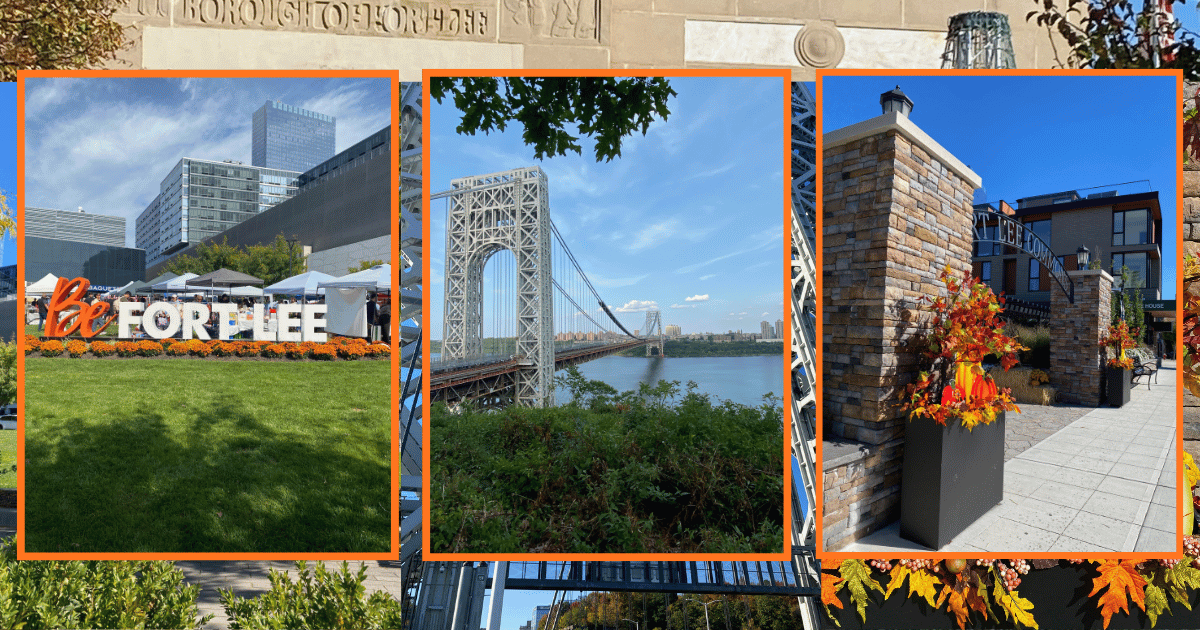
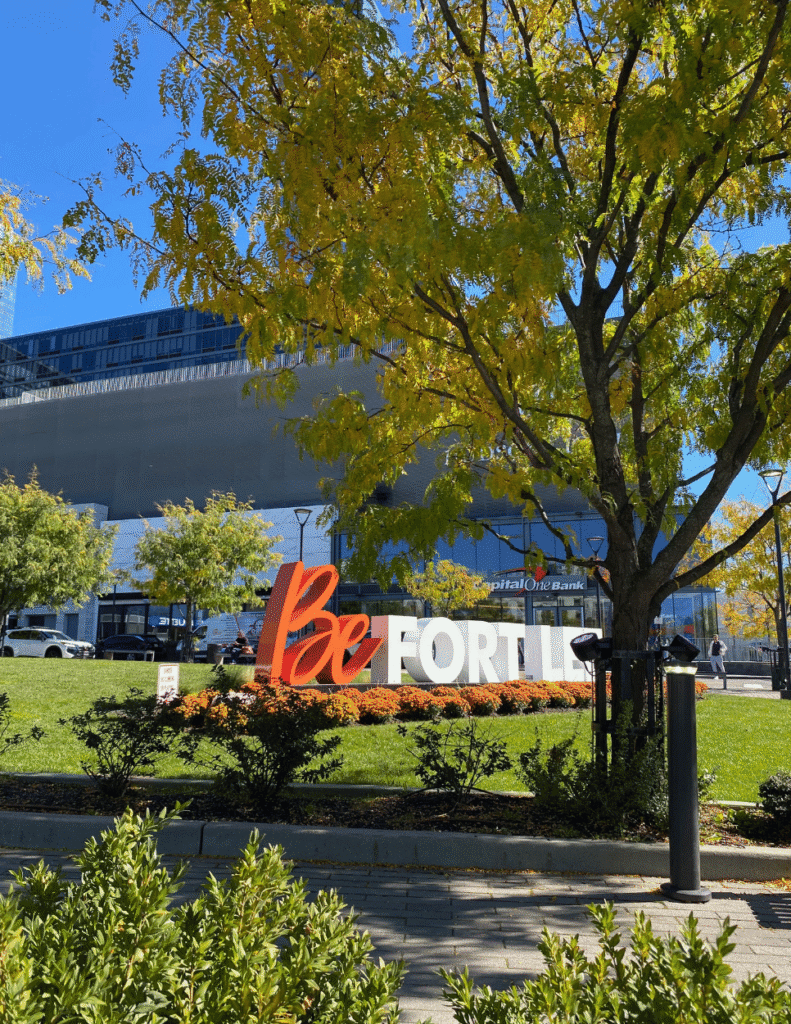
FORT LEE, NJ — Fort Lee has been named one of the 50 Best Small Cities in America, ranking No. 20 on Livability’s inaugural 2026 list and earning national recognition for its schools, cultural diversity, historic landmarks and proximity to New York City.
The Bergen County borough received a LivScore of 778, with its strongest performance in amenities, education and healthcare. Neighboring Bergenfield ranked No. 15, making the two Bergen County communities the only New Jersey municipalities included in the national top 50.
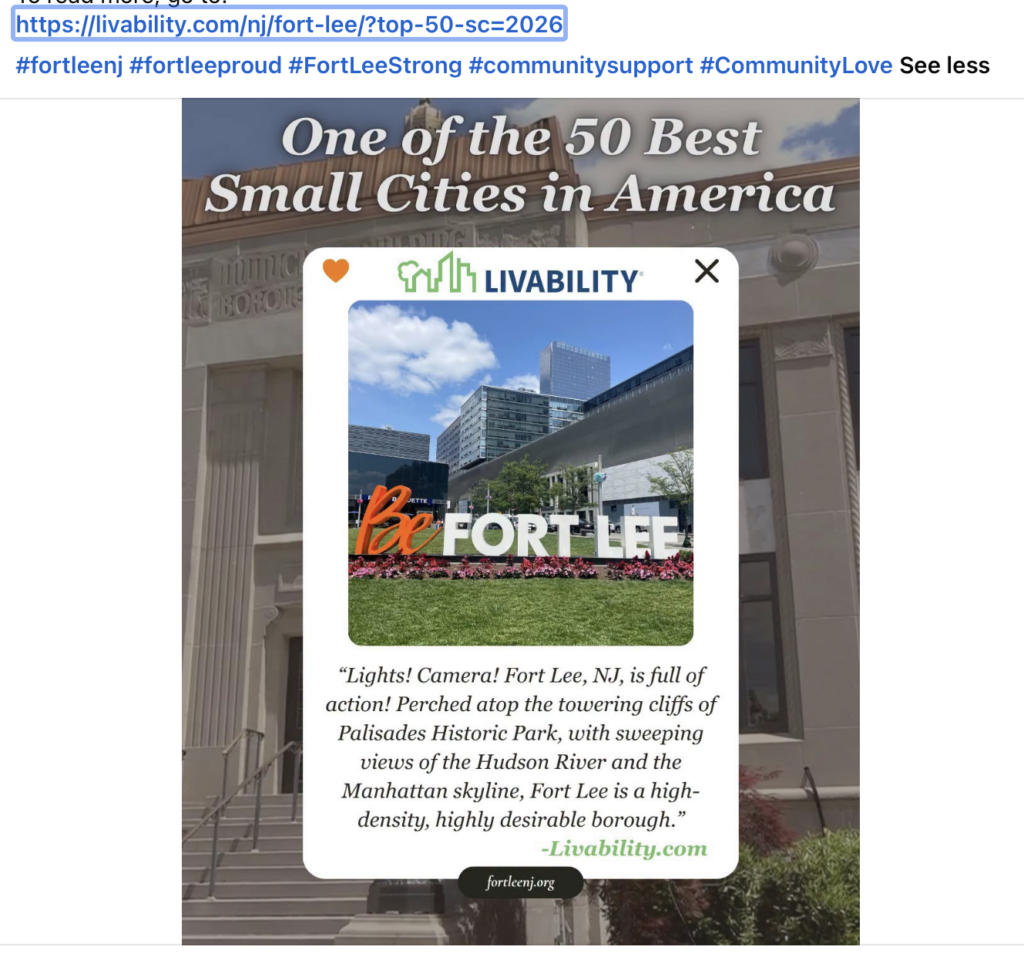
Livability released the rankings on November 11 after evaluating more than 2,000 communities with populations between 15,000 and 75,000. The assessment considered nearly 100 data points, including housing, cost of living, education, transportation, healthcare, safety and access to local amenities.
In its profile of Fort Lee, Livability highlighted five reasons the borough stands out: its role in American film history, educational opportunities, international restaurant scene, historic parks and direct connection to New York City.
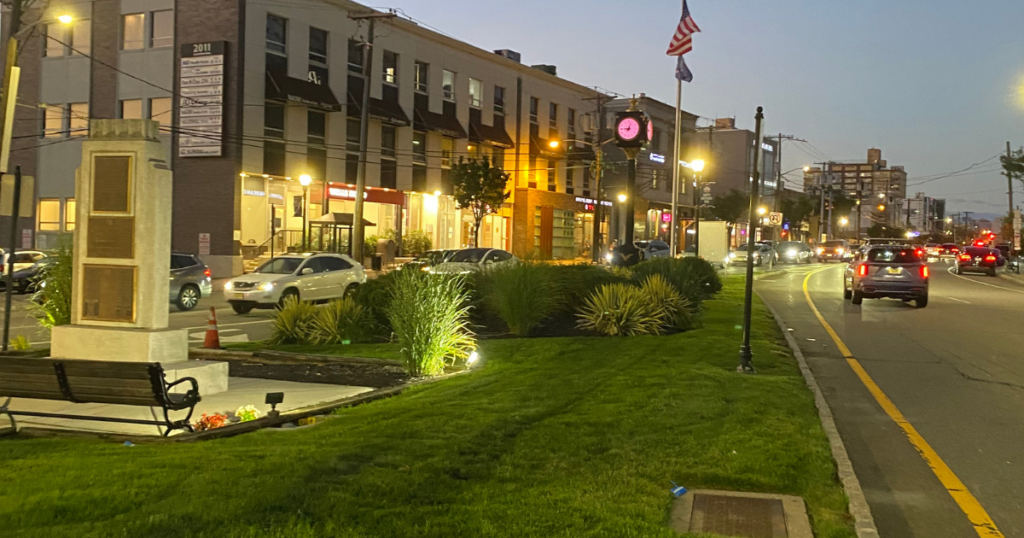
The Birthplace of America’s Early Film Industry
Long before Hollywood became the center of American filmmaking, Fort Lee was one of the country’s leading movie production hubs.
In 1909, the Champion Film Company established a permanent studio in Fort Lee. By 1918, major film companies, including Universal, Fox, Goldwyn and Solax, had operated in the area. Solax was particularly notable for being founded by Alice Guy Blaché, one of cinema’s pioneering female filmmakers.
Fort Lee’s landscapes, proximity to New York City and growing film industry helped transform the borough into an important center of early American cinema.
That legacy is preserved today through the Barrymore Film Center on Park Avenue, a modern cultural institution featuring a 260 seat cinema, historical exhibits, classic film screenings and independent productions.
The borough’s film history is also celebrated through local museums, cultural events and preservation efforts.
Livability noted that Fort Lee’s economy has evolved far beyond its early filmmaking roots. Commercial centers, financial services, healthcare businesses and other industries now contribute to the local economy.
Strong Schools and Educational Opportunities
Education is another major reason Fort Lee earned recognition.
The Fort Lee Public School District serves a diverse student population and offers academic programs that include science, technology, engineering and mathematics, language education and college preparation.
Families also benefit from access to Bergen County’s specialized magnet high schools, which provide additional opportunities for students pursuing advanced academic and career interests.
Livability identified education as one of Fort Lee’s strongest areas, emphasizing the importance of educational opportunities for families considering where to live.
International Dining and a Diverse Community
Fort Lee’s restaurant scene reflects the borough’s international population and cultural character.
Main Street, Lemoine Avenue and surrounding neighborhoods offer a wide selection of Korean, Japanese, Italian and other international cuisines, alongside cafés, bakeries and specialty food businesses.
Livability specifically highlighted the borough’s Korean barbecue restaurants, traditional Korean soft tofu stew establishments and Japanese ramen shops.
Among the restaurants mentioned in its profile were Prime & Beyond, So Kong Dong and Menya Sandaime.

The Shops at Hudson Lights adds another dimension to the local commercial scene, combining shopping, dining, entertainment and modern residential development.
For residents, this international variety means that many dining and shopping options are available within the borough itself, without the need to travel into Manhattan.
Revolutionary War History, Parks and Hudson River Views
Fort Lee’s natural setting and historic landmarks are among its most distinctive assets.
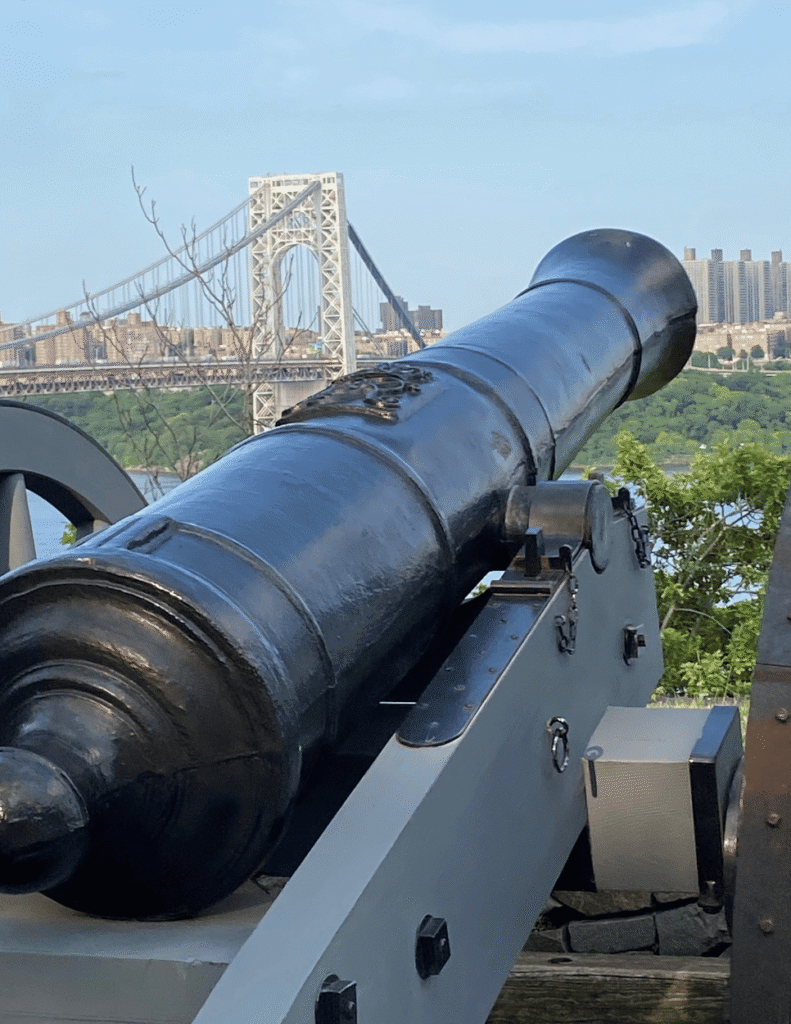
Located along the Palisades above the Hudson River, Fort Lee Historic Park preserves the site of an important chapter in the American Revolution.
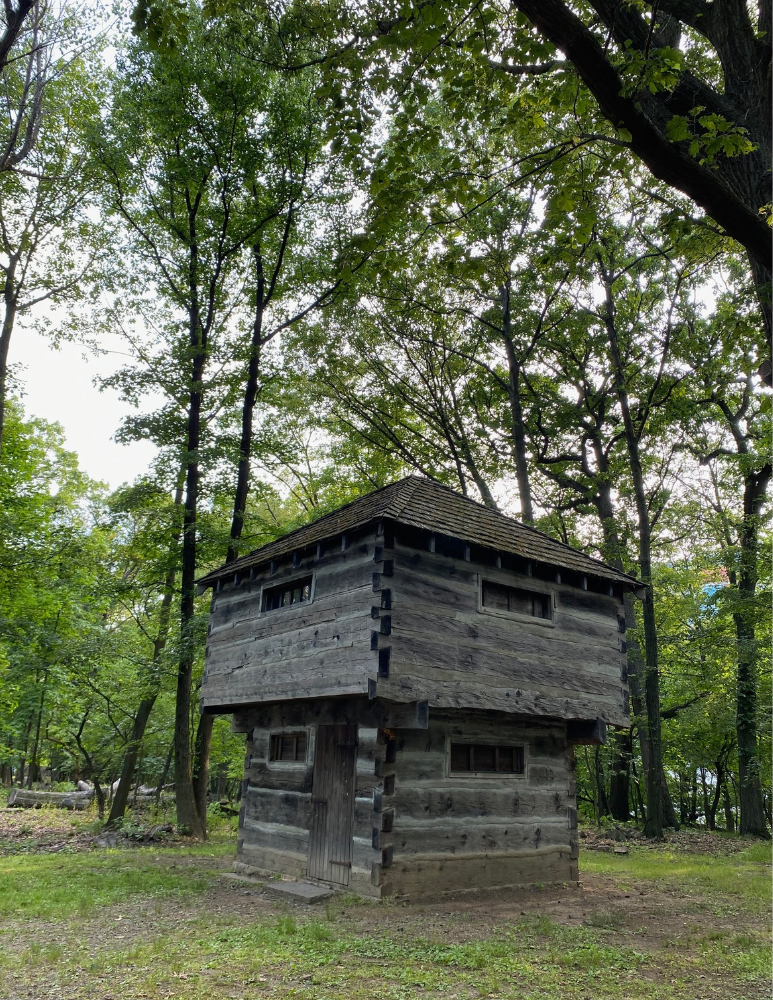
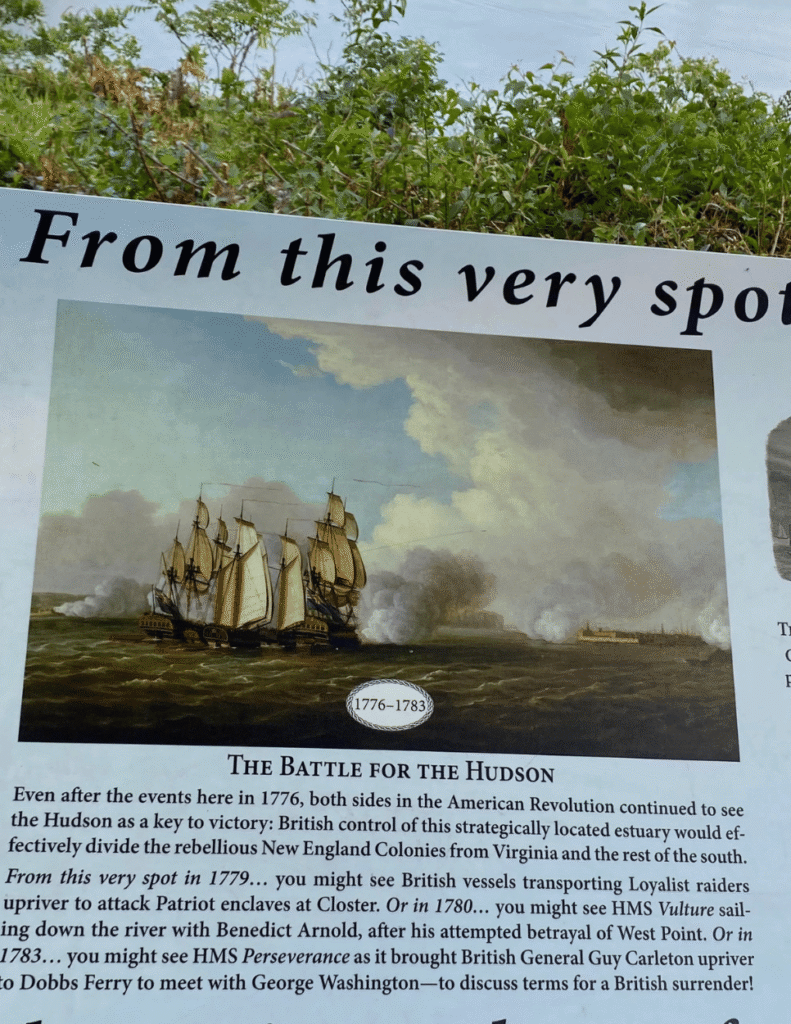
In 1776, Continental Army forces occupied defensive positions overlooking the river as part of an effort to prevent British forces from controlling this strategic waterway.
Following the fall of Fort Washington across the Hudson, General George Washington’s troops were forced to abandon Fort Lee and retreat across New Jersey in November 1776.
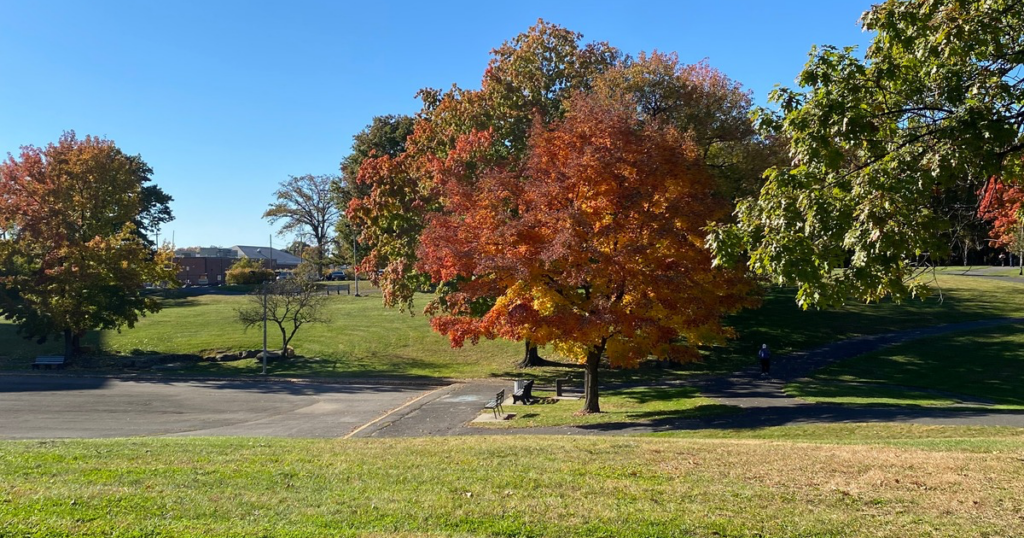
Today, the 33 acre historic park features reconstructed military positions, soldiers’ huts, a visitor center and panoramic views of the Hudson River, the George Washington Bridge and the Manhattan skyline.
Nearby Palisades Interstate Park offers hiking trails, wooded cliffs, scenic overlooks and access to the waterfront, including the Ross Dock Picnic Area.
The borough also offers playgrounds, recreational facilities and local parks that serve residents throughout the year.
Livability included these outdoor and historic attractions among the primary reasons Fort Lee appeals to people seeking both urban convenience and opportunities to enjoy nature.
The George Washington Bridge and Direct Access to New York City
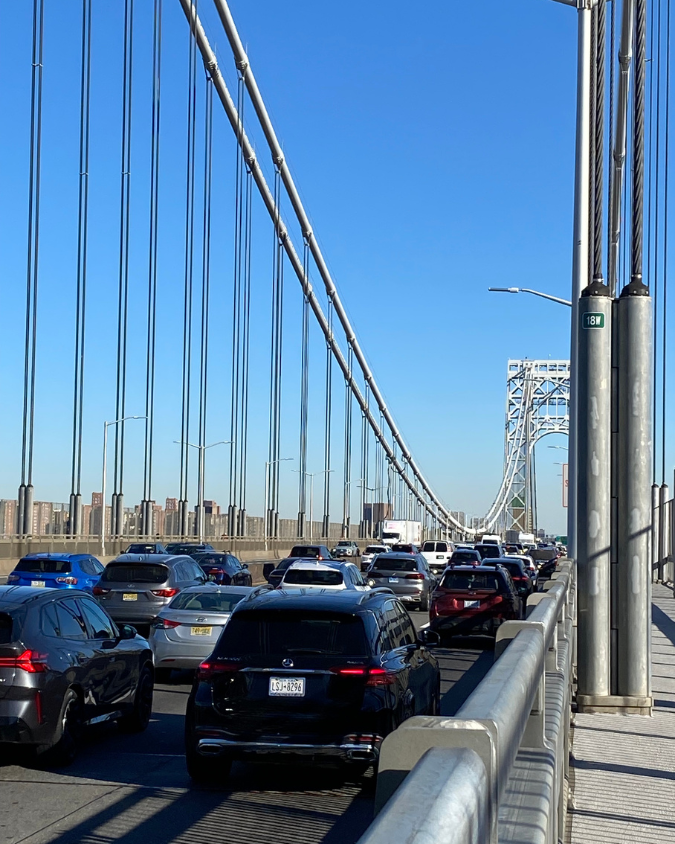
Perhaps Fort Lee’s most recognizable landmark is the George Washington Bridge, which connects the borough directly to Washington Heights in Upper Manhattan.
Opened in 1931, the bridge has become one of the most important transportation crossings in the United States.
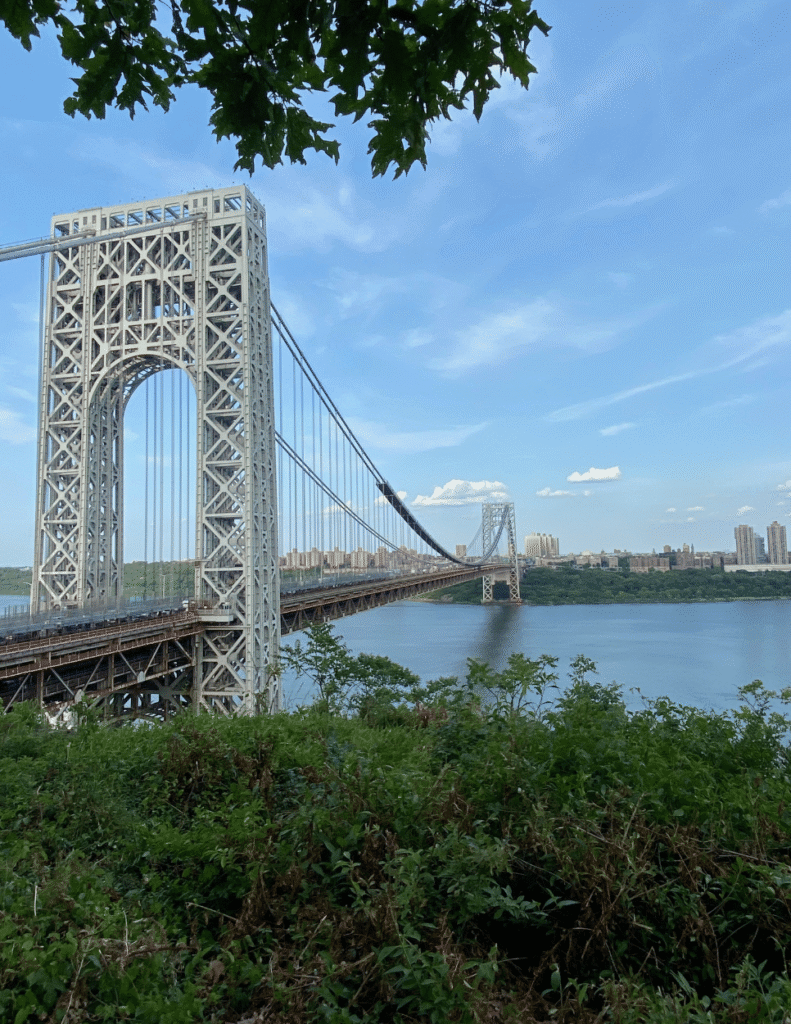
The Port Authority of New York and New Jersey describes it as the world’s busiest vehicular bridge, carrying commuters, commercial traffic and travelers between New Jersey and New York.
Fort Lee residents have access to NJ Transit bus services connecting to the George Washington Bridge Bus Station in Manhattan, where passengers can transfer to New York City’s subway network.
The bridge also provides pedestrian and cycling connections, offering an alternative way to travel between the two states.
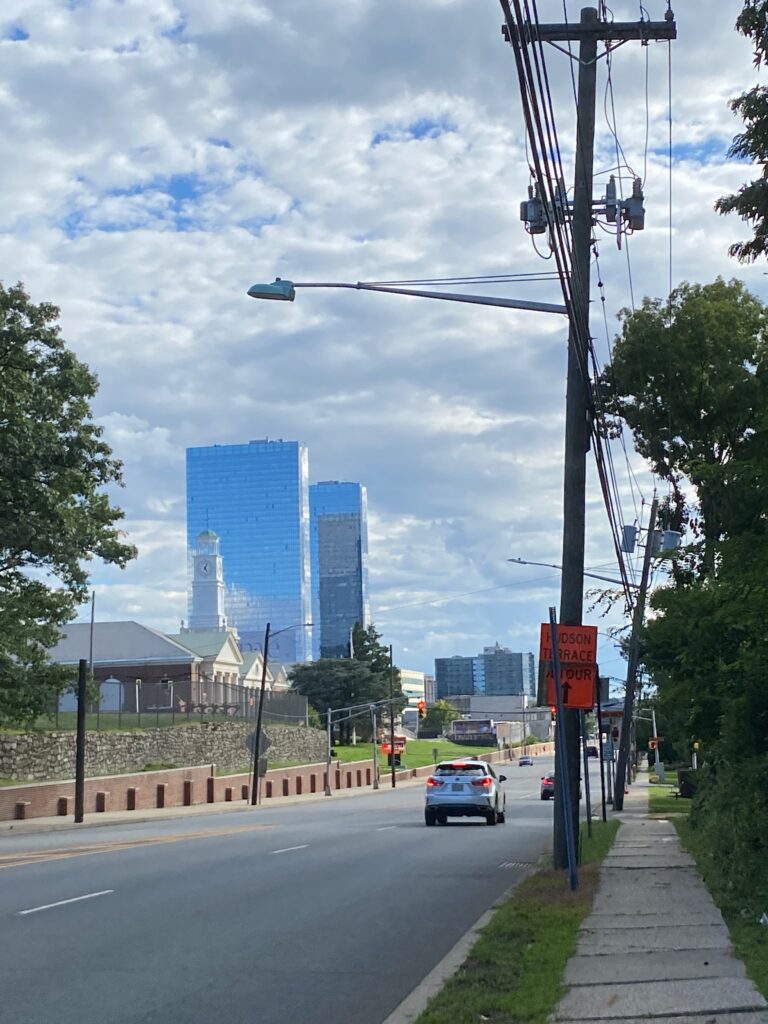
In October 2026, the Port Authority reopened the renovated South Walk for pedestrians, while cyclists continued using the North Walk. Improvements on the New Jersey side included upgraded access near Hudson Terrace and Fort Lee Historic Park.
Fort Lee’s location also provides access to major regional highways, transportation services and airports throughout the New York metropolitan area.
While commute times vary considerably with traffic and transit conditions, the borough’s location immediately across the Hudson River remains one of its major advantages.
A Small Borough With an Extraordinary History
Fort Lee’s place among America’s 50 Best Small Cities reflects a combination of features that extends beyond its location near New York City.
Few communities of comparable size can claim such a prominent role in both the American Revolution and the early motion picture industry while also offering direct access to one of the world’s largest metropolitan centers.
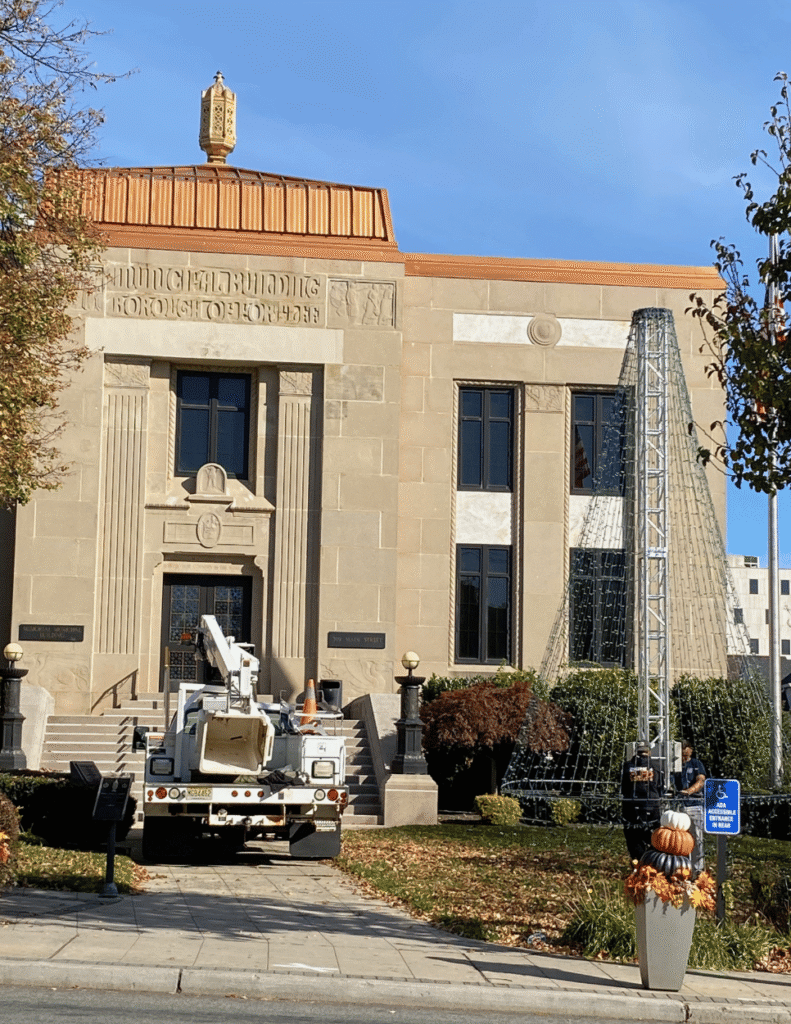
Its schools, international dining scene, historic parks, cultural institutions and transportation infrastructure contribute to the quality of life recognized by Livability.
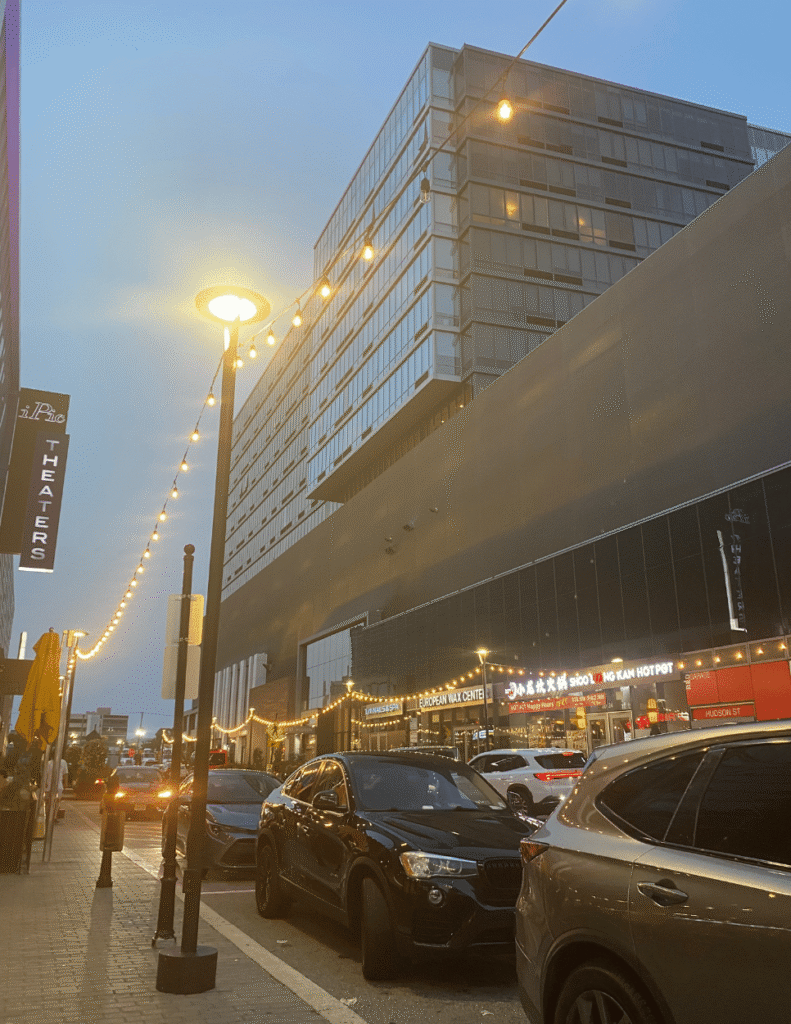
The ranking also highlights Bergen County’s strong representation, with both Fort Lee and Bergenfield earning places among the country’s top 20 small cities.
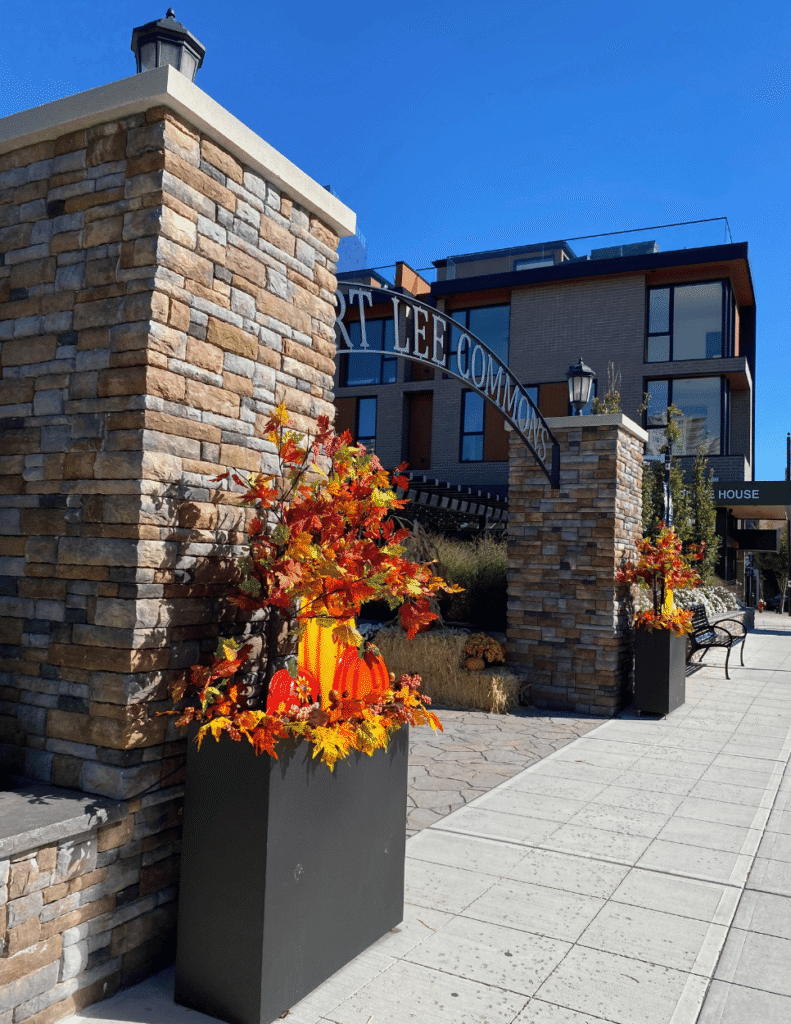
For Fort Lee, the No. 20 ranking represents national recognition of a borough where more than two centuries of American history coexist with modern residential neighborhoods, international businesses and the everyday conveniences of metropolitan life.
Sources: Fort Lee Today; Livability.com, 2026 Best Small Cities in America; Borough of Fort Lee; Port Authority of New York and New Jersey; NJ Transit; Palisades Interstate Park Commission; Fort Lee Office of Culture and Heritage Affairs; Barrymore Film Center
Aziza Smailovic