


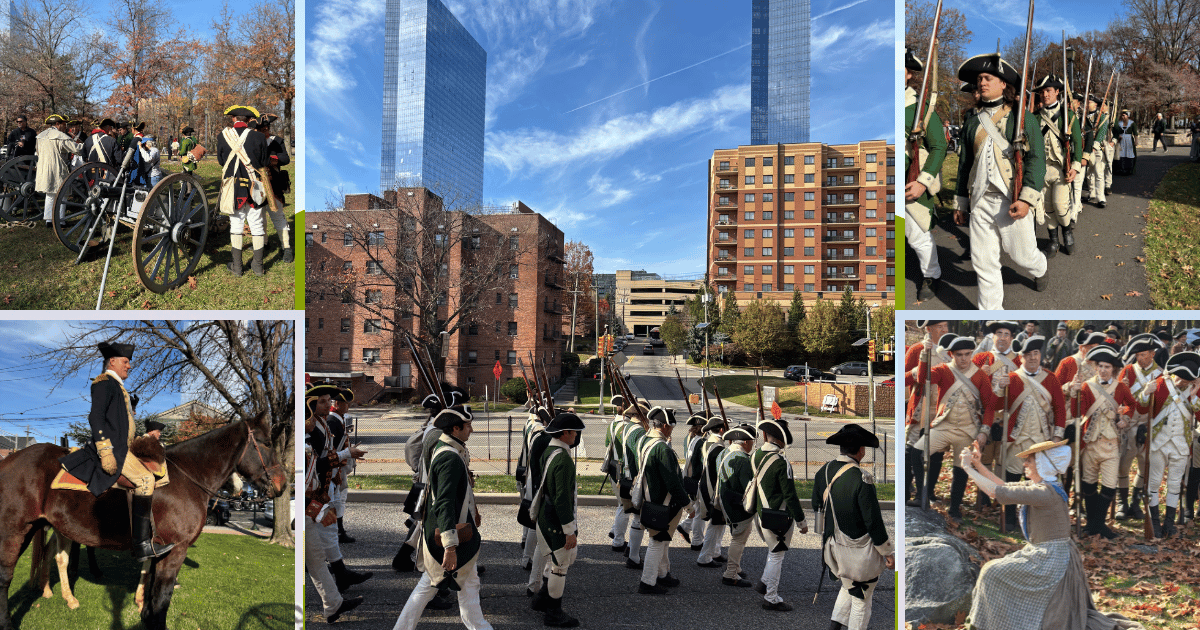
Soldiers in 18th-century uniforms, horseback riders, military music, and a ceremonial march through Fort Lee brought the American Revolution to life. Historical demonstrations at Fort Lee Historic Park offered visitors a glimpse of life 250 years ago, while ceremonial musket volleys marked the closing celebration at Monument Park.
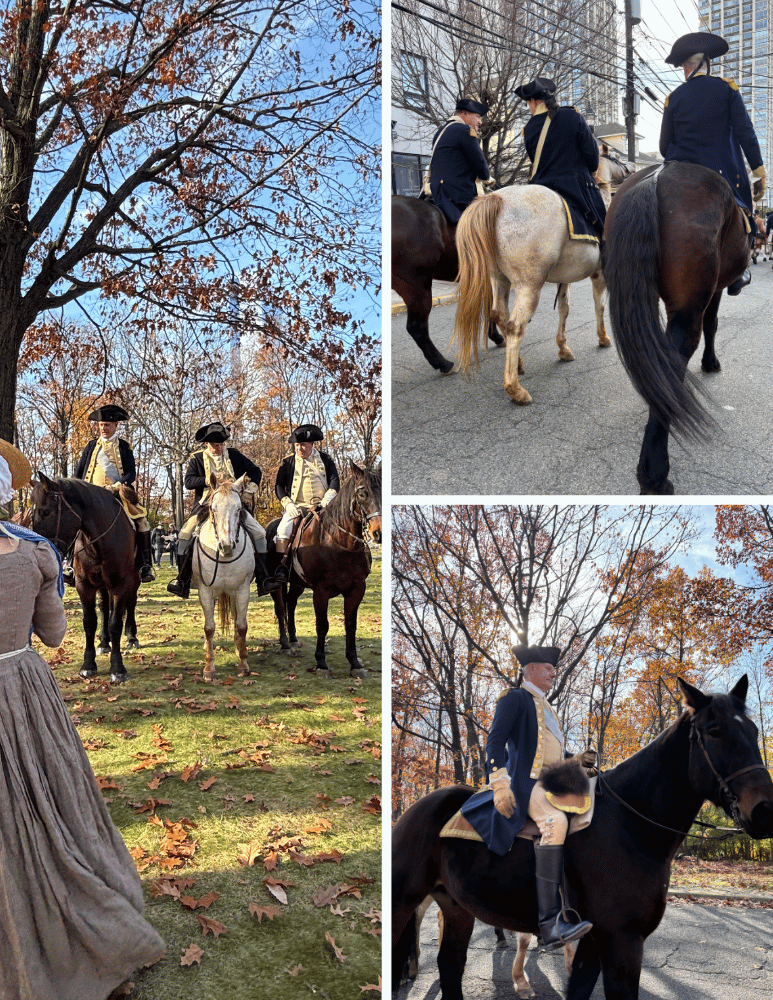
FORT LEE, NJ, November 21, 2026 — For a few hours on Saturday, Fort Lee stepped back 250 years in time. Soldiers in 18th-century uniforms, men on horseback, and women in period clothing gathered on the same grounds where George Washington’s troops once stood. Military music filled the air, bringing a remarkable chapter of American history back to life.
Fort Lee Historic Park became an open-air museum, but without the glass display cases or the silence usually associated with historical exhibits. Here, history walked, talked, marched, and answered visitors’ questions.
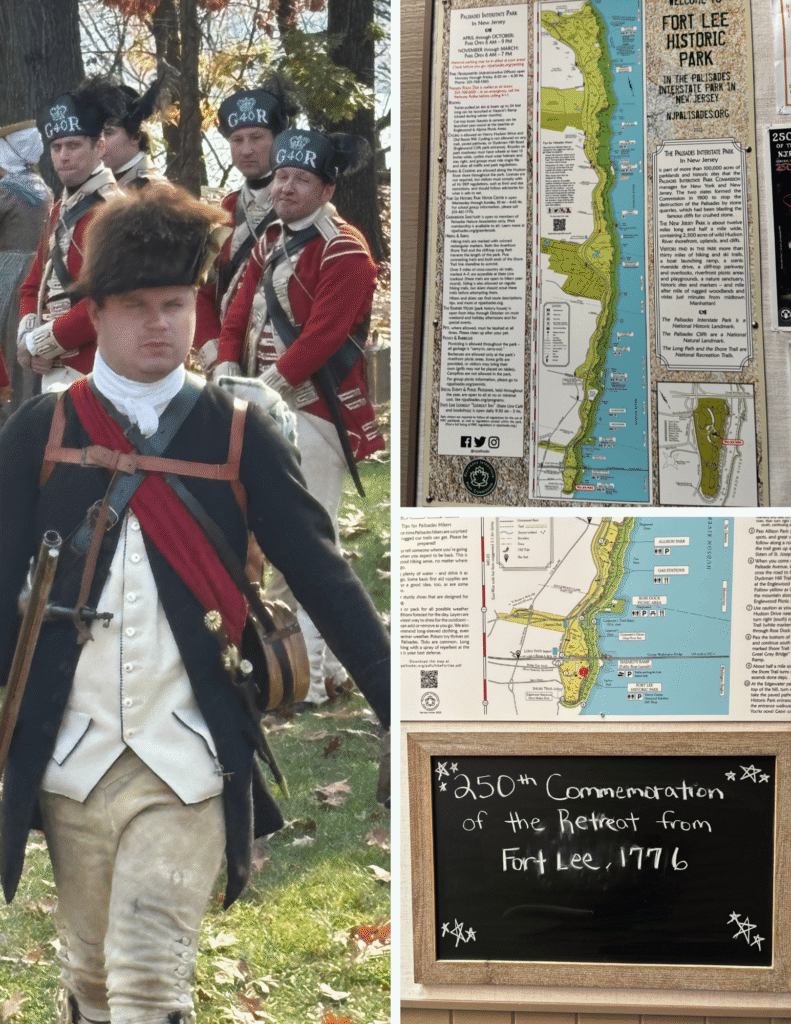
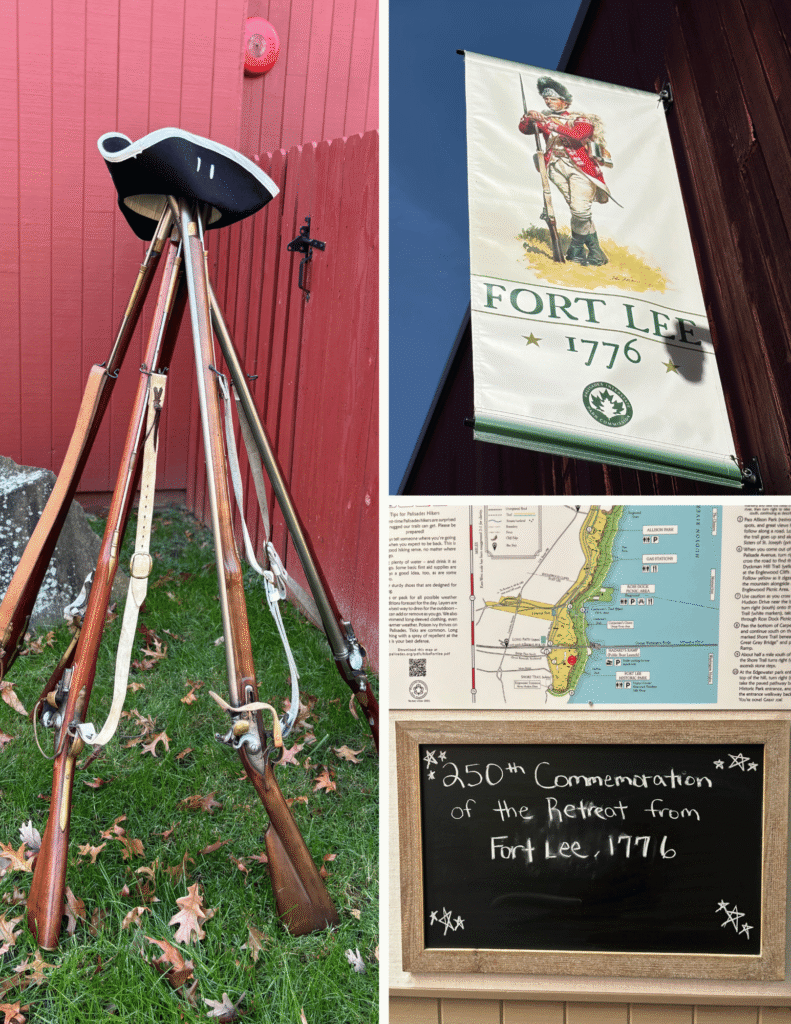
The occasion marked the 250th anniversary of the events of November 1776, when American forces under George Washington were forced to abandon Fort Lee following the British capture of Fort Washington across the Hudson River.
When History Steps Out of the Textbooks
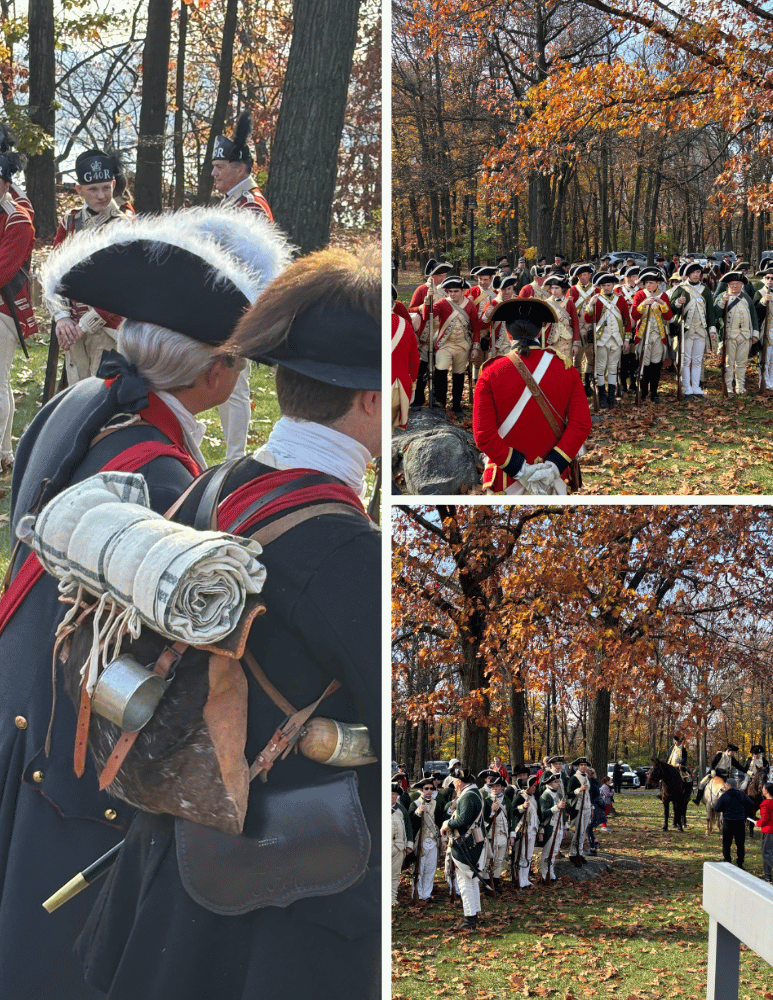
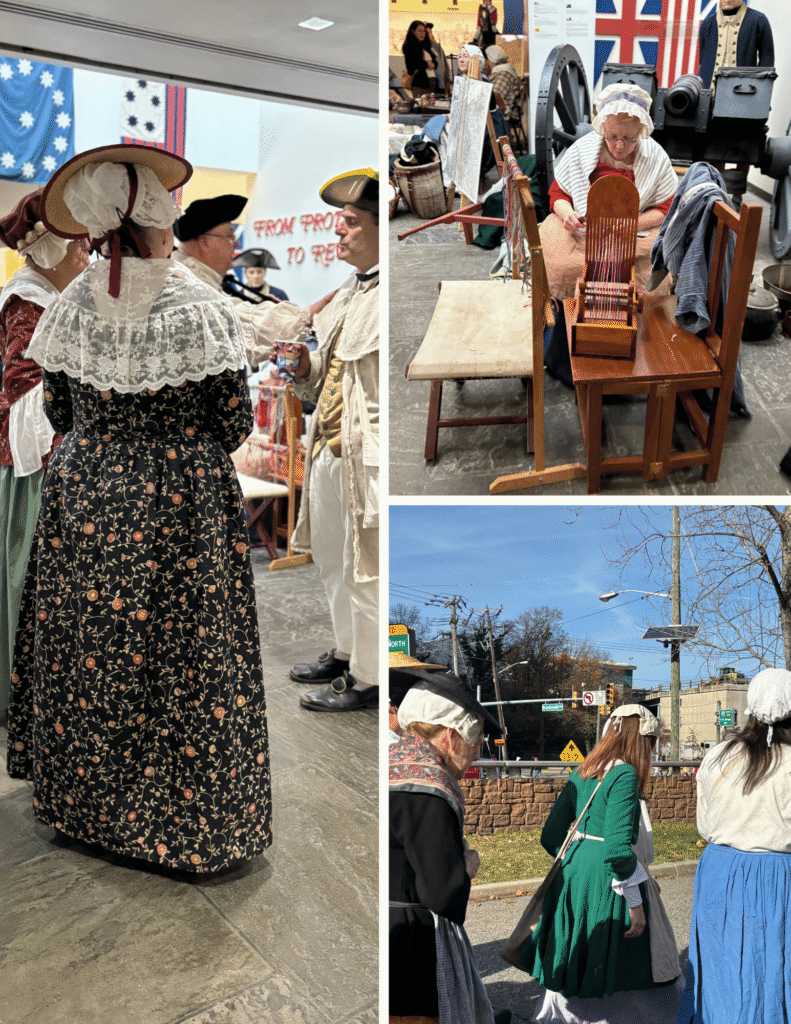
From the morning hours, the park resembled an 18th-century military encampment. Participants gathered in groups, displayed their equipment, spoke with visitors, and demonstrated what daily life was like during the Revolutionary War. Period military music helped recreate the atmosphere of the time.
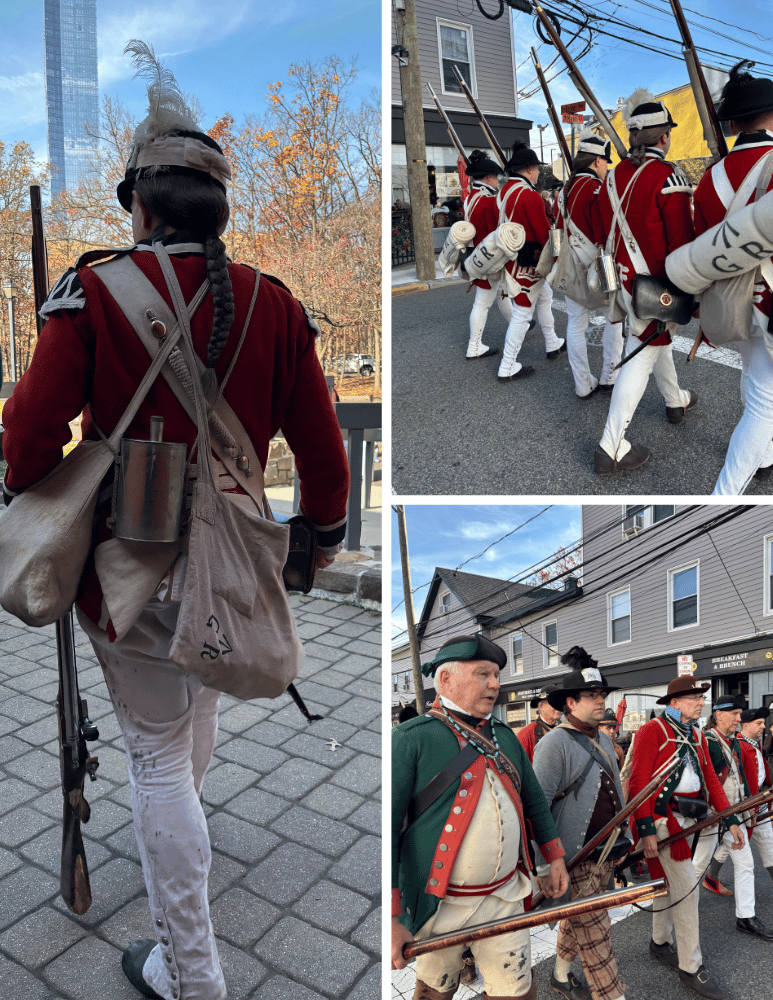
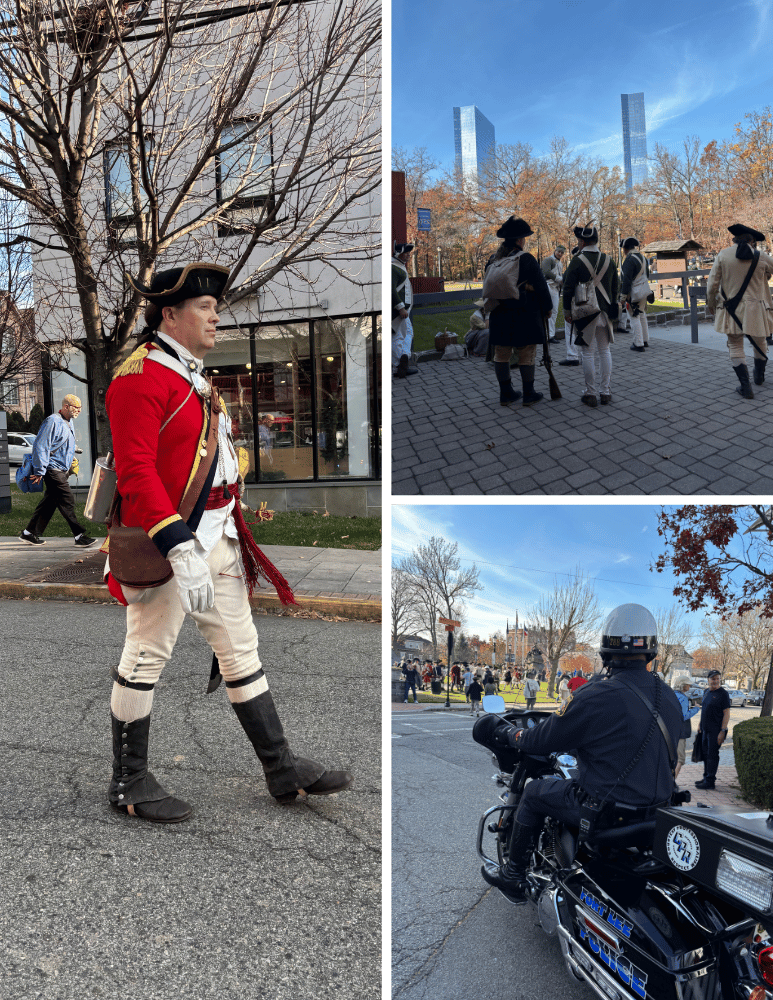
One particularly interesting detail was the variety of clothing worn by the soldiers. Some appeared in green uniforms, others in the familiar red coats of the British army, while many looked almost like ordinary civilians.
One of the reenactors explained why.
During the American Revolution, soldiers did not always wear matching uniforms. Especially in the early years of the war, many went into battle wearing their own clothes because there was not enough money or equipment to outfit everyone.
The result was a scene quite different from the neatly dressed military formations we often see in historical movies.
Women in long dresses and traditional 18th-century clothing were also part of the event, helping visitors understand the daily lives of the people who accompanied armies during the war.
Cannons, Military Equipment, and the Dangers of War
Among the most interesting activities were educational demonstrations featuring weapons from the Revolutionary War.
Visitors had an opportunity to examine cannons up close and learn how they were operated, loaded, and cleaned.
One demonstrator explained how dangerous this work could be. After firing, crews had to carefully clean the inside of the cannon barrel and remove any remaining embers. Otherwise, the next charge could ignite prematurely.
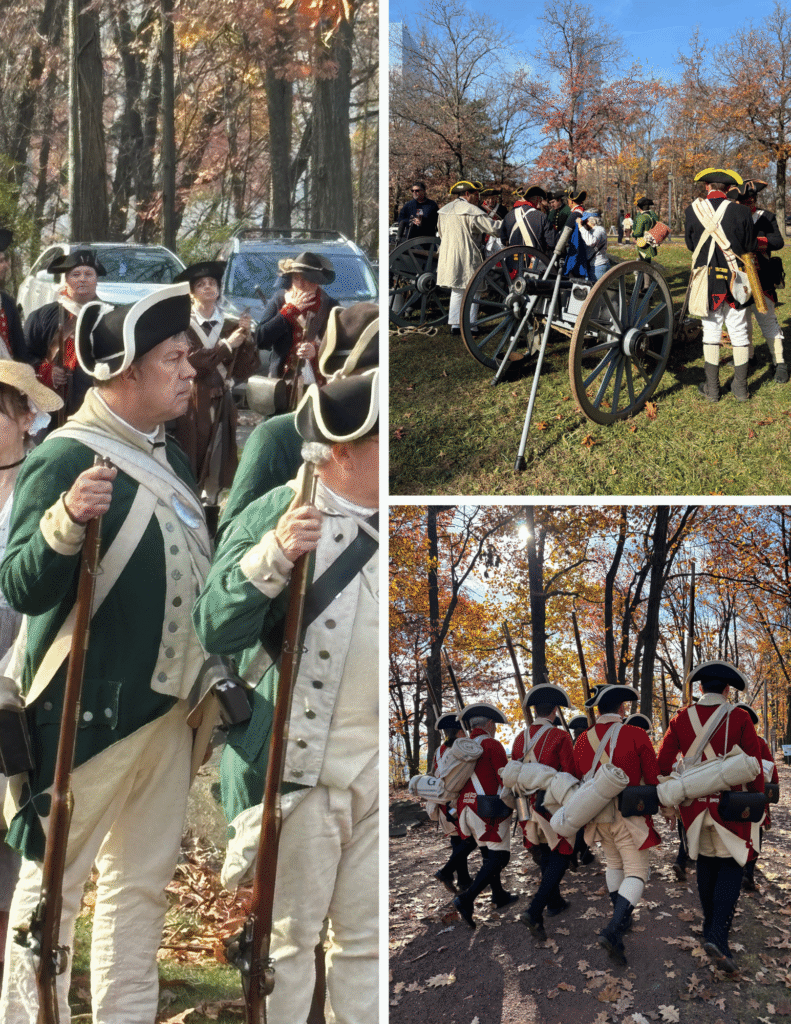
At a time when modern protective equipment did not exist, a single mistake could prove fatal to members of the cannon crew.
There was no cannon firing during these demonstrations. The focus was on explaining how historical weapons worked and the dangers soldiers faced while using them.
Inside a Wooden Guardhouse, History Comes With a Little Humor
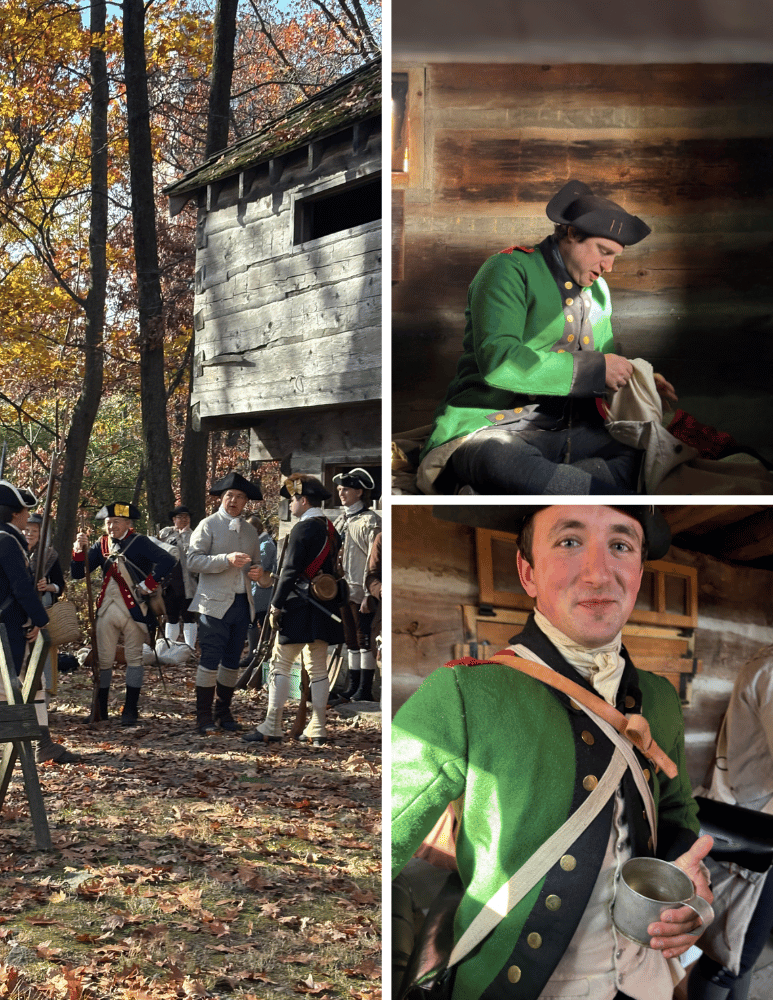
One of the most memorable experiences was visiting a small wooden blockhouse, a structure representing part of the defensive system used during that period.
Several soldiers in different uniforms stood on the ground floor. An extremely steep wooden staircase led to a much smaller upper level.
One soldier warned me to be careful as I started climbing.
“If you fall, I’ll catch you,” he said with a smile.
Upstairs, I met a soldier wearing a green uniform. He immediately explained that he represented a Revolutionary soldier, not a British loyalist, and then described how the building had been used.
Narrow openings in the walls offered views of the surrounding area. They were not simply observation windows. Defenders could also fire through them if the position came under attack.
Looking out from above, it was easy to imagine a soldier standing there 250 years ago, watching the approaches to the fort and wondering whether British troops might appear from behind the trees.
Going down the steep staircase turned out to be almost as challenging as climbing it. Near the bottom, I had to hold on to keep my balance, and the soldier who had warned me earlier stepped forward to help, smiling.
“See? I told you that you might fall,” he joked.
For a brief moment, I had become part of the day’s historical scene myself.
I was also especially interested in the women wearing period costumes. They were everywhere, among the soldiers, inside the museum, and throughout the historical demonstrations.
Watching them made me think about the women who stood beside the revolutionaries 250 years ago. They were mothers, sisters, wives, and young women whose lives were deeply affected by the war.
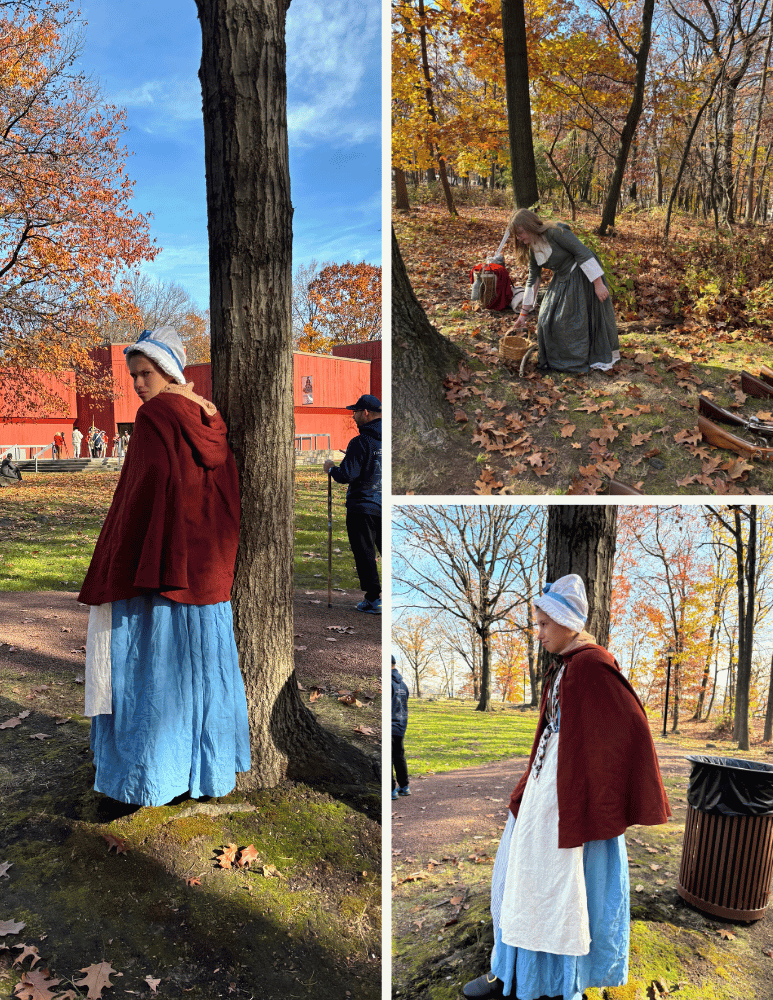
While men fought on the battlefield, many women cared for families, prepared food, treated the wounded, supported military camps, and contributed to the struggle for independence in countless ways.
Their contributions do not always receive the attention given to famous battles and military commanders. Yet the story of the American Revolution would be incomplete without them.
Everyday Life During the Revolution
Inside the museum, visitors discovered another side of the Revolutionary era, the everyday experiences of people who were not carrying weapons.
Women dressed in traditional clothing demonstrated old crafts, including weaving and basket making.
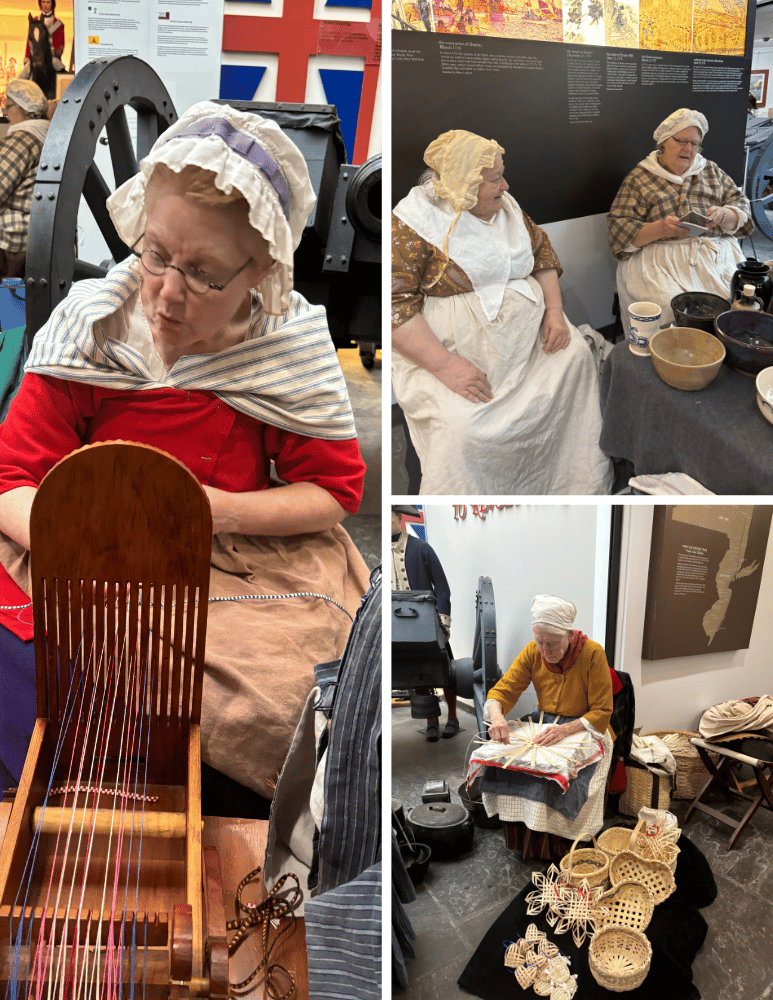
The exhibits featured objects used in homes and military camps, along with replica firearms, historical paintings, flags, and tools.
A large cannon stood prominently in one room, surrounded by artifacts connected to the American Revolution.
These displays offered a reminder that history is not only about battles and generals. It is also about ordinary people who lived, worked, raised families, and struggled to survive during a period of extraordinary change.
From a Revolutionary Encampment to Modern Fort Lee
One of the day’s most striking moments came when the participants left the historic park and began their march toward town.
Palisades Park police officers were present during the event. Later, a motorcycle unit from the Fort Lee Police Department arrived to escort the ceremonial procession.
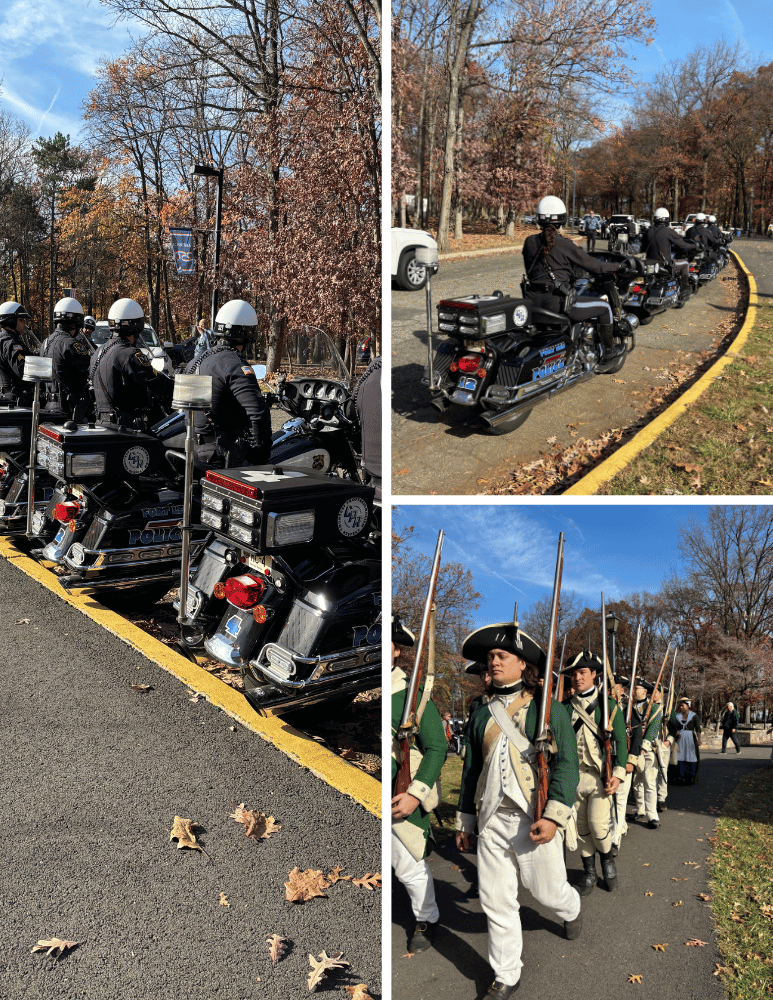
The combination created an unusual scene. Soldiers in 18th-century uniforms, horseback riders, and 21st-century police motorcycles all appeared together, ready to make their way through the streets of Fort Lee.
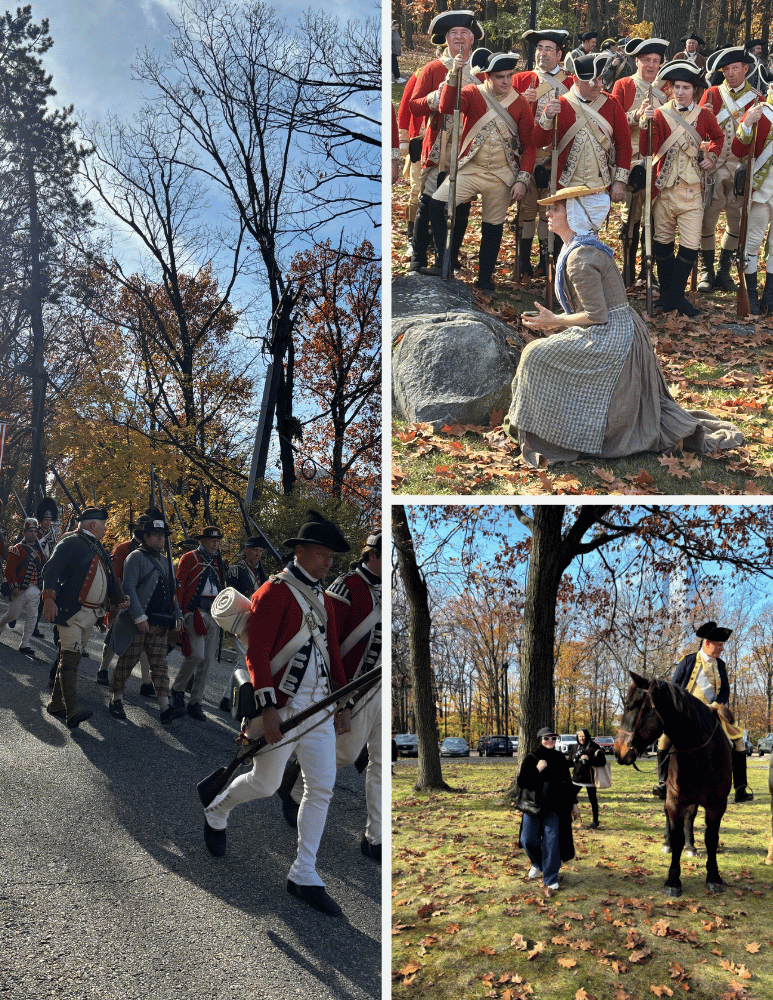
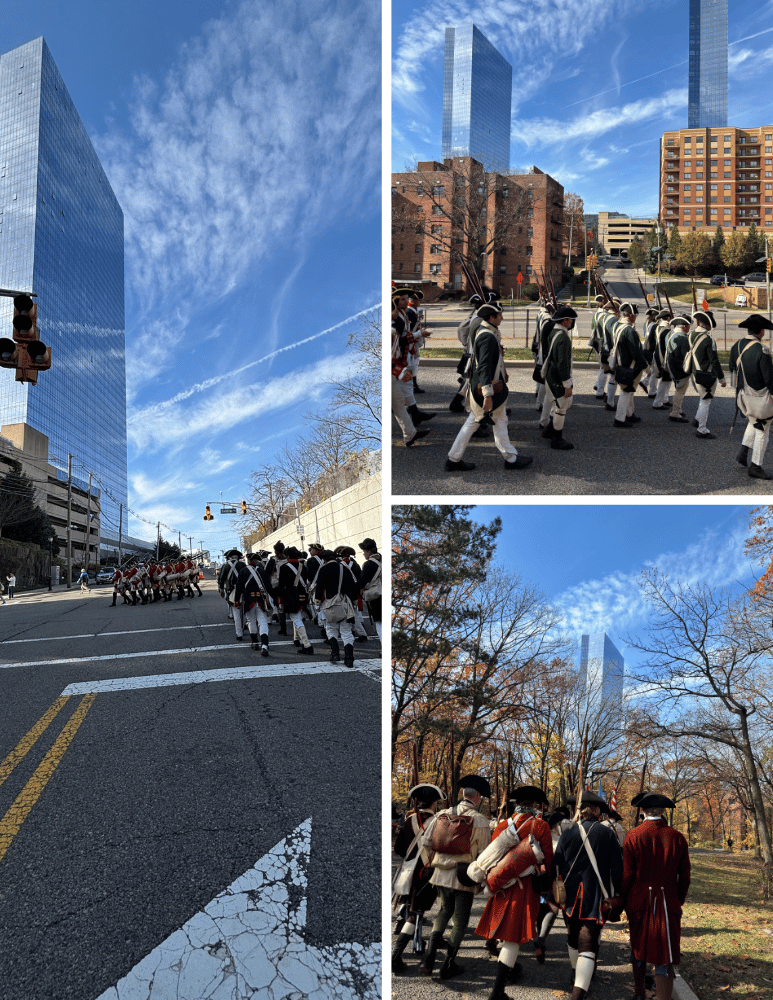
As the procession moved through the wooded surroundings, accompanied by military music and the rhythm of marching feet, the scene felt almost unreal. Soldiers walked in formation, their uniforms moving with every step, while tall trees concealed much of the modern world.
Then, as the procession emerged from the park, two towering apartment buildings came into view.
It felt as though someone had suddenly opened a door between two centuries.
Behind the marching soldiers was the world of 1776. Ahead stood modern Fort Lee, with its high-rise buildings, busy streets, and the George Washington Bridge, one of America’s most important transportation links.
That contrast was one of the most beautiful moments of the day.
A Ceremonial March and Celebration at Monument Park
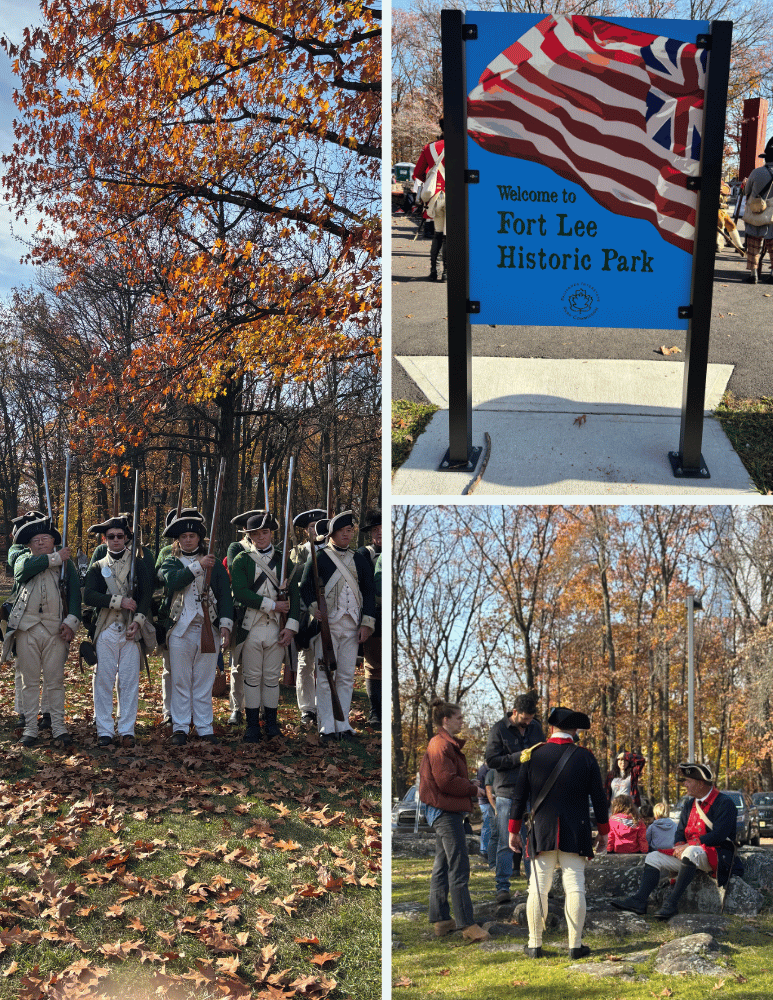
Escorted by police motorcycles, the historical procession continued through Fort Lee to Monument Park, where the anniversary ceremony took place.
The mayor and members of the Borough Council welcomed those gathered and spoke about Fort Lee’s important place in the American struggle for independence.
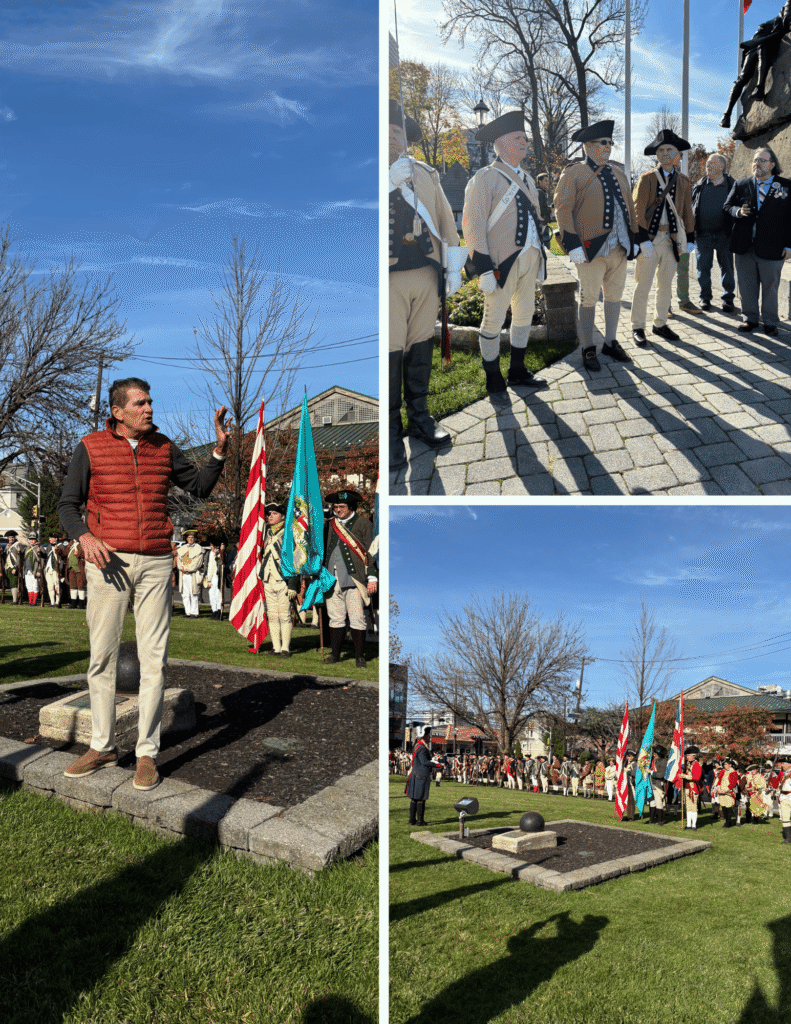
The ceremony was respectful and patriotic, but it also included a few unexpectedly humorous moments.
When the reenactors fired ceremonial volleys from replica muskets, the thick smoke triggered a fire alarm.
And it happened more than once.
Each new volley produced another cloud of smoke, followed by the sound of the alarm, bringing smiles and laughter from the crowd.
For a moment, 18th-century gunfire and modern fire safety technology seemed to be having a rather amusing conversation.
The Retreat That Helped Save the Revolution
Behind the colorful uniforms, horses, and historical demonstrations lies a much more serious story.
In November 1776, the Continental Army was under enormous pressure from British forces. After the fall of Fort Washington in Manhattan, British troops crossed the Hudson River and threatened the American position at Fort Lee.
George Washington was forced to order a rapid retreat across New Jersey.
American soldiers left behind some equipment and supplies to avoid being surrounded and to preserve their army for future battles.
It was one of the most difficult periods of the American Revolution. Yet saving the army allowed Washington to continue the struggle and achieve a crucial victory at Trenton the following month.
The retreat from Fort Lee is therefore remembered not simply as a military setback, but as part of the effort that helped the American Revolution survive.
Two and a Half Centuries Later
Fort Lee looks very different today from the place it was in 1776.
Military encampments have given way to apartment buildings, schools, parks, and highways connecting New Jersey with New York.
But history remains very much alive.
On Saturday, it could be heard in the rhythm of military drums, seen in the soldiers’ uniforms, recognized in the footsteps of horses, and discovered through conversations with people who brought the past to life with remarkable attention to detail.
Perhaps the most valuable part of the anniversary was not the ceremonial march itself, but the opportunity for history to become accessible to everyone. Children, families, visitors, and passersby could see and experience a small part of what happened on these grounds 250 years ago.
When the last participants departed and the military music faded, Fort Lee returned to its usual rhythm.
Yet one image remained especially memorable: soldiers from 1776 marching past modern skyscrapers, accompanied by horseback riders and police officers on motorcycles.
Two and a half centuries of history, brought together in a single march.