


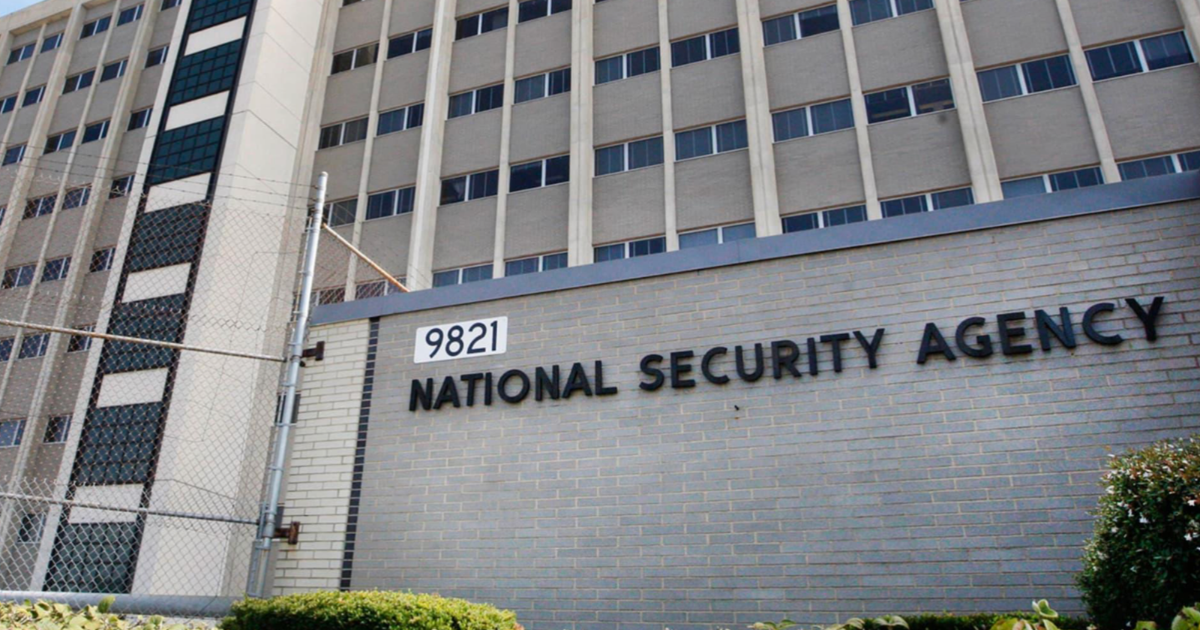
WASHINGTON, D.C. — November 17, 2026 — A highly classified communications network used by the National Security Agency has gone down, becoming the latest in a remarkable series of technology failures affecting critical services across the United States.
The NSA outage follows disruptions involving Microsoft, major financial institutions, the Federal Aviation Administration and United Airlines, all within less than a week.
CNN reported Tuesday that NSA Net, an internal network used by agency personnel to exchange classified information, was unavailable, citing six people familiar with the situation. Reuters subsequently reported the development.
The cause remains unknown. Sources told CNN there was no evidence of a cyberattack.
From Email Systems to National Security
The sequence began Thursday, November 12, when a major Microsoft 365 outage interrupted Outlook, Teams and other business services worldwide.
On Friday, November 13, an air traffic control communications failure prompted the FAA to halt departing flights nationwide, disrupting travel for thousands of passengers.
The problems continued Monday, November 16, when JPMorgan Chase experienced a software failure affecting banking transactions. Customers of several other financial institutions also reported difficulties accessing services.
That same day, United Airlines experienced a separate technology problem that temporarily delayed departing flights.
Now, the disruption has reached one of America’s most sensitive intelligence organizations.
The NSA plays a central role in collecting foreign signals intelligence and securing government communications. An interruption to its classified internal network raises questions about operational reliability, even if no security breach occurred.
Coincidence or a Warning Sign?
The timing of so many failures has raised understandable concerns about whether the incidents could be connected.
However, federal officials have repeatedly stated that investigators have found no evidence of a coordinated cyberattack.
Microsoft has identified technical problems within its own systems. JPMorgan Chase attributed its disruption to a software issue, while transportation officials have been investigating equipment and network failures affecting aviation communications.
On Sunday, Transportation Secretary Sean Duffy said intelligence and cybersecurity agencies had found none of the usual indicators of an outside cyberattack in the FAA incident.
The NSA outage has not been publicly linked to any of those events.
President Donald Trump also addressed the broader series of disruptions Tuesday, downplaying concerns and arguing that technical problems can occur even in large organizations.
The Bigger Question: How Vulnerable Is America?
Whether the outages are related or entirely independent, their consequences expose an important challenge.
Modern American society depends on interconnected digital infrastructure. Financial transactions, commercial flights, emergency communications and national security operations all require systems that function reliably.
A failure in one system can quickly affect thousands or even millions of people.
The NSA incident is especially concerning because the agency is among the institutions responsible for protecting the country’s most sensitive information.
But a network outage is not, by itself, evidence that classified data has been stolen or that foreign actors have gained access.
The public still lacks complete explanations for several of the recent disruptions.
Were the incidents simply an unusual series of unrelated technical failures? Or do they expose deeper weaknesses in the infrastructure on which the country depends?
Those questions deserve investigation, transparency and clear answers from the agencies and companies involved.
For now, there is no verified evidence of a coordinated attack. What is undeniable is that the reliability of several essential American systems has been tested in an unusually short period.
Sources: CNN, November 17, 2026; Reuters, November 17, 2026; Associated Press, November 13, 2026; The Washington Post, November 14, 2026; ABC News, November 15, 2026.
By NJ RADAR Team