


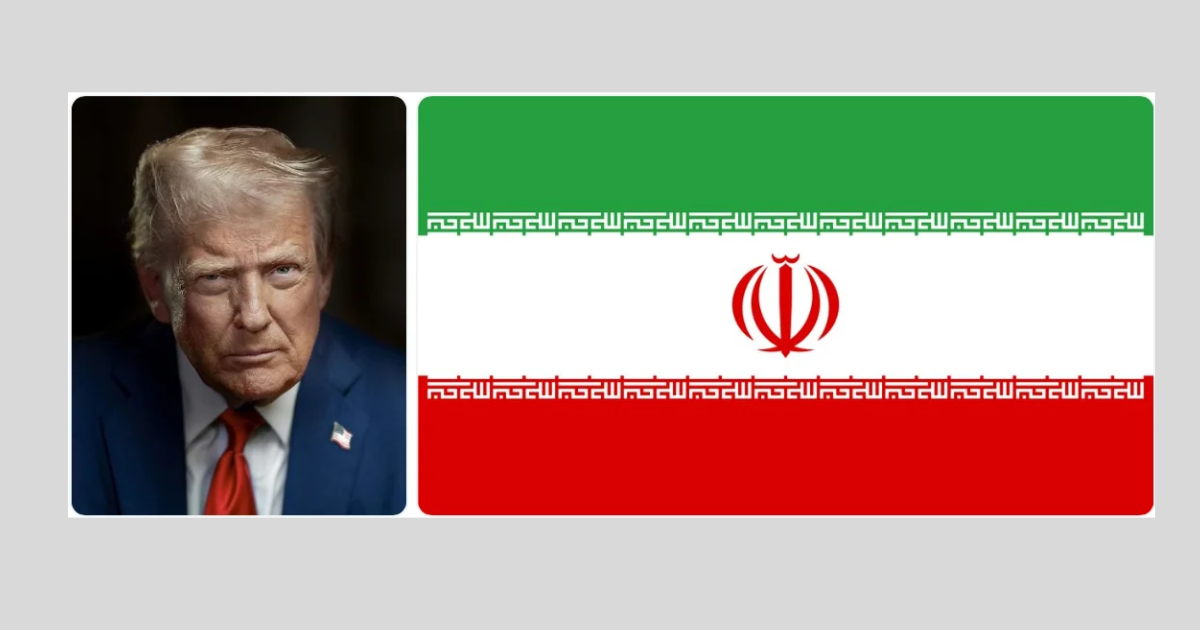
WASHINGTON — November 4, 2026 — The United States military is completing preparations for a possible resumption of major combat operations against Iran, including the deployment of additional warships, fighter jets, and military personnel to the Middle East, according to U.S. officials cited by Axios.
The preparations come amid renewed tensions between Washington and Tehran, stalled diplomatic negotiations, and growing uncertainty about President Donald Trump’s next steps following the November 3 midterm elections.
The Pentagon has instructed U.S. Central Command to prepare for the possibility of renewed large-scale military operations. However, no official date has been announced, and Trump has not made a final decision to authorize additional strikes.
U.S. Expands Military Presence in the Middle East
According to Axios, American forces have been reinforcing their regional presence with additional naval and air assets.
The USS Theodore Roosevelt aircraft carrier strike group has been directed toward the Middle East, where other American carrier groups are already operating.
Additional military deployments include amphibious assault ships, Marine units, and air-defense capabilities intended to strengthen the American military position and protect regional partners.
These preparations would give Washington additional military options if diplomatic efforts fail or the administration decides to resume combat operations.
Iran’s Nuclear and Energy Infrastructure Could Be Targeted
Earlier reporting by Axios indicated that a renewed military campaign could involve extensive strikes against Iranian nuclear facilities, energy installations, and other critical infrastructure.
Such an operation could significantly escalate the existing confrontation and potentially trigger Iranian retaliation against American military installations or regional allies.
The Strait of Hormuz, a strategic maritime passage connecting the Persian Gulf to global shipping routes, remains central to the confrontation.
Any further disruption to shipping through the strait could affect international energy supplies and increase pressure on global oil markets.
Trump Says There Is No Rush
Despite the military preparations, President Trump has publicly indicated that he is not rushing toward another major confrontation.
In a November 2 interview with Axios, Trump said there was no urgency to make a decision about renewed strikes against Iran.
His administration continues to pursue a combination of diplomatic negotiations, economic pressure, and military readiness.
Qatar has been involved in mediation efforts aimed at preventing another escalation, although significant disagreements between Washington and Tehran remain unresolved.
Israel Closely Watching U.S. Preparations
The possibility of renewed military action has also attracted considerable attention in Israel.
Israeli Prime Minister Benjamin Netanyahu has maintained contact with the Trump administration as both governments assess the regional security situation.
Previous Axios reporting suggested that any major renewed military campaign could involve coordination between American and Israeli forces.
Iranian officials have repeatedly warned that further attacks could provoke military retaliation, potentially expanding the conflict throughout the region.
What Happens Next?
The U.S. military’s preparations do not necessarily mean that a new attack is imminent.
Military readiness allows the administration to maintain several options while diplomatic efforts continue.
For now, Washington faces a consequential choice: continue applying military and economic pressure while pursuing negotiations, or authorize another round of combat operations with potentially far-reaching regional and international consequences.
The coming days could be critical for determining whether the current confrontation remains contained or develops into another major military escalation.
Tags: Iran, United States, U.S. Military, Pentagon, Donald Trump, Middle East, Iran War, Military Operations, Israel, Strait of Hormuz, International Security, Breaking News
Sources: Axios, U.S. Department of Defense, U.S. Central Command, U.S. Navy.
By NJ RADAR Team