


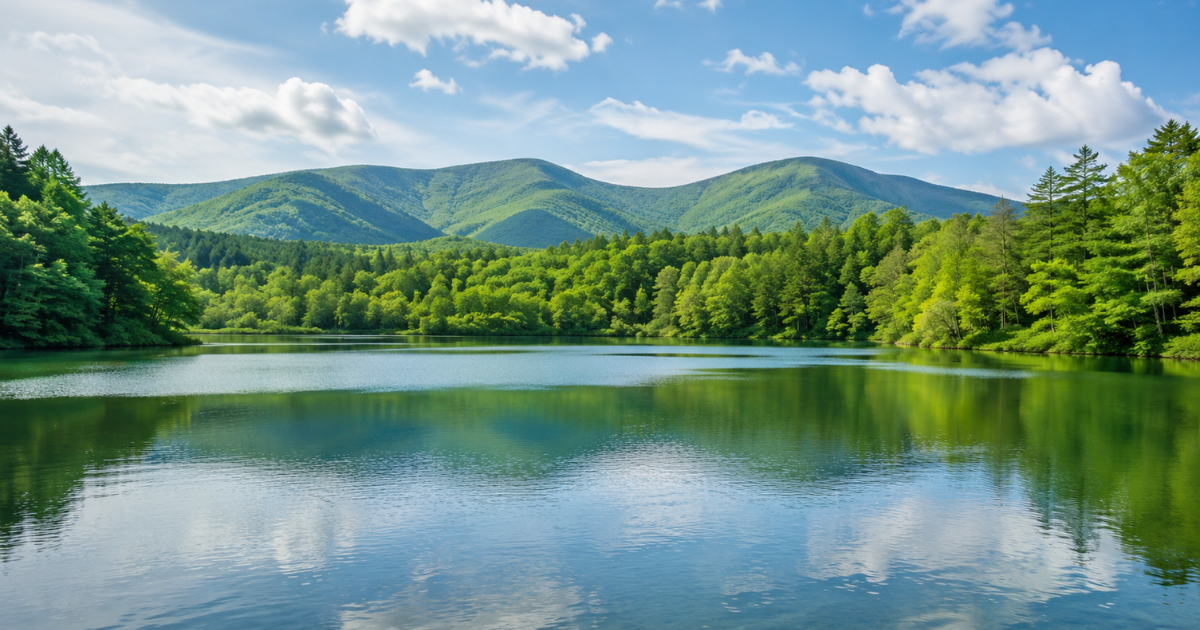
The United Nations is using World Lake Day to draw attention to the importance of protecting lakes around the world and the growing pressures threatening these vital ecosystems.
According to the UN, Earth has more than 117 million lakes, covering roughly 4% of the planet’s land surface. Although they occupy only a small portion of the world’s land, lakes play an outsized role in supporting life. They provide fresh water, sustain biodiversity, help regulate local climates and support agriculture, fishing, tourism and the livelihoods of millions of people.
Lakes are also home to a wide variety of plants and animals and serve as important habitats for migratory birds and other wildlife. In many regions, entire communities depend on lakes for drinking water, food, transportation and economic activity.
At the same time, the United Nations warns that lakes are increasingly under pressure. Pollution, climate change and unsustainable land use are degrading water quality, reducing water levels in some areas and placing freshwater ecosystems at risk.
Rising temperatures can also alter lake ecosystems, affect oxygen levels and increase the spread of harmful algal blooms. Agricultural runoff, industrial pollution and urban development can further damage water quality and threaten species that depend on healthy freshwater environments.
World Lake Day is intended to raise awareness of these challenges and encourage stronger efforts to protect, restore and manage lakes more sustainably.
The UN is calling attention not only to the environmental importance of lakes, but also to their role in human health, food security, local economies and long-term climate resilience.
Source: United Nations
By NJ RADAR Team