


TOMS RIVER, NJ — Toms River has become the latest New Jersey municipality to formally push back against the state’s sanctuary policies, adopting a resolution Wednesday calling for their repeal. The move follows similar actions this summer in Stafford and Middletown, signaling growing local opposition to New Jersey’s immigration policies in several communities.
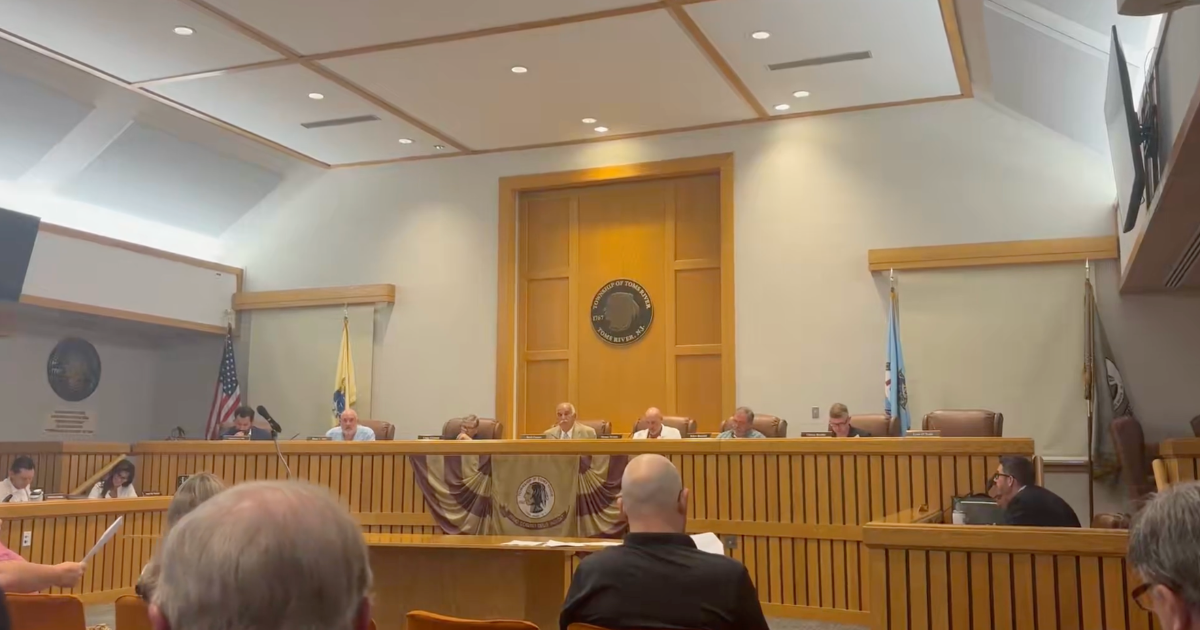
The Toms River Township Council adopted the resolution during its August 12 meeting, adding one of Ocean County’s largest communities to a developing municipal debate over how New Jersey should cooperate with federal immigration authorities. The township’s official 2026 meeting schedule confirms the council meeting was set for Wednesday evening.
The resolution itself does not overturn state law. Municipal governments cannot independently repeal statewide immigration policies, but such resolutions allow local officials to formally state their opposition and call on state lawmakers and the governor to change them.
Toms River Is Not the First
Toms River is part of a broader movement that has already surfaced in other New Jersey municipalities.
In July, Stafford Township in Ocean County approved a resolution opposing New Jersey sanctuary policies and urging the repeal of several state immigration laws. Local officials cited concerns involving law enforcement, costs and officer safety.
The Stafford vote followed an incident in the township in which a federal immigration agent was injured during an enforcement operation, an event that became part of the local debate surrounding the resolution.
Middletown Township in Monmouth County has also taken action opposing sanctuary-state policies. The township has a longer history of formally challenging New Jersey’s approach to cooperation between local law enforcement and federal immigration authorities.
What Does “Sanctuary State” Mean in New Jersey?
The term “sanctuary state” is commonly used in political debate to describe New Jersey policies that place limits on when state and local law enforcement agencies may assist federal immigration authorities.
The debate originally centered heavily on New Jersey’s Immigrant Trust Directive, first issued in 2018, which restricted certain forms of cooperation between local police and federal civil immigration enforcement. Republican lawmakers have repeatedly sought its repeal.
Supporters of such restrictions argue that immigrants should be able to report crimes, cooperate with police and access local services without fearing that routine interaction with local authorities will automatically expose them to federal immigration enforcement.
Opponents argue that the restrictions can interfere with cooperation between local police and federal immigration authorities and potentially create public-safety problems.
That disagreement has become increasingly visible at the municipal level.
A Political Message, Not a Change in State Law
For Toms River residents, Wednesday’s resolution does not mean that New Jersey’s statewide immigration rules suddenly stop applying in the township.
Instead, the vote represents a formal political message from the local governing body asking state leaders to reverse or repeal those policies.
With Stafford, Middletown and now Toms River taking public positions against sanctuary-state policies, the question is whether additional municipalities will follow — and whether those local resolutions will ultimately have any influence in Trenton.
Sources: Toms River Township public meeting schedule; Stafford Township reporting and council action; Middletown Township records and reporting; New Jersey legislative materials.