


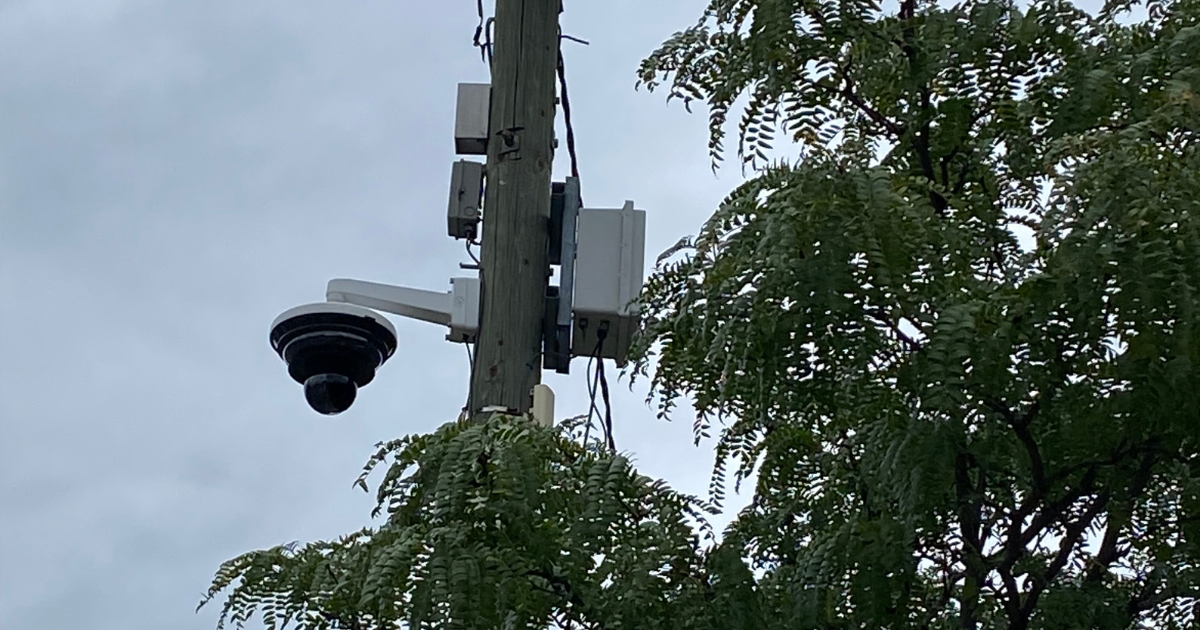
A major U.S. Supreme Court decision on cellphone location privacy is raising new questions about police surveillance technology, including automated license plate readers such as Flock cameras.
On June 29, 2026, the Supreme Court ruled 6–3 that police access to a person’s cellphone location history constitutes a search under the Fourth Amendment of the U.S. Constitution.
The case, Chatrie v. United States, involved a 2019 bank robbery in Virginia. Investigators obtained location records from Google to identify phones present near the crime scene, eventually identifying a suspect.
The Court determined that individuals have a reasonable expectation of privacy in their cellphone location information, even when that data is stored by technology companies.
However, the justices did not decide whether the specific search was unconstitutional. That question was returned to a lower court.
What Does This Mean for Flock Cameras?
Flock cameras automatically record vehicle license plates, allowing law enforcement agencies to search records and potentially reconstruct a vehicle’s movements over time.
Although the Supreme Court ruling did not directly address Flock cameras or prohibit their use, it could strengthen future legal challenges involving extensive surveillance and the collection of location data.
Privacy advocates have increasingly questioned whether large networks of cameras allow authorities to monitor ordinary citizens without sufficient oversight.
Supporters argue that these systems help police investigate crimes, locate stolen vehicles, and improve public safety.
The Bigger Question: Privacy or Security?
The decision highlights a growing constitutional debate: How much information about people’s everyday movements should law enforcement be permitted to collect?
The Supreme Court has now reinforced an important principle: Digital location information does not automatically lose constitutional protection simply because it is held by a private company.
For communities using automated surveillance systems, the ruling could encourage renewed discussion about privacy protections, data retention, and government accountability.
Sources: U.S. Supreme Court, Chatrie v. United States (June 29, 2026); Reuters; Associated Press.
By NJ RADAR Team