


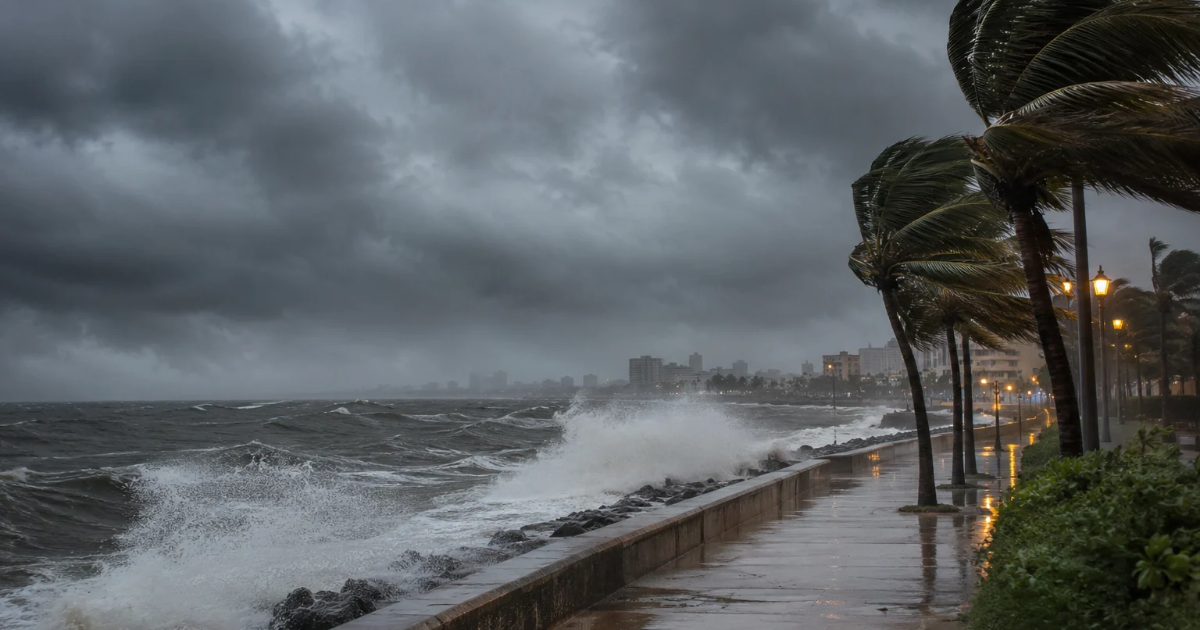
A developing East Coast storm could bring wind gusts reaching 60 mph, heavy rainfall, coastal flooding and widespread travel disruptions during one of the busiest holiday periods of the year.
NEW JERSEY — November 24, 2026 — Millions of residents along the East Coast are preparing for a potentially dangerous Thanksgiving storm that could bring damaging winds, heavy rain, coastal flooding and power outages to New Jersey, New York and neighboring states.
The storm is expected to intensify as it moves north along the Atlantic coastline, reaching the New York metropolitan area on Thursday, November 26, just as families gather for Thanksgiving celebrations.
Meteorologists warn that wind gusts could reach 50 to 60 mph in some locations, strong enough to bring down tree branches, damage power lines and disrupt electricity service.
The National Weather Service has issued high wind watches and coastal flood alerts for parts of the region, with the most significant impacts expected Thursday afternoon and evening.
The approaching storm also threatens to disrupt air travel, highway traffic and outdoor holiday events.
New Jersey Faces Heavy Rain and Strong Winds
New Jersey is expected to experience deteriorating weather conditions beginning Wednesday night, with the storm intensifying during Thanksgiving Day.
Forecasters predict widespread rainfall, accompanied by powerful winds that could make driving hazardous and lead to localized power outages.
The greatest concerns are along the Jersey Shore, where strong onshore winds could push Atlantic Ocean water into low-lying communities.
Coastal flooding is possible during high tide, particularly in vulnerable areas of Atlantic, Cape May, Monmouth and Ocean counties.
Communities such as Atlantic City, Ocean City, Cape May and other shore towns could experience flooded roadways and difficult travel conditions.
The National Weather Service office in Mount Holly has expanded its high wind watch to cover much of New Jersey and warned that strong gusts could damage trees and power lines.
Rainfall totals will depend on the storm’s exact track, but some areas of the Mid-Atlantic could receive several inches of rain.
Even inland communities may experience hazardous conditions as powerful wind gusts and periods of heavy rainfall move across the state.
New York City and Long Island Also at Risk
Across the Hudson River, New York City is preparing for a wet and potentially windy Thanksgiving.
The National Weather Service has warned that the city and surrounding metropolitan area could experience damaging wind gusts, with the strongest conditions expected Thursday afternoon and evening.
Long Island and coastal sections of New York face additional risks from storm-driven flooding.
Strong winds may push water into low-lying neighborhoods, particularly during high tide.
The storm could also affect the Hudson Valley and other parts of southeastern New York, where fallen branches and scattered electrical outages are possible.
The timing is particularly concerning because Thanksgiving is one of the busiest travel periods in the country.
Millions Could Face Power Disruptions
One of the most serious concerns is the possibility of power outages during Thanksgiving celebrations.
AccuWeather forecasters warn that strong winds along the Atlantic coast and parts of the Appalachian region could damage electrical infrastructure and interrupt service.
Dan DePodwin, AccuWeather’s vice president of forecasting operations, told the New York Post that Thanksgiving presents particular difficulties when electricity is lost because families are cooking, gathering and traveling.
Power outages can interrupt heating systems, refrigeration, food preparation and communications.
The risk is especially concerning for households relying on electricity for medical equipment or other essential needs.
Although millions of residents live in the storm’s potential impact zone, meteorologists have not predicted that all of them will lose power. The extent of any outages will depend on the strength and location of the winds.
Utility companies may face challenging conditions if fallen trees and damaged power lines affect multiple communities simultaneously.
Thanksgiving Travel Could Be Disrupted
The storm arrives during one of the busiest transportation weeks of the year.
Heavy rainfall and strong winds could create difficult driving conditions along major highways, including Interstate 95, the New Jersey Turnpike and the Garden State Parkway.
Poor visibility, standing water and fallen debris could slow traffic and increase the risk of accidents.
Air travelers could also face delays at Newark Liberty International Airport, John F. Kennedy International Airport and LaGuardia Airport.
Strong crosswinds and thunderstorms can interfere with aircraft operations, while poor weather elsewhere along the East Coast may cause additional disruptions to flight schedules.
Travelers planning to leave Wednesday or return Friday should monitor weather developments and check transportation updates before departing.
Macy’s Thanksgiving Day Parade Faces Weather Concerns
The storm could also affect one of New York City’s most famous holiday traditions.
The 100th Macy’s Thanksgiving Day Parade is scheduled for Thursday morning in Manhattan, with large character balloons, marching bands and floats expected to attract crowds.
Strong winds are a particular concern for parade organizers because the enormous helium balloons cannot be safely operated when conditions exceed established wind limits.
City officials and parade organizers will assess conditions using actual wind measurements before making decisions about balloon participation.
The parade has never been canceled because of weather, although strong winds and heavy rain forced organizers to keep the balloons grounded in 1971.
The timing of the storm will be crucial. If the strongest winds arrive after the parade, the event could avoid the most severe conditions.
Coastal Flooding Remains a Major Concern
Beyond the wind and rain, forecasters are closely monitoring coastal flooding along the Atlantic seaboard.
Strong winds blowing toward the coastline can push ocean water inland, raising water levels above normal tides.
The combination of storm surge, high tides and heavy rainfall can flood roads, parking areas and low-lying properties.
Beach erosion is another possibility, particularly along exposed stretches of the Jersey Shore.
Residents of flood-prone neighborhoods are encouraged to monitor local emergency management announcements and avoid driving through flooded streets.
Even relatively shallow water can make roads impassable or conceal dangerous conditions beneath the surface.
How Residents Can Prepare
Emergency officials and meteorologists recommend preparing before the strongest winds arrive.
Residents should secure outdoor furniture and decorations, charge phones and backup batteries, and keep flashlights available.
Families may also want to ensure they have essential medications, drinking water and food that does not require cooking if electricity is interrupted.
Drivers should allow extra travel time and avoid unnecessary trips during the most intense periods of rain and wind.
Anyone who encounters a fallen power line should stay away and report it to the local utility company.
Coastal residents should pay particular attention to flood advisories and instructions from municipal emergency officials.
A Holiday Under the Threat of Severe Weather
The approaching storm illustrates how quickly weather can disrupt even the most carefully planned holiday celebrations.
For millions of Americans, Thanksgiving means family gatherings, travel and preparations that depend on reliable transportation and electricity.
This year, many of those plans may be complicated by a powerful storm moving through some of the nation’s most densely populated areas.
Forecasters will continue refining predictions as the storm develops, particularly its track, wind intensity and the timing of the heaviest rainfall.
For New Jersey and New York, Thursday is expected to bring the greatest concern, with unsettled conditions potentially continuing into Friday.
Residents should monitor the latest National Weather Service forecasts and local emergency alerts as Thanksgiving approaches.
Sources: National Weather Service, Mount Holly and New York forecast discussions, November 24, 2026; New York Post, November 24, 2026; Reuters, November 24, 2026; AccuWeather, November 24, 2026; ABC News, November 24, 2026.
By NJ RADAR Team