


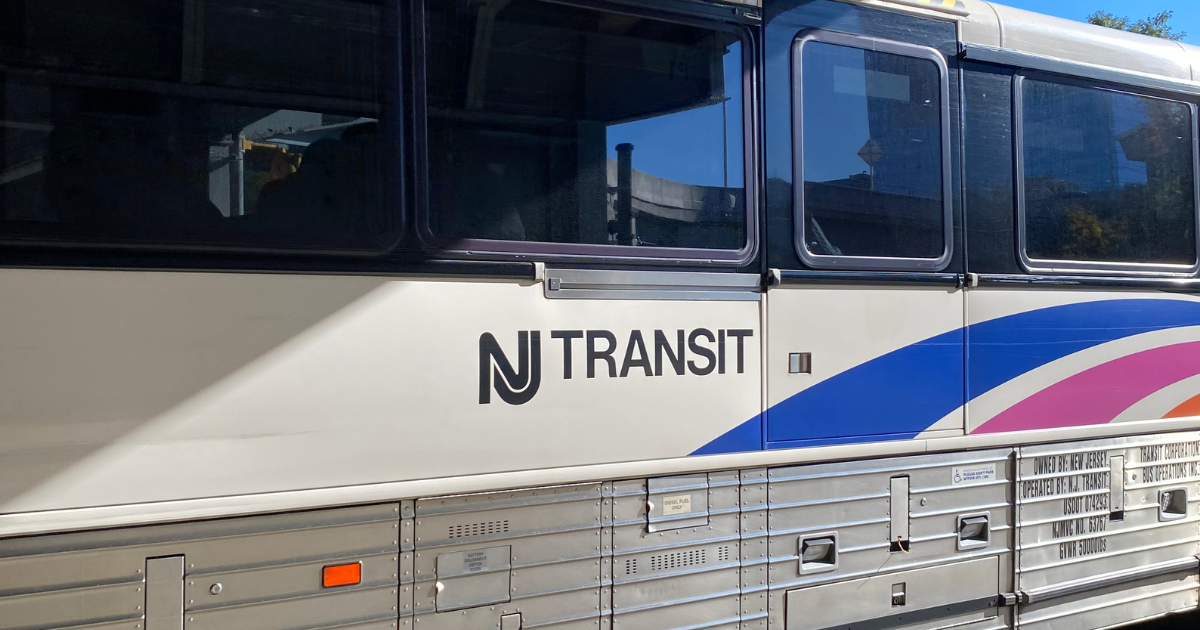
A bipartisan legislative proposal in New Jersey seeks to eliminate the Corporate Transit Fee, a tax on the state’s most profitable corporations that currently provides more than $765 million annually to NJ Transit.
The proposal, sponsored by Republican State Senator Michael Testa, would eliminate the fee at the end of 2026, two years ahead of its scheduled expiration, while also reducing New Jersey’s overall corporate business tax rate.
Supporters argue that the measure would improve the state’s business climate, attract new employers and encourage existing companies to remain in New Jersey. However, transportation advocates warn that eliminating the tax could undermine the financial stability of the state’s public transportation system.
Why Was the Corporate Transit Fee Introduced?
The fee was established in 2024 under former Governor Phil Murphy to provide NJ Transit with a dedicated source of funding.
It imposes an additional 2.5% tax on corporations with taxable net income exceeding $10 million allocated to New Jersey.
The measure was introduced as NJ Transit faced rising operating expenses and the expiration of federal financial assistance provided during the COVID-19 pandemic.
Under existing law, the fee is scheduled to expire on December 31, 2028.
What Is at Stake for NJ Transit?
NJ Transit’s operating budget for fiscal year 2027 totals approximately $3.5 billion.
Its funding includes:
- $765.6 million from the Corporate Transit Fee.
- Approximately $980 million in projected passenger fare revenue.
- Additional state funding and other revenue sources.
Passengers are already paying higher fares following a 3% increase that took effect on July 1, 2026.
Without an alternative source of funding, eliminating the corporate fee could create significant budgetary pressure and raise concerns about future fare increases, service reductions or additional state subsidies.
Business Competitiveness Versus Public Transportation
Senator Testa argues that New Jersey’s high corporate taxes make it more difficult to attract and retain businesses.
Transportation advocates, including New Jersey Policy Perspective, argue that reliable public transportation also benefits employers by providing access to a larger workforce and connecting employees with job opportunities.
Governor Mikie Sherrill has not publicly committed to supporting the proposed repeal. Her administration has discussed developing state-owned properties near train stations as a potential alternative source of revenue for NJ Transit.
Who Would Cover the Difference?
The debate raises a fundamental question for New Jersey: If the state’s most profitable corporations are no longer required to contribute through the Corporate Transit Fee, how will the resulting funding gap be addressed?
For residents who depend on buses and trains to get to work, attend school or access essential services, the financial stability of NJ Transit is directly connected to the cost of everyday life.
The legislation remains a proposal, and the Corporate Transit Fee is still in effect.
Sources: NJ Spotlight News, New Jersey Division of Taxation, New Jersey Senate Republicans, New Jersey Monitor
By NJ RADAR Team