


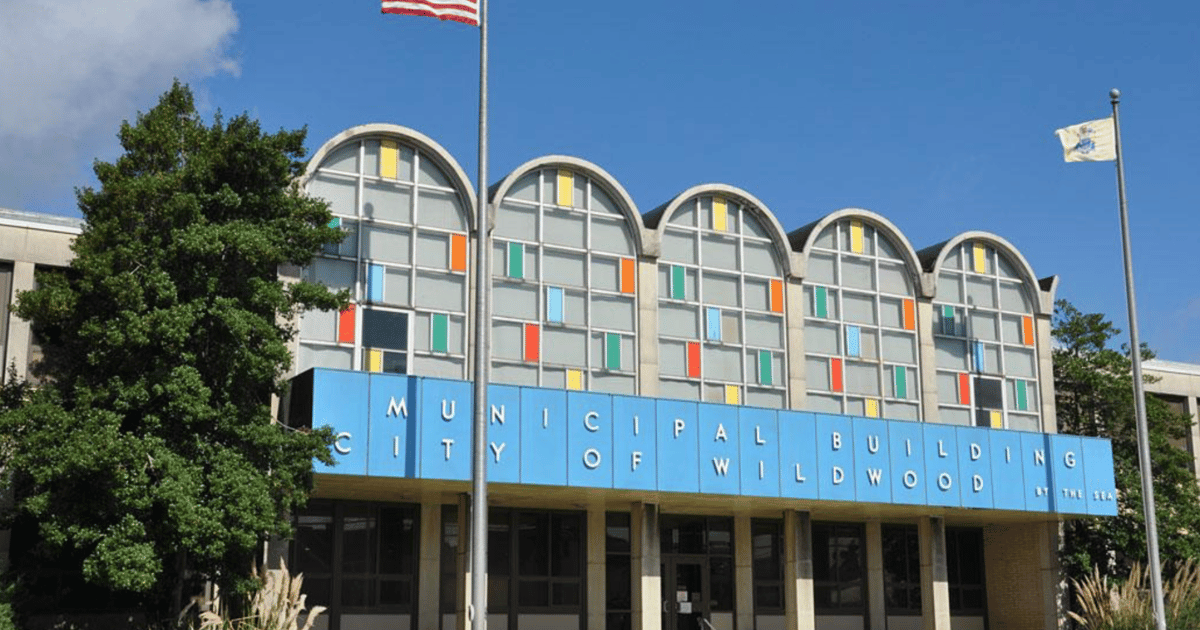
WILDWOOD, NJ — New Jersey prosecutors have dropped criminal charges against Wildwood Mayor Ernie Troiano Jr. and City Commissioner Steve Mikulski, ending a yearslong legal battle over allegations that the two officials improperly received taxpayer-funded health insurance benefits.
The decision, reported November 13 by the New Jersey Globe, follows an October appellate court ruling that limited some of the evidence prosecutors could present at trial.
Both officials had faced serious criminal charges, including official misconduct, theft and falsification of public records.
Their attorneys welcomed the dismissal, arguing that the state had pursued a case it ultimately could not prove.
How the Case Began
The investigation centered on New Jersey’s State Health Benefits Program, which provides insurance coverage to eligible public employees.
Under a state law amended in 2010, elected and appointed municipal officials generally must have fixed working hours of at least 35 per week to qualify for coverage.
Prosecutors alleged that Troiano and Mikulski received health insurance benefits despite failing to meet that requirement.
The officials were initially charged in 2022. After an earlier indictment was dismissed, prosecutors obtained another indictment in July 2023.
The case involved questions about how Wildwood classified its elected commissioners, their working schedules and the city’s records concerning their employment status.
Court Ruling Changes the Case
On October 19, 2026, the New Jersey Superior Court’s Appellate Division issued a decision addressing several disputes over evidence.
The court upheld restrictions on testimony concerning other commissioners, outside employment and certain categories of time off.
It also upheld an order allowing the defense to obtain information related to its selective prosecution claims.
However, the appellate panel partly reversed a lower court ruling involving testimony from human resources personnel.
Following the decision, prosecutors moved to dismiss the charges against Troiano and Mikulski.
Troiano’s attorney, Charles Nugent Jr., told the New Jersey Globe that the state no longer had sufficient evidence to proceed.
Mikulski’s attorney, Christopher St. John, characterized the prosecution as selective.
Those assessments represent the defense attorneys’ positions. The appellate ruling itself did not declare that the officials had been selectively prosecuted or establish their innocence through a trial verdict.
State Anti-Corruption Office Under Scrutiny
The dismissal also draws attention to the Office of Public Integrity and Accountability, known as OPIA, which originally handled the investigation.
Established in 2018, the office was responsible for investigating allegations of public corruption and misconduct involving government officials.
Attorney General Jennifer Davenport closed OPIA earlier this year following criticism of its handling of criminal cases.
Public corruption prosecutions were returned to the state’s Division of Criminal Justice.
The Wildwood case became one of several proceedings that attracted scrutiny over lengthy investigations, disputes about evidence and the consequences for public officials facing charges that were ultimately dismissed.
The case also involved a third former Wildwood official, Peter Byron, who pleaded guilty in September 2024 to theft related to improperly received health benefits and other offenses. His case was resolved separately.
What Happens Next?
Troiano and Mikulski remained in public office during the prosecution, with Wildwood voters continuing to elect them despite the criminal allegations.
The dismissal ends the criminal case against the two officials, but it leaves broader questions about oversight of publicly funded benefits and the conduct of government investigations.
The state has an obligation to investigate suspected misuse of public resources. It also has a responsibility to ensure that criminal charges are supported by admissible evidence and that defendants receive a fair legal process.
In Wildwood, a dispute that began over eligibility for municipal health insurance ultimately became a prolonged legal battle involving elected officials, state prosecutors and the courts.
With the charges now dismissed, the case illustrates both the importance of accountability in public office and the consequences of prosecutions that fail to reach trial.
Sources: New Jersey Globe, November 13, 2026; New Jersey Superior Court, Appellate Division, October 19, 2026; New Jersey Office of the Attorney General; NJ Today.
By NJ RADAR Team