


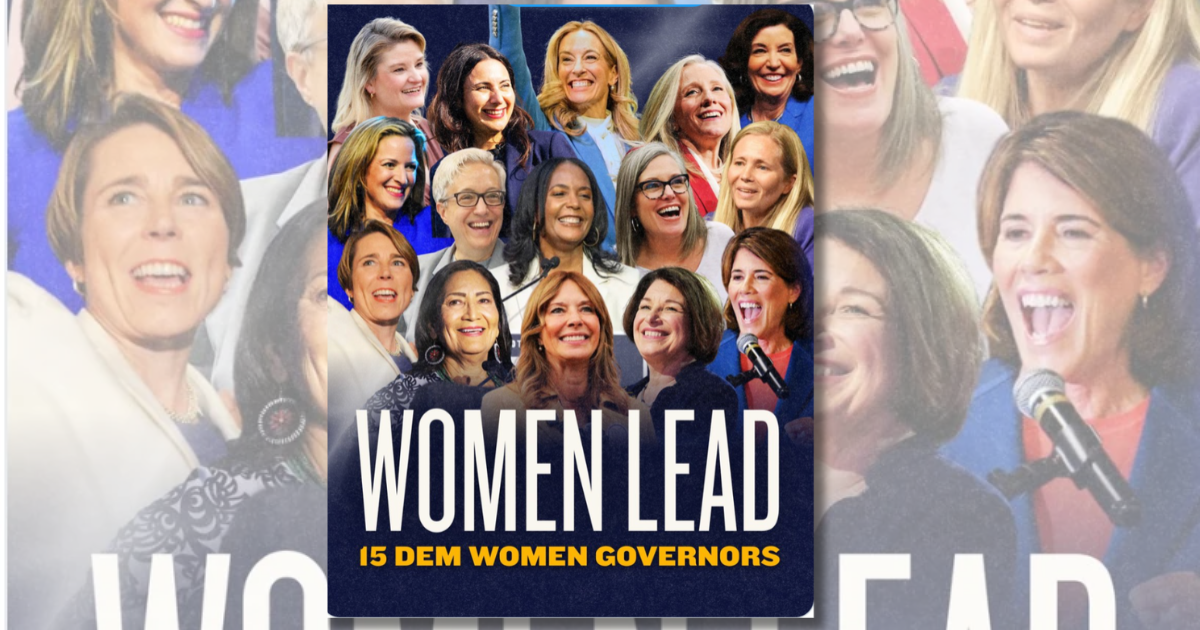
NEW JERSEY — November 5, 2026 — New Jersey Governor Mikie Sherrill is celebrating a historic milestone for women in American politics following the November 3 midterm elections, which delivered a record number of female governors and significant victories for Democratic women across the country.
According to the Center for American Women and Politics (CAWP) at Rutgers University, at least 17 women will serve as governors in 2027, including 14 Democrats and three Republicans.
The results surpass the previous record of 14 female governors and represent a major increase in women’s representation at the highest levels of state government.
Sherrill welcomed the election results in a social media post Thursday, praising the candidates, campaign teams, and Democratic Governors Association for their efforts.
Sherrill Celebrates a Historic Milestone
In her November 5 statement, Governor Sherrill expressed enthusiasm about the growing number of Democratic women leading American states.
“I’m beyond thrilled that we will have these leaders holding the line in the states and charting the way forward on affordability and opportunity,” Sherrill wrote.
She also credited the coordinated efforts of Democratic campaigns and the Democratic Governors Association (DGA), which supported candidates in competitive gubernatorial elections across the country.
The governor emphasized the importance of cooperation among Democratic state leaders in addressing economic challenges and expanding opportunities for residents.
Her message concluded with a call for action: “Let’s get to work!”
A Record 17 Women Governors in 2027
The November elections produced a historic increase in the number of women elected to lead American states.
According to Rutgers University’s Center for American Women and Politics, 15 women won gubernatorial elections on November 3, including 12 Democrats and three Republicans.
Combined with two Democratic women governors whose seats were not up for election, at least 17 women will hold governorships in 2027.
Women will therefore lead at least 34% of the nation’s 50 states, compared with 28% in 2026.
The number of Democratic women governors will rise from 10 to at least 14, setting a new party record.
Some gubernatorial races remain unresolved, meaning the final number could increase.
Historic Firsts Across the Country
Several states elected women to their highest executive offices for the first time.
In Georgia, Democrat Keisha Lance Bottoms made history as the first woman elected governor of the state and the first Black woman elected governor anywhere in the United States.
Minnesota elected Democrat Amy Klobuchar, who will become the state’s first female governor.
In Ohio, Democrat Amy Acton became the first woman elected governor, although Nancy Hollister briefly held the office through succession in 1998 and 1999.
Tennessee also made history with the election of Republican Marsha Blackburn, who will become the state’s first female governor.
Additional milestones included Democrat Gina Hinojosa becoming Texas’s first Latina governor and Deb Haaland becoming the first Native American woman elected governor in the United States.
Together, these victories represent significant changes in the composition of state leadership.
New Jersey’s Role in Women’s Political Leadership
Governor Mikie Sherrill is part of this expanding generation of women leaders.
Elected in November 2025, Sherrill became the second woman elected governor of New Jersey and the first Democrat to hold the position.
Her election, alongside Abigail Spanberger’s victory in Virginia, helped bring the number of sitting female governors to 14 at the beginning of 2026.
The latest election results extend that progress by increasing both the total number of women governors and the number representing the Democratic Party.
The significance of the new records is especially notable in New Jersey, where Rutgers University’s Center for American Women and Politics has become a leading national institution for researching women’s political participation and leadership.
Focus on Affordability and Opportunity
Sherrill’s statement also highlighted the policy priorities she believes women governors can advance.
She pointed specifically to affordability and economic opportunity, two issues that played major roles in the 2026 elections.
Across the country, voters have expressed concerns about housing costs, utility bills, healthcare expenses, and the broader cost of living.
Governors have considerable influence over state budgets, education, transportation, economic development, and public services.
However, the newly elected governors will face different political environments, legislative majorities, and budget conditions in their respective states.
Their ability to advance policy priorities will depend on cooperation with state legislatures and other elected officials.
Women Also Make Gains in Congress
The historic gubernatorial results are part of a broader increase in Democratic women’s political representation.
According to Rutgers CAWP, Democratic women are also expected to reach record levels of representation in Congress following the November elections.
At least 100 Democratic women will serve in the U.S. House of Representatives in 2027, surpassing the previous record of 95.
The elections also produced several historic breakthroughs for women of different racial and ethnic backgrounds.
Researchers emphasize that these developments represent important changes in political representation, although women remain underrepresented compared with their share of the overall U.S. population.
A New Chapter for Women in State Leadership
The 2026 election results mark a significant moment in American political history.
With at least 17 women preparing to serve as governors, the country will enter 2027 with more female state leaders than ever before.
For Governor Mikie Sherrill, the results represent both a historic milestone and an opportunity for increased cooperation among Democratic governors.
Her statement reflects the Democratic Party’s emphasis on using state governments to address affordability, economic opportunities, and other policy priorities.
As the newly elected governors prepare to take office, attention will turn from historic electoral victories to the policies and decisions that will shape their states.
Sources: Governor Mikie Sherrill / X (November 5, 2026), Rutgers University Center for American Women and Politics (November 4, 2026), Reuters, NBC News, Associated Press.
By NJ RADAR Team