


Will New Jersey Residents Pay More for Electricity as AI Data Centers Expand?
TRENTON, NJ — November 5, 2026 — As artificial intelligence drives growing demand for electricity, New Jersey regulators are considering new rules to ensure that large data centers pay for the energy infrastructure they require rather than passing those costs on to households and small businesses.
The New Jersey Board of Public Utilities (NJBPU) is seeking public input on implementing the state’s new Data Center Fair Share Act, which aims to protect electricity customers from the financial consequences of rapidly expanding data center operations.
The issue comes as New Jersey residents continue to face concerns about rising utility bills and the increasing pressure that large electricity consumers place on the regional power grid.
A public meeting was held on November 4, and residents have until November 13 to submit written comments.
Why Are Data Centers Becoming an Electricity Concern?
Data centers are large facilities filled with computer servers that store, process, and transmit digital information.
They support essential online services, cloud computing, financial systems, and increasingly sophisticated artificial intelligence applications.
Unlike many traditional commercial buildings, large data centers can consume enormous amounts of electricity around the clock.
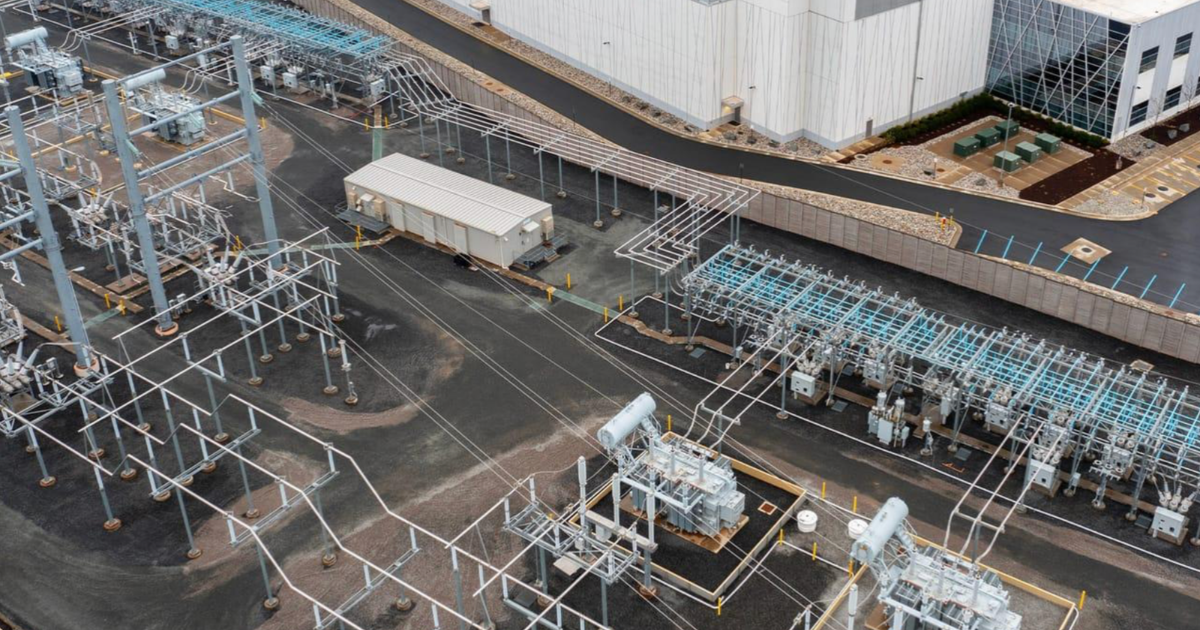
Their growing demand may require utilities to construct additional power lines, substations, transformers, and other infrastructure.
The central question facing New Jersey regulators is straightforward: Who should pay for those improvements?
If utilities build expensive infrastructure primarily to serve data centers, regulators must determine how to prevent those costs from being transferred to ordinary electricity customers.
New Jersey’s Data Center Fair Share Act
On July 7, 2026, Governor Mikie Sherrill signed the Data Center Fair Share Act into law.
The legislation directs the New Jersey Board of Public Utilities to develop special electricity service standards and rate structures for large data centers.
Its purpose is to ensure that these facilities pay the costs attributable to their operations, including necessary grid improvements, while protecting other electricity customers from additional financial burdens.
The law also seeks to prevent situations in which utilities invest millions of dollars in infrastructure for a proposed data center that later reduces its electricity demand or abandons its project.
Without adequate financial protections, some of those unused infrastructure costs could otherwise become a burden for other customers.
Data Centers May Have to Guarantee Payments for 10 Years
One of the law’s most significant provisions concerns financial guarantees.
Large data center customers may be required to guarantee payments covering at least 85% of their requested electricity service for a period of 10 years, subject to the standards established by regulators.
The requirement is intended to protect utility customers if a data center consumes less electricity than originally anticipated.
Regulators are examining how these guarantees should apply to facilities that expand gradually over several years.
They are also considering what financial security companies should provide before utilities begin building expensive infrastructure.
Homes Could Receive Priority During Power Emergencies
The proposed regulatory framework also addresses what should happen when the electrical grid experiences an emergency.
Under the new law, large data centers would generally be required to reduce electricity consumption before residential customers face service interruptions, with exceptions for designated critical operations.
This approach is designed to protect households during periods of severe electricity shortages or other grid emergencies.
Regulators must still determine which data center operations should qualify for exceptions and how reductions in electricity demand would be monitored and enforced.
Encouraging Clean Energy and Greater Efficiency
The legislation also creates incentives for data centers to develop or obtain additional clean electricity generation and energy storage.
Facilities that bring new energy resources to the grid or participate in programs that reduce electricity demand could receive priority consideration for connections.
The law also encourages improved energy efficiency, including technologies that capture and reuse heat generated by computer equipment.
These measures are intended to reduce pressure on existing electricity infrastructure while supporting economic development and technological innovation.
What Does This Mean for New Jersey Electricity Bills?
The new rules do not automatically mean that residential electricity rates will increase.
In fact, the legislation is specifically designed to prevent the costs associated with large data centers from being unfairly shifted onto other customers.
However, the effectiveness of these protections will depend on how regulators calculate costs, establish financial guarantees, and enforce electricity service agreements.
The outcome could be important for households, small businesses, and municipalities throughout New Jersey.
Residents already concerned about high utility bills have a direct interest in how the state balances new technological investment with affordable electricity.
Residents Can Submit Comments Until November 13
The New Jersey Board of Public Utilities is accepting written public comments until 5 p.m. on Friday, November 13, 2026.
Comments should reference Docket No. EO26080463, concerning implementation of the Data Center Fair Share Act.
Residents, businesses, environmental organizations, technology companies, and other interested parties may participate.
Comments can be submitted through the NJBPU’s public document system or emailed to board.secretary@bpu.nj.gov.
The board must develop the required standards by July 2027. Electric utilities will then have 180 days to submit proposed rate structures for regulatory approval.
Balancing Technology Growth With Consumer Protection
Artificial intelligence and digital infrastructure are becoming increasingly important to economic development, but their electricity requirements create new challenges for utilities and policymakers.
New Jersey’s approach reflects an effort to establish clearer rules before large-scale electricity demand creates additional financial risks for consumers.
The central issue is not whether data centers should operate in New Jersey, but how their infrastructure needs should be financed and managed.
As regulators prepare the new framework, one principle remains at the center of the debate: large technology facilities should be responsible for the costs they create, rather than shifting those expenses onto households and small businesses.
For New Jersey residents, the decisions made in the coming months could help determine how future electricity infrastructure is funded and who ultimately pays for it.
Sources: New Jersey Board of Public Utilities, New Jersey Legislature (P.L. 2026, Chapter 32), Morristown Minute, Jersey Vindicator, New Jersey Department of Community Affairs.
By NJ RADAR Team