


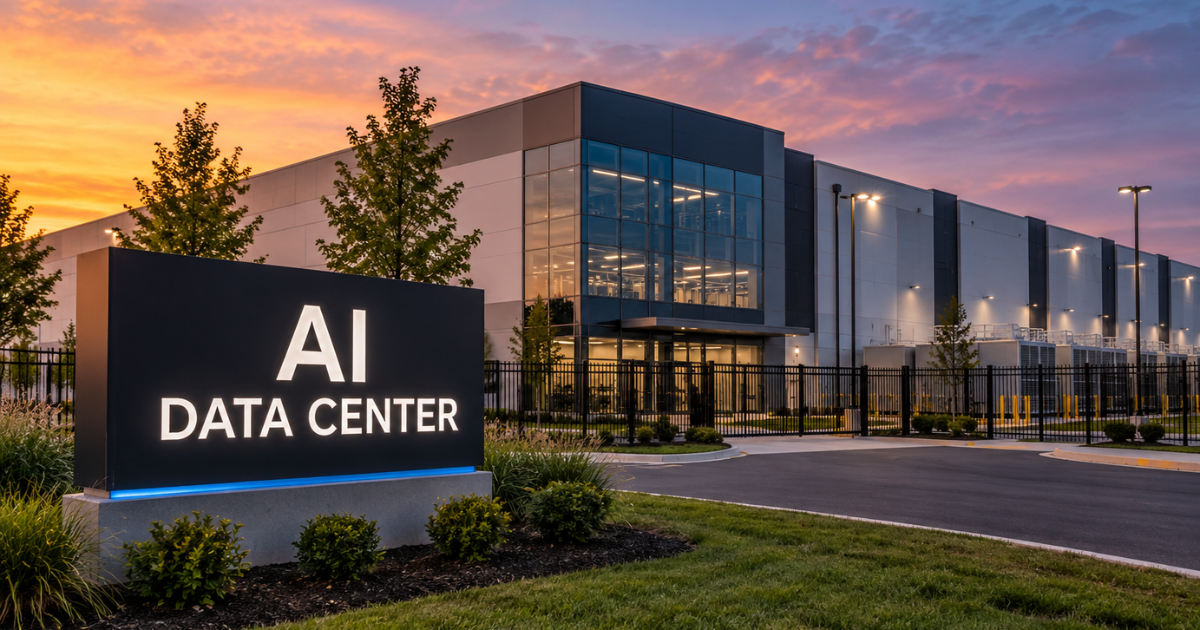
Monroe Township, New Jersey – October 26, 2026. A New Jersey township is facing a $300 million lawsuit after blocking the construction of a massive data center designed to support advanced computing and artificial intelligence.
Princeton-based developer Hexa Builders is suing Monroe Township in Gloucester County, arguing that local officials unfairly changed zoning regulations and prevented the company from moving forward with its proposed development.
The dispute has become part of a growing debate across New Jersey over the expansion of AI infrastructure, environmental concerns, and the authority of local governments to regulate large technology facilities.
A Million-Square-Foot Project Blocked
Hexa Builders planned to construct a data center covering approximately one million square feet, along with warehouse facilities, on a property at 3043 Black Horse Pike.
The developer had been pursuing plans for the property since 2022.
In 2025, township officials amended the redevelopment plan to permit data centers. However, opposition from local residents intensified over concerns about electricity consumption, water usage, noise, and the potential impact on surrounding neighborhoods.
Monroe Township later reversed course and adopted restrictions prohibiting data centers.
Hexa Builders argues that the changes unfairly prevented the company from developing a project that had previously been permitted under local regulations.
Developer Demands $300 Million
The company filed its lawsuit on June 5, 2026, in New Jersey Superior Court. The case was subsequently moved to federal court in Camden.
In its complaint, Hexa Builders alleges that township officials violated state land-use laws and constitutional protections, including equal protection and free speech rights.
The developer argues that data centers support digital communication and that prohibiting them raises constitutional questions.
The company is seeking approximately $300 million in damages, citing the alleged loss of value associated with the canceled project.
Monroe Township disputes the allegations and maintains that local officials have the authority to establish zoning regulations in response to community concerns.
Residents Raise Environmental Concerns
The proposed development generated significant opposition at public meetings.
Residents expressed concerns about the enormous amounts of electricity required to operate modern data centers, particularly those supporting artificial intelligence.
Other concerns included water consumption for cooling systems, continuous noise from industrial equipment, and the overall impact on local infrastructure.
Data centers have become increasingly controversial as AI companies expand their computing capacity across the United States.
Although such facilities can attract major investment, communities are increasingly questioning their long-term environmental and economic costs.
Township Seeks to Dismiss the Lawsuit
Monroe Township has asked the federal court to dismiss the case, arguing that the municipality acted within its legal authority when it changed its zoning rules.
The developer has challenged that position and sought to have portions of the dispute considered in state court.
The legal battle remains unresolved. Court records show that the case continued through September, with additional filings concerning the township’s request for dismissal.
No final court decision has been confirmed.
Other New Jersey Towns Taking Similar Action
Monroe Township is not alone in restricting data center development.
Several other South Jersey communities, including Cherry Hill, Millville, Medford, and Collingswood, have considered or adopted similar measures.
The growing number of restrictions reflects increasing tension between the demand for AI infrastructure and residents’ concerns about how large data centers affect their communities.
A Legal Battle With Wider Implications
The Monroe Township case could have broader implications for future data center development in New Jersey.
At the center of the dispute is whether a municipality can reverse previously approved land-use rules after public opposition grows, and whether developers can claim financial damages when those changes block major projects.
As artificial intelligence continues to expand, similar disagreements may become more common across the state.
For now, Monroe Township and Hexa Builders remain locked in a legal dispute that could determine the future of a multimillion-dollar development project.
Sources: The Philadelphia Inquirer, New Jersey Monitor, NJ.com, Data Center Dynamics, U.S. District Court for the District of New Jersey.
By NJ RADAR Team