


A U.S. military judge has ruled that key confessions made by Khalid Sheikh Mohammed, the man accused of masterminding the September 11, 2001 terrorist attacks, cannot be used against him at trial.
Air Force Lt. Col. Michael Schrama ruled Friday that statements Mohammed made to FBI agents during interrogations at Guantánamo Bay in 2007 were not voluntary.
The judge based that conclusion largely on Mohammed’s earlier treatment while in CIA custody. Before the FBI interviews, Mohammed had spent years in secret CIA detention facilities, where he was subjected to harsh interrogation techniques, including repeated waterboarding. Schrama concluded that the effects of that coercion and psychological conditioning had not necessarily ended by the time Mohammed later spoke with FBI agents.
The judge also found that FBI agents did not clearly advise Mohammed that he had the right to remain silent, consult an attorney, or that his statements could later be used against him in court.
For those reasons, Schrama determined that prosecutors had not established that the 2007 statements were made voluntarily and ruled that they could not be admitted as evidence at trial.
Mohammed was captured in Pakistan in 2003 and transferred to the U.S. military prison at Guantánamo Bay, Cuba, in 2006. Questions surrounding his treatment in CIA custody have complicated the prosecution for years, as defense attorneys have repeatedly challenged whether statements made afterward could legally be considered voluntary.
The ruling represents a significant setback for prosecutors, although it does not dismiss the charges against Mohammed.
Chief prosecutor Rear Adm. Aaron C. Rugh said prosecutors are reviewing the decision and will determine whether to appeal.
The decision comes only days after the military judge set June 5, 2028 as the beginning of the trial for Mohammed and three other men accused of participating in the 9/11 plot.
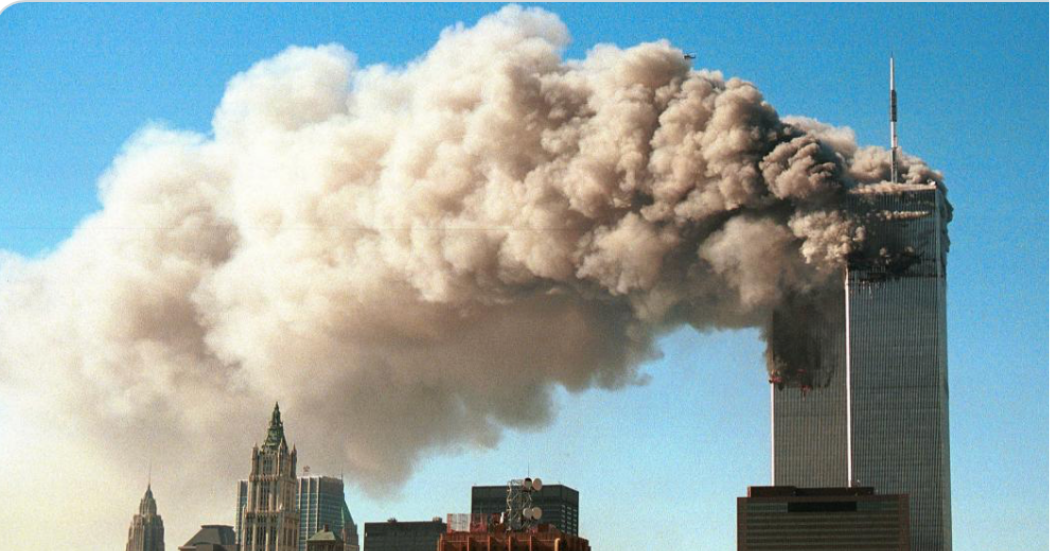
Mohammed is accused of developing and directing the plot in which hijacked passenger planes struck the World Trade Center in New York and the Pentagon, while another crashed in Pennsylvania. Nearly 3,000 people were killed in the September 11 attacks.
The case has been delayed for more than two decades by disputes over evidence, interrogation methods, classified information and the legal framework governing the military commissions at Guantánamo Bay.
Sources: Just the News on X: Associated Press; Reuters; The Philadelphia Inquirer
By NJ RADAR Team