


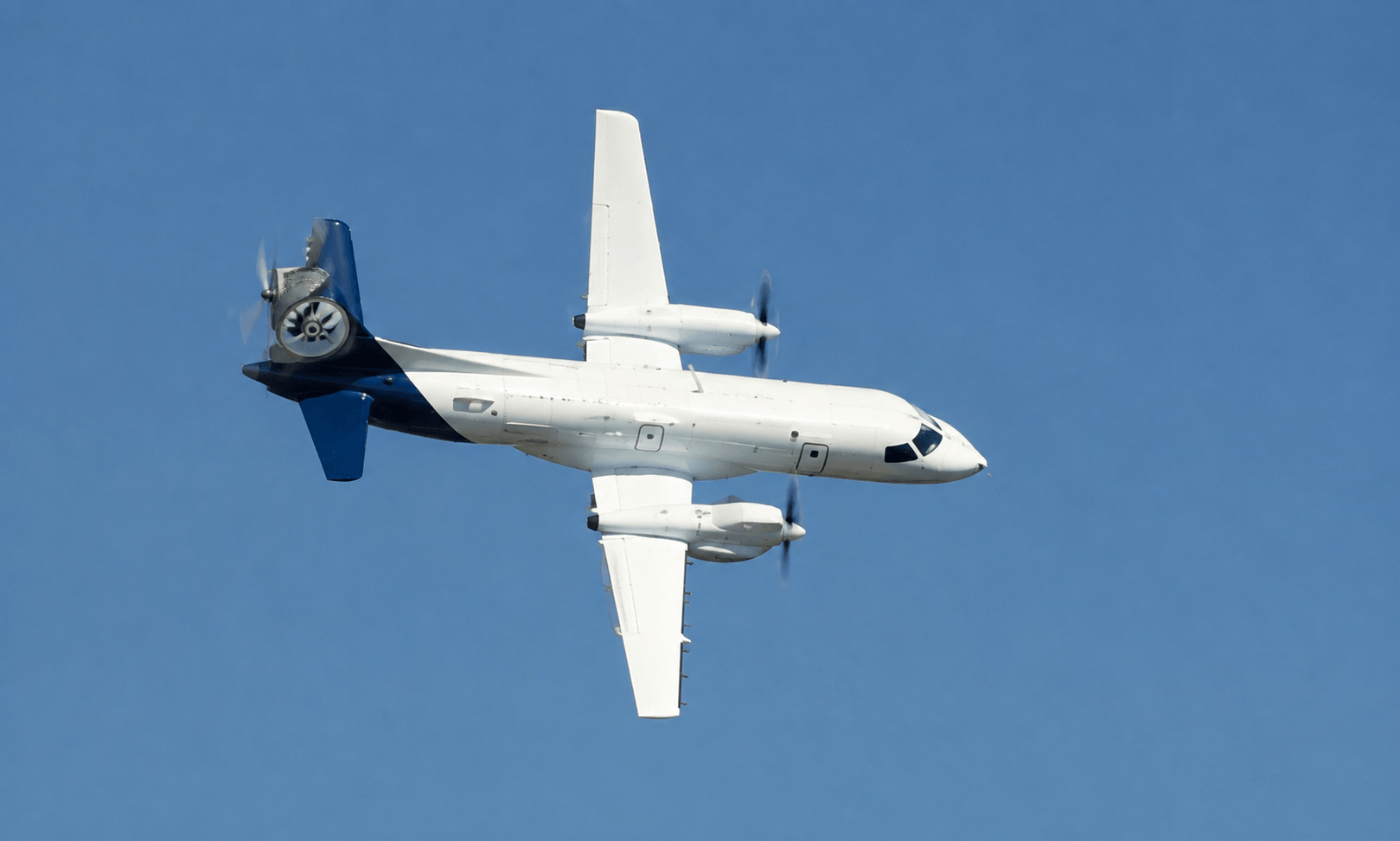
A hybrid electric aircraft recently made stops in New Jersey as part of a federal demonstration program testing how smaller airports could one day connect travelers more directly with major airline hubs.
The demonstration flights were conducted by Electra with the Pennsylvania Department of Transportation, in partnership with the New Jersey Department of Transportation and the Federal Aviation Administration.
The route stretched from Manassas, Virginia, to Philadelphia, with stops at Millville Executive Airport and Atlantic City’s Bader Field in New Jersey before continuing to Northeast Philadelphia Airport and Philadelphia International Airport.
A glimpse of what future air travel could look like
The aircraft used for the demonstrations was Electra’s EL2 hybrid electric technology demonstrator, sometimes called the Goldfinch.
Unlike traditional aircraft that require long runways, Electra’s design uses eight wing mounted propellers and a technology known as blown lift, allowing the aircraft to take off and land in extremely short distances.
The company is developing this technology with the idea that future aircraft could connect communities, regional airports and major transportation hubs without requiring passengers to first make a long drive to a large commercial airport.
The demonstration in Atlantic City was particularly notable.
On August 13, Bader Field hosted what the New Jersey Department of Transportation called the state’s first Advanced Air Mobility demonstration.
Bader Field has not operated as an airport for nearly two decades, yet the aircraft’s short takeoff and landing capabilities allowed it to operate from the site.
NJDOT Commissioner Priya Jain described the demonstration as “a glimpse of the future,” saying the concept could eventually allow people to travel more directly to where they need to go instead of driving long distances to a major airport.
Hybrid electric, not fully electric
The aircraft is not powered entirely by batteries.
A hybrid electric propulsion system combines electric power with another onboard energy source, an approach intended to reduce fuel use while retaining the range and reliability needed for practical aviation.
Electra is ultimately developing a larger aircraft called the EL9 Ultra Short, designed to carry up to nine passengers. The smaller EL2 used in these demonstrations is a technology test aircraft rather than the commercial passenger version the company hopes to certify in the future.
Small airports could become much more important
One of the most interesting possibilities behind the project is that existing smaller airports could play a larger role in regional transportation.
Instead of driving an hour or more to a major airport, a passenger might one day board a small advanced aircraft much closer to home and connect directly with a larger airport or another nearby community.
That does not mean commercial hybrid electric passenger service is about to begin in Millville or Atlantic City.
These were demonstration flights, not the launch of a new airline route.
The flights are part of the FAA’s eVTOL Integration Pilot Program, which is collecting real world data to determine how next generation aircraft can safely operate alongside conventional airplanes in the National Airspace System.
The U.S. Department of Transportation selected eight projects across 26 states for the program earlier this year, and additional demonstration flights are expected throughout 2026.
The future may arrive at a smaller airport
For New Jersey, the demonstration was more than the arrival of an unusual aircraft.
It offered a look at a possible future in which electric and hybrid electric aircraft use much smaller landing areas, connect places that currently have limited air service and make regional flying more direct.
Whether that vision eventually becomes part of everyday travel will depend on certification, safety testing, infrastructure and economics.
But for a few demonstration flights through Millville and Atlantic City, New Jersey got an early look at what the next generation of air travel might look like.
Sources: Federal Aviation Administration, New Jersey Department of Transportation, News 12 New Jersey
By NJ RADAR Team