


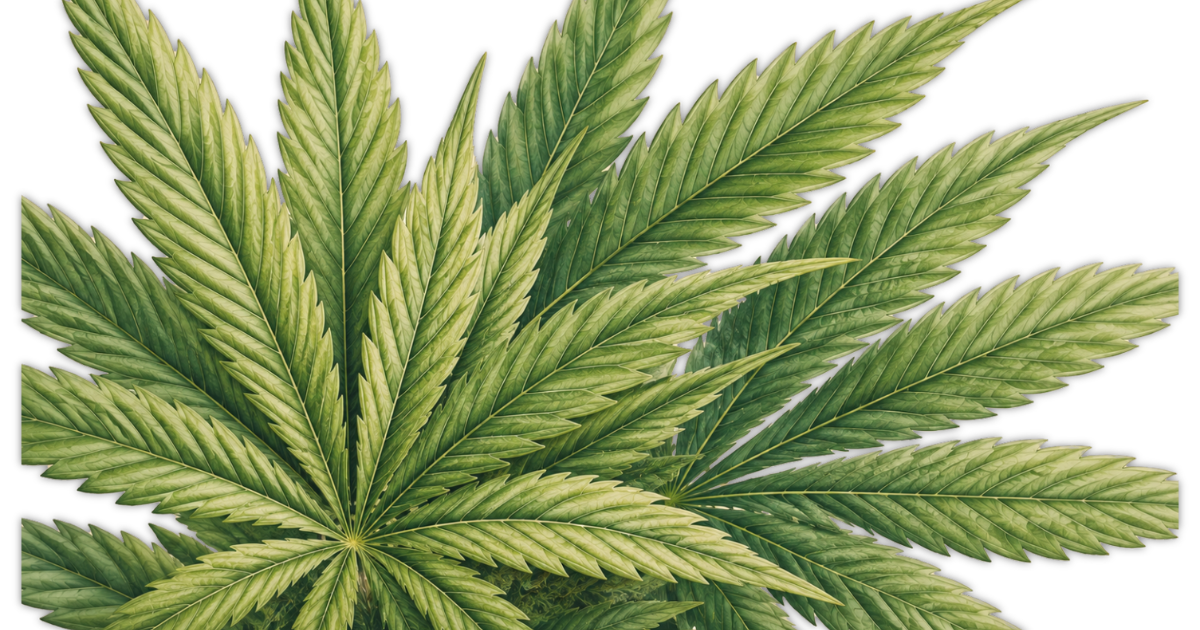
Canada is investing 24 million Canadian dollars in a major new research effort aimed at helping scientists better understand how cannabis affects the brain. The project comes at a time when cannabis is increasingly discussed through legalization, mental health and medicine, even though the same plant was once used mainly as a raw material for making cloth and other practical items.
The Canadian government announced that it is investing 24 million Canadian dollars through the Canadian Institutes of Health Research to establish the country’s first national Canadian Cannabis and Brain Health Consortium.
The consortium will bring together 10 multidisciplinary research teams that will study how cannabis affects brain health at different stages of life.
The research will cover youth, pregnancy, frequent cannabis use, sleep, psychosis, PTSD, epilepsy and other health-related issues. Scientists will also examine the possible therapeutic uses of cannabis.
Canada legalized recreational cannabis in 2018, but researchers still say there are significant gaps in knowledge, especially when it comes to long-term effects and the impact of products with high levels of THC.
According to the Canadian government, more than one in three Canadian adults reported using cannabis in 2025.
Hemp Was Once Used Very Differently
For many people today, the word cannabis immediately means marijuana.
But hemp was once grown mainly for its strong fibers, which were used to make a variety of practical everyday items.
Among them were feed bags placed around horses’ necks while they ate oats.
Hemp fibers were also used to make strong, coarse cloth, sacks, rope and other items that needed to be durable.
In that context, hemp was seen primarily as a useful agricultural crop and a source of strong material, rather than in the way cannabis is most commonly discussed today.
Industrial Hemp and Marijuana Are Not the Same
It is important to distinguish between industrial hemp and cannabis varieties grown for psychoactive effects.
Although they belong to the same broader plant family, they can differ significantly in purpose and chemical composition.
Industrial hemp has traditionally been grown mainly for fiber and seeds and contained very low levels of THC compared with cannabis varieties cultivated for psychoactive effects.
THC is the main compound responsible for the intoxicating effects associated with cannabis.
That means people working in large fields of industrial hemp would not normally become intoxicated simply by being near the plants.
The psychoactive effects of THC generally require direct consumption, such as inhaling smoke or vapor or ingesting cannabis through food or other products.
Why Is Canada Investing in Research Now?
Today’s cannabis products can vary greatly in potency, and some contain much higher levels of THC than plants historically grown for fiber.
That is one reason researchers want to better understand how different forms of cannabis affect the brain.
The 10 research teams will study questions ranging from youth brain development and exposure during pregnancy to sleep, PTSD, epilepsy, psychosis and cannabis use disorders.
The goal of the project is not simply to prove that cannabis is “good” or “bad,” but to gather stronger scientific evidence that can help health professionals and policymakers.
One Plant, A Completely Different Role
The story of cannabis shows how society’s relationship with a single plant can change dramatically.
Hemp was once grown for its fibers and used to make cloth strong enough even for feed bags worn around horses’ necks.
Today, cannabis is the subject of major research involving the brain, mental health, medicine and the long-term effects of use.
Canada’s $24 million investment aims to answer some of those questions.
And that contrast may be the clearest example of how much the world around this plant has changed.
Sources
Government of Canada, Canadian Institutes of Health Research
Forbes
By NJ RADAR Team