

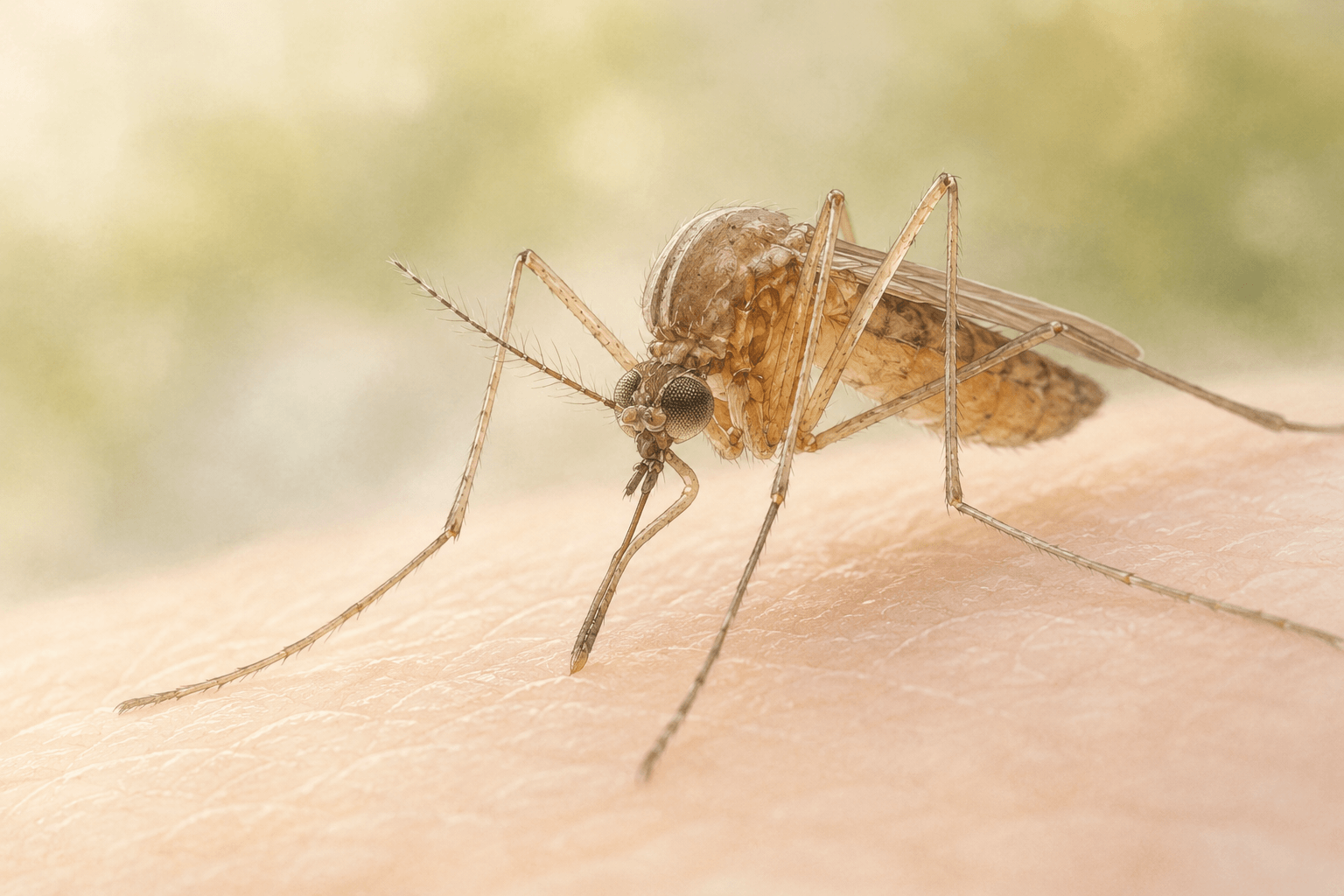
Multiple mosquito samples collected across Bergen County have tested positive for West Nile virus, prompting county officials to intensify surveillance and mosquito-control efforts. So far, no human cases have been reported in Bergen County, according to county officials.
BERGEN COUNTY, NJ — Mosquito season is bringing more than the usual summer nuisance to North Jersey.
Bergen County officials announced that multiple pools of mosquitoes collected across the county have tested positive for West Nile virus. In response, the county’s “Bergen Bites Back” program is stepping up surveillance, larval control and public education aimed at reducing the risk of the virus spreading further.
The announcement does not mean that everyone bitten by a mosquito is at risk, nor does it mean that human infections have been detected locally. County officials specifically said that no human cases have been reported at this time.
Still, the timing is important. The New Jersey Department of Health said earlier this summer that West Nile activity began unusually early in 2026 and had already been detected in mosquitoes in 12 New Jersey counties by late July. West Nile is the most commonly reported mosquito-borne disease in the state.
Bergen County increases mosquito surveillance
The county is using several methods to track and control mosquito populations, including mosquito traps, species identification, larval treatments and targeted mosquito-control operations.
On Tuesday, August 18, Bergen County Executive Jim Tedesco, County Entomologist Matt Bickerton and mosquito-control staff are scheduled to demonstrate how the county monitors mosquito-borne diseases at the Bergen County Annex in Paramus.
One of the more unusual tools being used is completely natural: mosquito-eating fish.
Bergen County maintains a breeding pond for these fish and releases them into selected water sources, where they feed on mosquito larvae before the insects can mature. State health officials say mosquito-control programs across New Jersey also use natural predators, removal of breeding habitats and targeted applications of approved insecticides.
What residents can do
Health officials say one of the simplest ways residents can help is by removing standing water around their homes.
Buckets, flowerpots, birdbaths, children’s toys, pet dishes, clogged gutters and pool covers can all collect enough water for mosquitoes to breed.
The New Jersey Department of Health recommends emptying accumulated water at least once a week, maintaining screens on windows and doors, wearing long sleeves and pants when practical and using EPA-registered insect repellents outdoors.
The CDC also advises taking extra precautions from dusk through dawn, when mosquitoes that can transmit West Nile virus are particularly active.
What is West Nile virus?
West Nile virus is most commonly transmitted to humans through the bite of an infected mosquito.
Many people who become infected develop no symptoms. Others may experience fever, headache, body aches, vomiting, diarrhea or a rash. In a small number of cases, the infection can become serious and affect the central nervous system. Older adults and people with certain medical conditions or weakened immune systems face a greater risk of severe illness.
New Jersey health officials say an average of about 22 human cases of West Nile virus are reported each year in the state.
For Bergen County residents, officials are not calling for alarm. But the positive mosquito samples are a reminder that something as simple as an overlooked container of rainwater in the backyard can become part of a much larger public-health problem.
Sources: Bergen County Government, New Jersey Department of Health, Centers for Disease Control and Prevention (CDC)
By NJ RADAR Team