


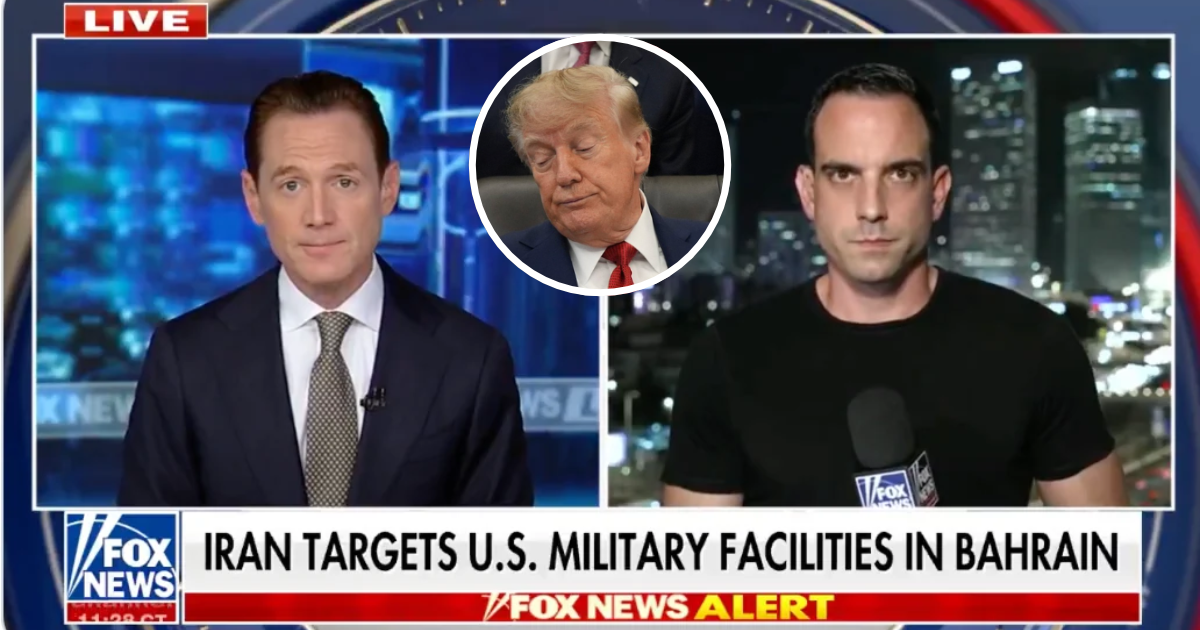
In an exclusive conversation with Fox News, the president accused Iranian negotiators of stalling, threatened the country’s remaining naval forces, and signaled that Washington could return to major military operations after the new year.
WASHINGTON, D.C. — November 22, 2026 — President Donald Trump has issued another warning to Iran, saying he is inclined to launch new military strikes after January 1 if negotiations fail to produce an agreement. In a telephone conversation with Fox News correspondent Trey Yingst on Sunday, Trump accused Iranian officials of wasting time at the negotiating table while tensions between Washington and Tehran continue to escalate.
The president described Iranian negotiators as “professional tap dancers,” suggesting they repeatedly avoid making meaningful commitments.
“They talk all the time,” Trump said, dismissing the negotiations as empty rhetoric.
Trump also claimed Iran had become more aggressive since the November 3 U.S. midterm elections, raising further questions about whether diplomatic efforts can prevent another round of American military action.
Trump Signals a Possible Return to Military Strikes
The warning comes as the United States continues its military confrontation with Iran, which began with joint American and Israeli strikes on February 28.
The campaign targeted Iranian military infrastructure and senior officials, but months of fighting have failed to produce a lasting agreement.
Trump has repeatedly insisted that any settlement must permanently prevent Tehran from developing nuclear weapons. He has also demanded terms that would remain binding beyond his presidency.
Earlier this week, the president indicated that he was in no hurry to make another military decision and would reassess the situation after the beginning of 2027.
His latest remarks to Fox News suggest that additional strikes remain a serious option if negotiations fail.
The administration is weighing whether to continue diplomatic efforts, maintain economic and military pressure, or expand operations against Iranian targets.
A Warning to Iran’s Navy
Trump’s comments went beyond the possibility of future airstrikes.
He also issued a direct threat to Iranian naval forces that might attempt to challenge the American blockade of Iranian ports.
The United States has maintained a naval blockade as part of its broader military campaign, increasing pressure on Tehran and restricting maritime activity around the Persian Gulf.
Iranian officials have suggested that their vessels could challenge the restrictions.
Trump responded by warning that ships attempting to confront American forces could be destroyed.
The confrontation is particularly dangerous around the Strait of Hormuz, one of the world’s most important shipping routes for oil and natural gas.
Military activity in the region has disrupted commercial shipping and raised concerns about the security of international energy supplies.
Renewed fighting could further endanger vessels operating in the area and increase pressure on global markets.
Diplomacy Continues Under Growing Pressure
Despite the president’s increasingly forceful language, diplomatic contacts between Washington and Tehran have not completely ended.
Iranian Foreign Minister Abbas Araghchi said Friday that his country still hopes negotiations can bring an end to the conflict.
Trump, however, maintains that Tehran has not offered an agreement acceptable to the United States.
Qatar has continued to play an intermediary role, helping communicate proposals between the two governments.
The disagreement remains centered on Iran’s nuclear program, the terms of a possible settlement, and the wider military conflict.
For Tehran, the continuing American military presence and naval blockade represent major sources of pressure. Washington, meanwhile, argues that Iran must accept stronger restrictions before a durable agreement is possible.
The situation has become increasingly complicated as both sides continue military operations while publicly expressing different expectations for a negotiated settlement.
Trump Encourages Iranian Protesters
During the Fox News conversation, Trump also addressed renewed anti-government demonstrations in Iran.
Asked about protests reported in several Iranian cities, the president encouraged demonstrators to continue.
“Keep protesting,” he said.
The demonstrations come as Iran faces mounting domestic difficulties, including economic pressure and disruptions to essential services.
The protests add another dimension to an already volatile situation involving military confrontation, international sanctions, and uncertainty over Iran’s political future.
Trump’s remarks also signal that Washington is watching developments inside Iran as it considers its next steps.
Growing Concerns Across the Middle East
Another round of American strikes could have consequences well beyond Iran.
Countries across the Persian Gulf have already experienced missile and drone attacks during the conflict, including strikes affecting military installations and civilian infrastructure.
Regional governments have expressed concern that a renewed American offensive could provoke further Iranian retaliation.
The United States continues to maintain substantial military forces in the region, while American allies are closely monitoring the possibility of another escalation.
For countries dependent on shipping through the Strait of Hormuz, the security of maritime routes remains a particular concern.
Meanwhile, the economic consequences of prolonged instability continue to affect energy markets and international trade.
The New Year Becomes a Critical Deadline
Trump has not announced a final decision to conduct new strikes, but his latest comments place renewed emphasis on the period immediately following January 1, 2027.
The president’s message is increasingly clear: he wants an agreement that meets Washington’s demands and is prepared to consider additional military force if negotiations fail.
Iranian officials continue to express interest in diplomacy, although significant disagreements remain over the conditions for ending the conflict.
With the new year approaching, the United States and Iran face a narrowing opportunity to reach an agreement before the confrontation potentially enters another dangerous phase.
Sources: Fox News, November 22, 2026; Reuters, November 19–20, 2026; Associated Press, November 20–21, 2026; The Jerusalem Post, November 22, 2026.
By NJ RADAR Team