


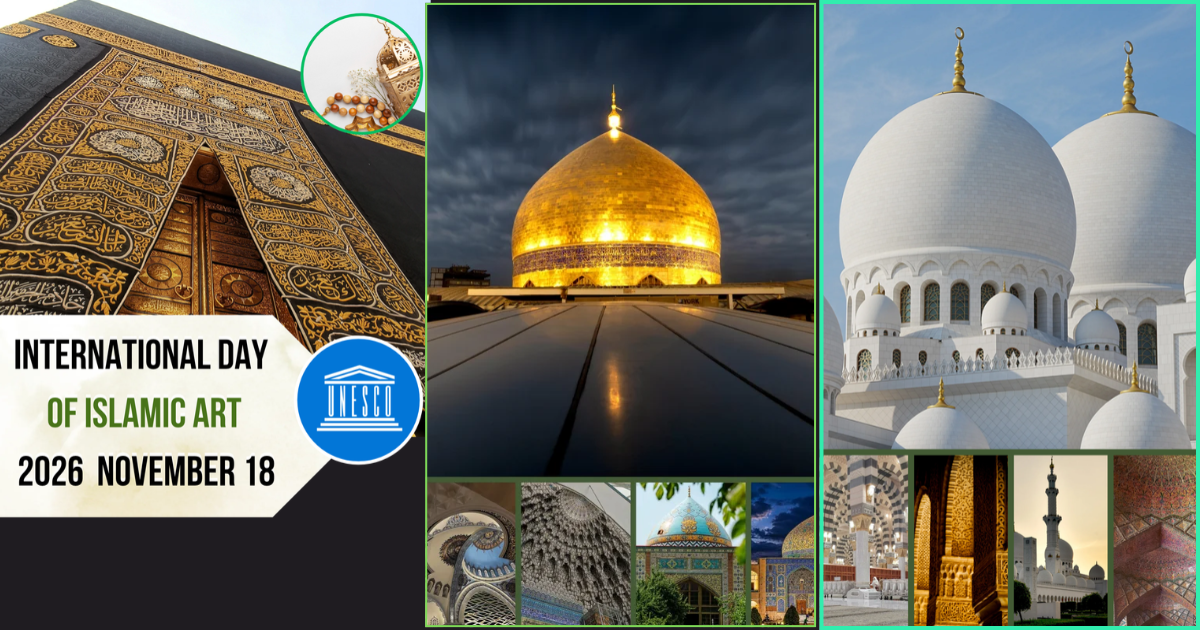
November 18, 2026 — From the elegance of Arabic calligraphy and the breathtaking architecture of mosques to the harmony of gardens, the gentle flow of fountains, and the beauty of intricate geometric patterns, Islamic art reflects centuries of creativity, spiritual inspiration, and a profound appreciation for nature, beauty, and knowledge.
On November 18, UNESCO marks the International Day of Islamic Art, celebrating more than 1,400 years of artistic achievement and the contributions of Islamic civilizations to humanity’s shared cultural heritage.
Established by UNESCO in 2019 and first observed in 2020, the international day recognizes the diversity of Islamic artistic traditions and their role in encouraging cultural understanding and dialogue.
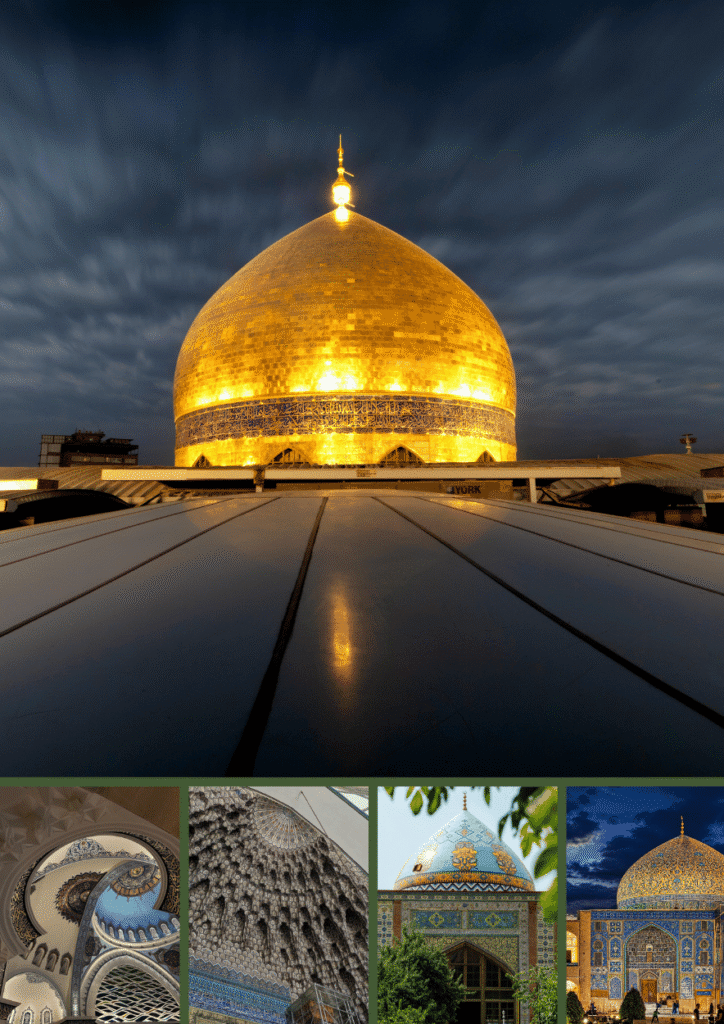
Calligraphy: When Writing Becomes Art
Calligraphy holds a distinguished place in Islamic artistic traditions. Arabic letters, transformed into elegant compositions, decorate Qur’anic manuscripts, mosque walls, ceramic tiles, textiles and architectural monuments.
Over centuries, artists developed distinctive calligraphic styles, including Kufic, Naskh and Thuluth, combining written meaning with artistic expression.
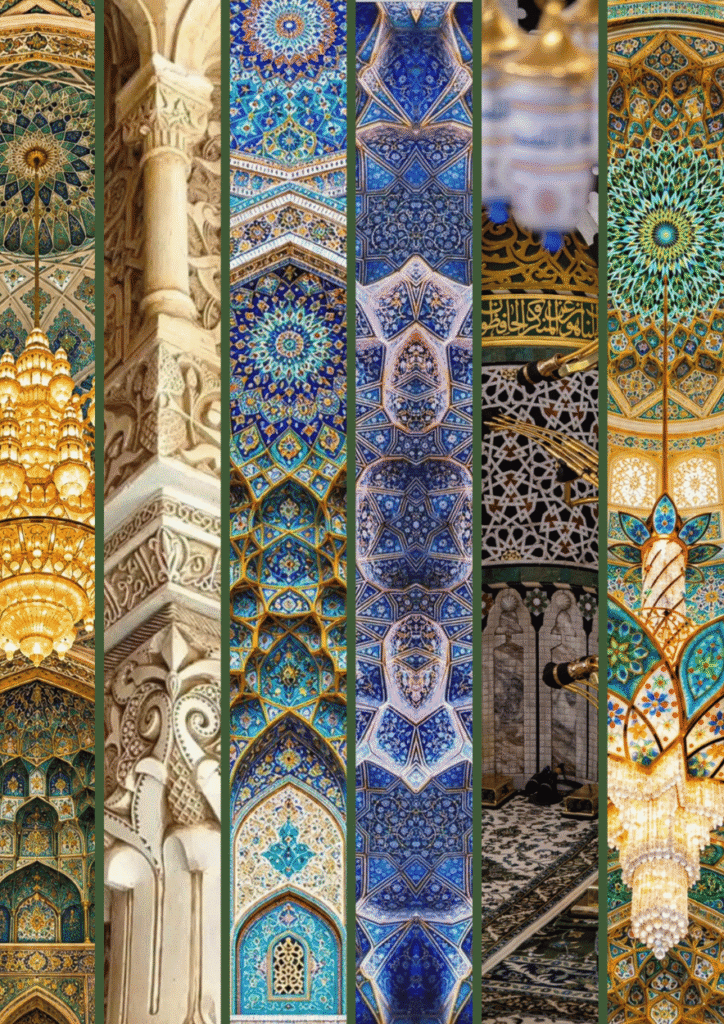
Calligraphy became more than beautiful handwriting. It united language, spirituality, geometry and artistic creativity, turning the written word into one of Islamic civilization’s most recognizable art forms.
Mosques: Masterpieces of Architecture
Islamic architecture has produced extraordinary monuments, from the soaring minarets and magnificent domes of Istanbul’s Blue Mosque to the beautifully decorated courtyards of the Alhambra in Granada, Spain.
Mosques often combine arches, domes, columns, carved stone, colorful tiles and elaborate decorative patterns to create spaces of harmony and contemplation.
The architectural heritage of Islamic civilizations extends beyond places of worship to palaces, libraries, schools, public baths and historic marketplaces.
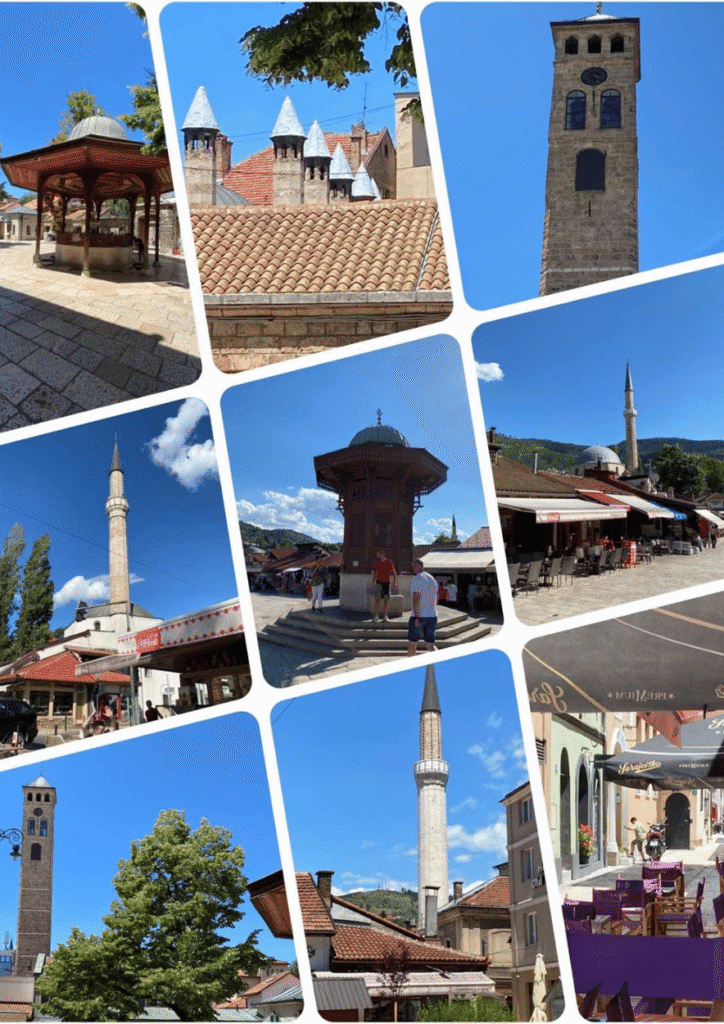
Across Bosnia and Herzegovina, Ottoman-era mosques, bridges and fountains also preserve this architectural legacy, reflecting centuries of interaction between Islamic traditions and local European culture.
Nature, Gardens and the Beauty of Water
Nature has long inspired Islamic artists and architects.
Flowers, leaves, vines and branching plants appear in elaborate arabesque designs, decorating walls, carpets, ceramics, manuscripts and everyday objects.
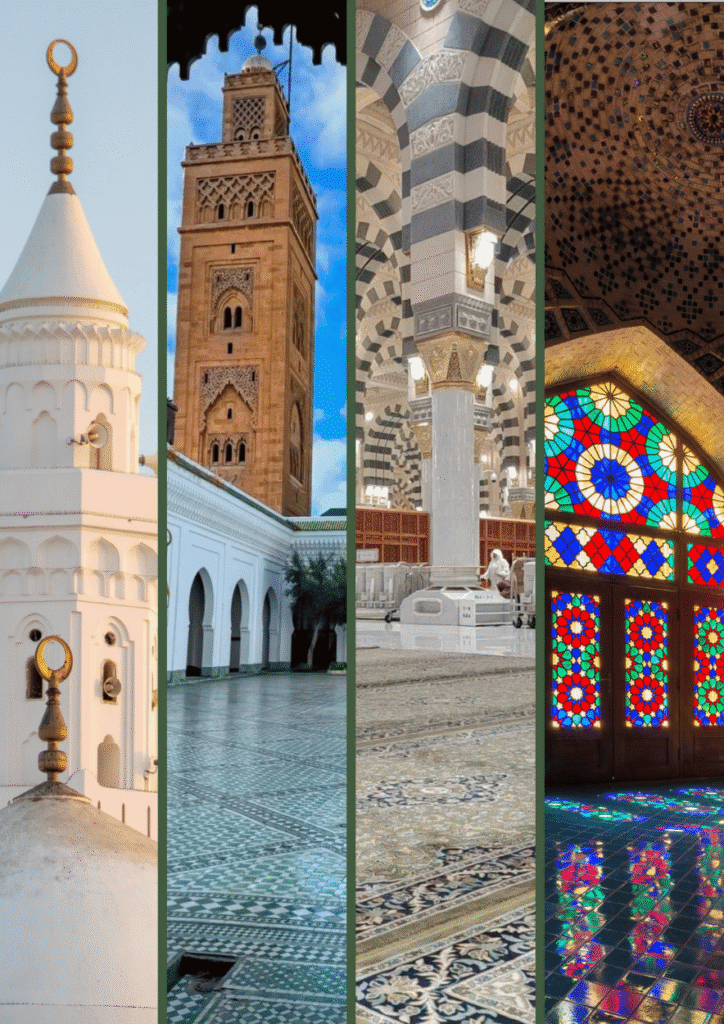
Gardens occupy a particularly meaningful place in Islamic architecture, often associated with peace, balance and the image of paradise.
Water is equally important. Flowing fountains, reflecting pools and carefully designed channels bring movement, sound and tranquility into architectural spaces.
The gardens and fountains of the Alhambra and Generalife in Spain demonstrate how landscape design, architecture and water engineering were brought together to create environments of exceptional beauty.
These elements were not merely decorative. They also reflected practical knowledge of irrigation, hydraulic systems and the relationship between architecture and the natural environment.
Geometry: Where Art Meets Mathematics
One of Islamic art’s most distinctive achievements is its sophisticated use of geometry.
Circles, squares, stars and polygons are combined into repeating patterns that can appear almost endless.
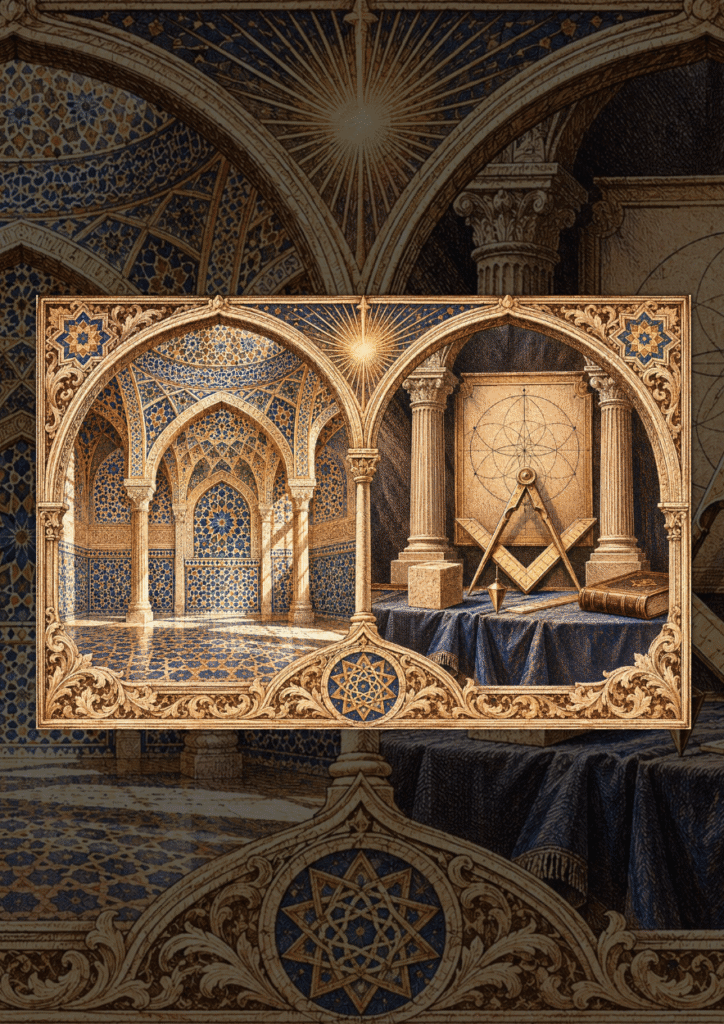
Behind these decorations lie mathematical principles involving symmetry, proportion, measurement and spatial relationships.
The development of geometric ornament also illustrates the exchange of knowledge between mathematicians, architects and skilled artisans.
Such designs continue to influence contemporary architecture, graphic design, textiles and decorative arts around the world.
A Cultural Heritage Beyond Borders
Islamic art is not limited to religious buildings or objects. It encompasses ceramics, metalwork, glass, woodcarving, carpets, jewelry, illuminated manuscripts and contemporary artistic creations.
Its traditions developed across the Middle East, North Africa, Spain, the Balkans, Central Asia, South Asia and Southeast Asia, absorbing regional influences while developing distinctive artistic identities.
Famous landmarks such as the Alhambra, Istanbul’s Blue Mosque and India’s Taj Mahal demonstrate the extraordinary geographical and cultural reach of this heritage.
Today, museums, cultural institutions and contemporary artists continue to preserve, study and reinterpret these traditions.
Through the International Day of Islamic Art, UNESCO emphasizes that this artistic legacy belongs not only to the communities that created it but also to the wider history of human creativity.
From a single calligraphic letter to a magnificent mosque, from the symmetry of a geometric pattern to the gentle sound of a garden fountain, Islamic art continues to connect beauty, knowledge, nature and culture across generations.
Did You Know?
Mathematics hidden in patterns. In 2007, researchers Peter Lu and Paul Steinhardt suggested that some medieval Islamic geometric patterns, such as those at the Darb-i Imam shrine in Isfahan (1453), resemble quasi-periodic tilings that Western mathematics described only centuries later.
A Bosnian fountain. In the heart of Sarajevo’s Baščaršija stands the Sebilj, a wooden fountain built in 1891 in the Ottoman style. It remains one of the city’s best-known symbols and a gathering place for locals and visitors.
A bridge that became a symbol. The Old Bridge (Stari Most) in Mostar, completed in 1566, was inscribed on the UNESCO World Heritage List in 2005 as a symbol of reconciliation and coexistence of diverse communities.
Light as decoration. The tradition of the festive lantern (fanous) is especially popular in Egypt, where, according to tradition, it dates back to the Fatimid era in Cairo. Today lanterns are made from metal, glass and even recycled materials, which connects this heritage with modern reuse and handmade crafts.
Sources:
- UNESCO — International Day of Islamic Art: https://www.unesco.org/en/days/islamic-art
- UNESCO World Heritage Centre — Alhambra, Generalife and Albayzín, Granada: https://whc.unesco.org/en/list/314
- The Metropolitan Museum of Art — Islamic Art Collection and Educational Resources: https://www.metmuseum.org/art/collection
- Bahrain Authority for Culture and Antiquities — International Day of Islamic Art
Aziza Smailovic