

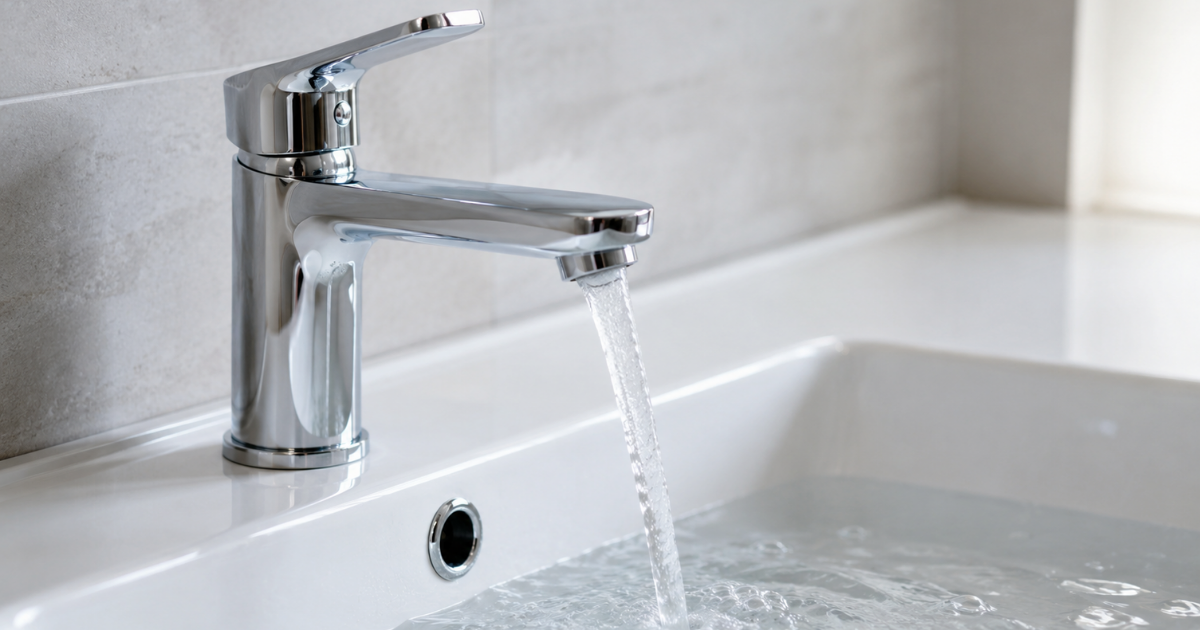
New Jersey Attorney General Jennifer Davenport is urging the U.S. Environmental Protection Agency to expand nationwide monitoring of microplastics in drinking water, citing concerns about potential health effects and widespread exposure.
Davenport led a coalition of 15 attorneys general in calling on the EPA to take additional steps after the agency placed microplastics on its draft Sixth Contaminant Candidate List, or CCL 6.
The EPA announced in April that microplastics would be included as a priority contaminant group on the list for the first time. The list identifies substances that are not currently subject to national drinking water regulations but may warrant further research and possible future regulation under the Safe Drinking Water Act.
Davenport and the other attorneys general are asking the EPA to go further by requiring broader monitoring of microplastics in future drinking-water programs.
“Microplastics are everywhere,” Davenport said in announcing the effort, adding that the EPA should require greater monitoring as it develops future rules.
Microplastics are tiny plastic particles that can enter the environment through the breakdown of larger plastic products and other sources. Research cited by New Jersey officials indicates that people can be exposed through drinking water, food and air, although scientists are still studying the extent of the health risks associated with different types and levels of exposure.
EPA itself says additional research is needed to develop standardized methods for measuring microplastics in drinking water and to determine what levels may pose a public-health concern.
New Jersey was joined in the effort by attorneys general from California, Connecticut, Delaware, Illinois, Maryland, Massachusetts, Michigan, New York, North Carolina, Oregon, Vermont, Virginia and Wisconsin, as well as the District of Columbia.
The push does not mean that a federal limit for microplastics in drinking water has been established. For now, EPA’s inclusion of microplastics on CCL 6 is an early step that could lead to additional monitoring, research and eventually a decision on whether federal regulation is necessary.
Sources: New Jersey Office of the Attorney General, U.S. Environmental Protection Agency
By NJ RADAR Team