


President Donald Trump has rejected an Iranian offer to reopen the Strait of Hormuz within seven days, calling the proposed terms unacceptable. Iran had asked for an end to the naval blockade, partial unfreezing of assets, and the lifting of oil sanctions — conditions Washington says would weaken its negotiating position. Trump also did not rule out further military action after the November elections.
US President Donald Trump has rejected an Iranian offer to reopen the strategically vital Strait of Hormuz within seven days.
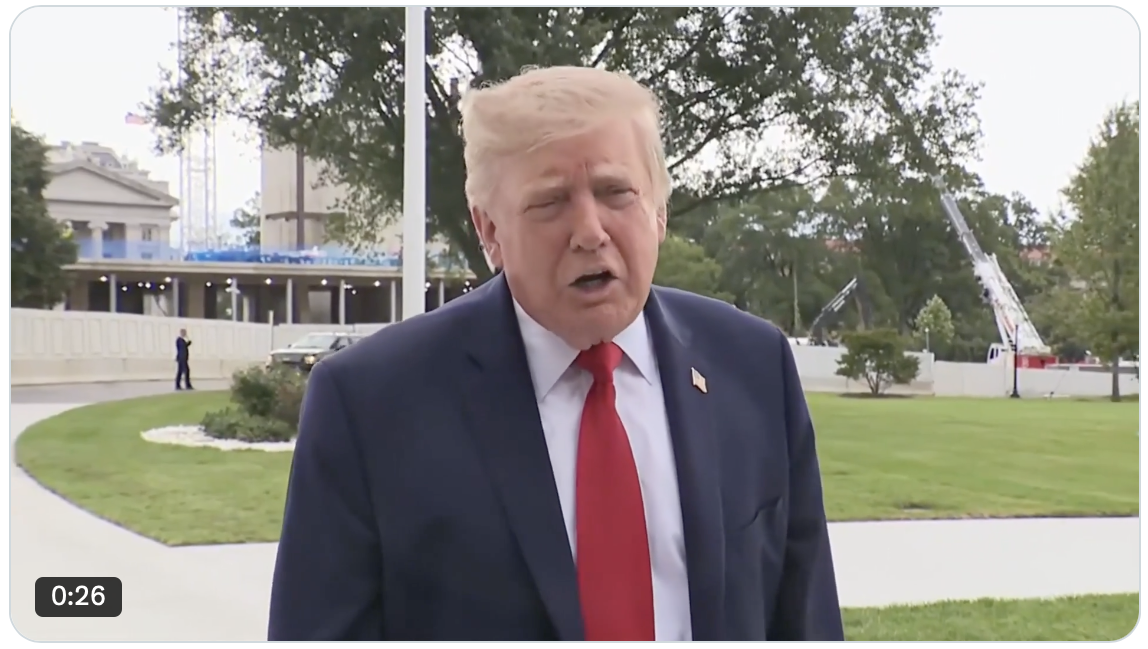
Speaking to reporters, Trump confirmed that Tehran had offered to quickly reopen the strait, noting that Iran is suffering serious economic losses due to the closed passage. The president, however, judged that the conditions set by Iran were unacceptable to the United States.
“I love making deals, but this deal would be unacceptable,” Trump said.
Asked by a reporter whether Washington would consider military action against Iran after the November midterm elections, Trump did not rule out the possibility of continued military operations if an acceptable agreement is not reached.
According to available information, Iran had asked that the US lift the naval blockade of Iranian ports in return, partially unfreeze frozen assets, and lift sanctions on Iranian oil exports. The Trump administration believes that accepting such conditions would weaken America’s negotiating position.
This exchange comes at a time when tensions between Washington and Tehran remain high, with the strait closed to commercial traffic for months amid a conflict that has raged since late February. Trump has previously repeated his intention to declare the strait US territory, posting maps on Truth Social labeling Hormuz as “new US territory” — a move Iran has dismissed as unserious and legally baseless.
The Strait of Hormuz is one of the world’s most important energy corridors — around a fifth of global oil passes through it in peacetime, meaning any disruption to traffic through it has a direct impact on global energy markets.
Sources: Deccan Chronicle, SCMP, Qatar Tribune, Nexta, Washington Examiner
By NJ RADAR Team