


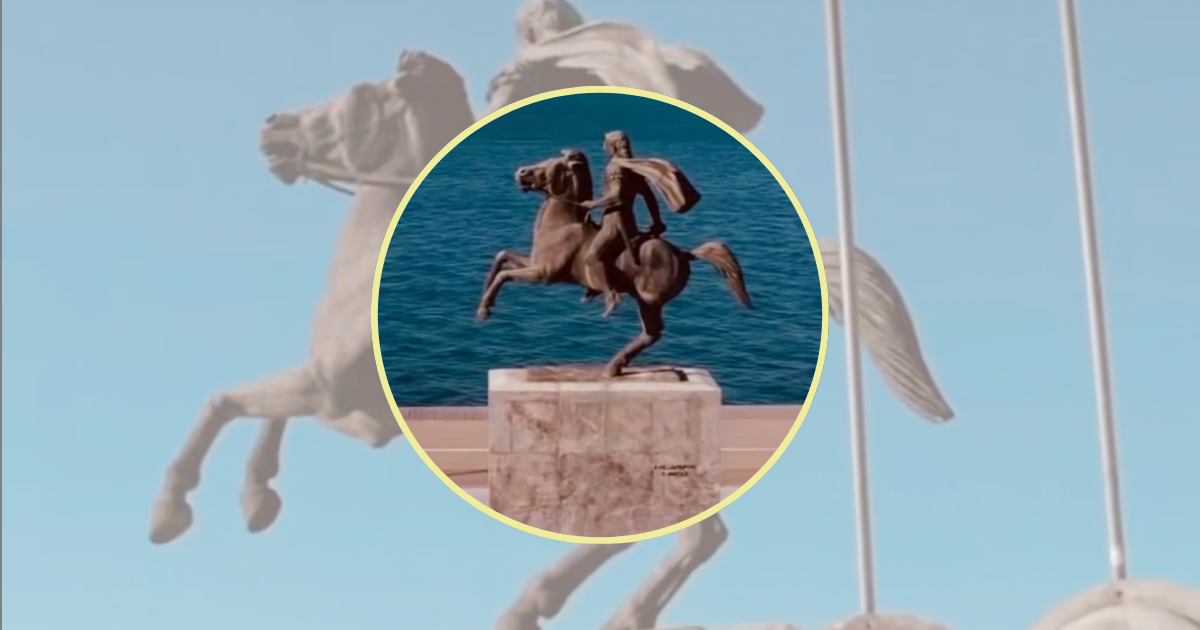
On October 2, 331 BC, one day after his decisive victory at the Battle of Gaugamela, Alexander the Great continued his pursuit of Persian king Darius III.
After defeating the much larger Persian army, Alexander moved rapidly toward Arbela, near modern-day Erbil in Iraq, hoping to capture Darius before he could reorganize his forces.
By the time Alexander arrived, Darius had already fled, leaving behind part of the royal treasury and abandoning the immediate battlefield region.
The defeat at Gaugamela effectively shattered Persian resistance in Mesopotamia and opened the road for Alexander to capture major Achaemenid centers, including Babylon, Susa and eventually Persepolis.
Darius remained on the run for months as Alexander advanced deeper into the Persian Empire.
In 330 BC, Darius was killed in northeastern Iran near the ancient city of Hecatompylos, in the region associated with present-day Damghan, after being abandoned and attacked by members of his own entourage.
The Battle of Gaugamela is remembered as one of Alexander’s greatest military victories and a decisive turning point in the fall of the Achaemenid Persian Empire.
Sources: World History Encyclopedia; Encyclopaedia Britannica
By NJ RADAR Team