


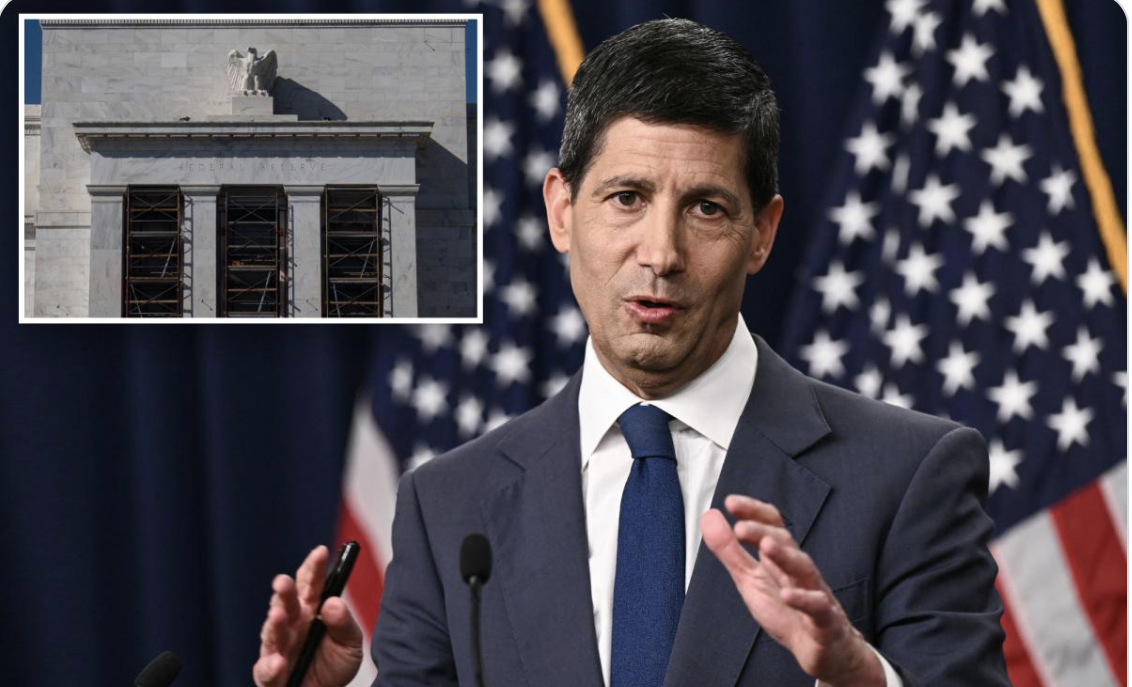
WASHINGTON — The Federal Reserve raised its benchmark interest rate by 25 basis points on Wednesday, marking its first rate increase since 2023 as policymakers respond to persistent inflation and rising energy costs.
The move lifts the federal funds target range to 3.75%–4.00%. Fed officials also signaled that additional increases may follow if inflation remains elevated.
Fed Chair Kevin Warsh said inflation is still running too high and that underlying price pressures did not improve meaningfully over the summer. The central bank’s decision comes after renewed pressure from higher oil prices and stronger-than-expected inflation data.
The rate increase matters because the federal funds rate influences borrowing costs throughout the economy. Major U.S. banks moved quickly after the Fed decision, raising their prime lending rate from 6.75% to 7%. Prime rates are commonly used as a benchmark for credit cards, personal loans and other forms of borrowing.
For consumers, that means borrowing could become even more expensive.
Credit card rates, which are often variable, can rise relatively quickly after a Fed increase. Auto loans and personal loans may also become more expensive, while businesses face higher financing costs. Savers, however, may benefit if banks increase rates on savings accounts and certificates of deposit.
The housing market is already feeling the pressure from higher borrowing costs. The average 30-year mortgage rate has climbed to around 6.85%, while economists surveyed by Reuters expect mortgage rates to remain above 6.5% well into 2027. High mortgage rates are continuing to weigh on home sales and affordability.
Financial markets reacted negatively to the Fed’s decision and its signal that further tightening may be ahead. The Dow Jones fell about 1.3%, while the S&P 500 and Nasdaq also declined. Treasury yields rose, with the 10-year yield reaching around 5%.
The Fed is trying to slow inflation without weakening the economy too sharply. Higher interest rates generally reduce borrowing and spending, which can help cool price increases, but they can also slow hiring, housing activity and business investment.
The latest decision shows that the central bank now sees inflation as serious enough to begin tightening monetary policy again after more than three years without a rate increase.
Sources: Federal Reserve | Reuters
By NJ RADAR Team