


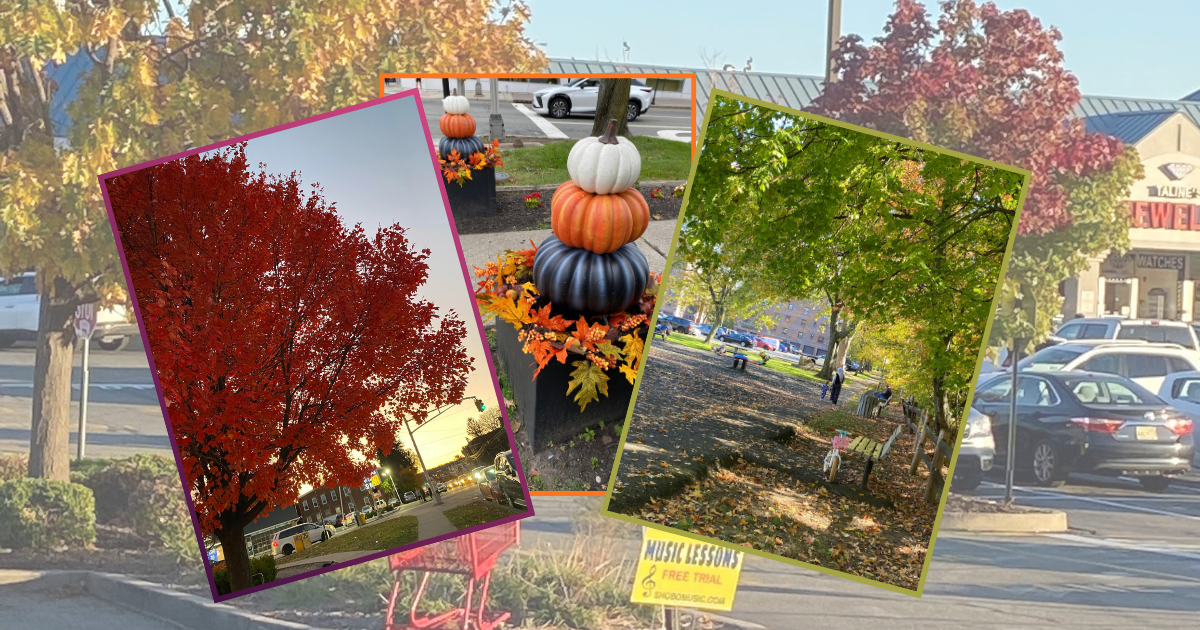
As the summer heat slowly gives way to cooler air, nature brings us another one of its quiet but important turning points. The arrival of autumn is announced not only by a change of clothes, earlier sunsets, and the smell of roasted chestnuts, but by a precise astronomical moment — the autumn equinox.
What Is Actually Happening in the Sky?
The word equinox comes from Latin — aequus, meaning equal, and nox, meaning night. It is the moment when the Sun’s rays fall almost directly on the Earth’s equator and when the balance between daylight and darkness comes closest to being equal.
Although the word literally means “equal night,” day and night are not exactly the same length everywhere. Because of the way the Earth’s atmosphere bends sunlight, and because of how sunrise and sunset are measured, daylight is usually a few minutes longer than nighttime.
The reason behind all of this comes down to one number: 23.5 degrees. That is the tilt of the Earth’s axis, and it is precisely because of that tilt that we have seasons.
Think of it like turning your body while sunbathing — the Earth does something similar, only according to the laws of physics. During the year, different parts of the planet receive different amounts of direct sunlight. Because of the tilt of the Earth’s axis, the Northern and Southern Hemispheres take turns being tilted more toward the Sun.
In the Southern Hemisphere, everything is reversed. While we in the north welcome autumn, spring begins there. Everyone on the planet moves through the same cycle of light and darkness, only at different times of the year.
After the autumn equinox, the Northern Hemisphere begins receiving less daylight. The days grow shorter, the nights become longer, and astronomical autumn officially begins, lasting until the winter solstice.
Astronomical autumn should not be confused with meteorological autumn. For weather and climate tracking, meteorological autumn begins on September 1 and lasts through the end of November.
What Does Autumn Bring to Nature?
While spring and summer are seasons of growth and abundance, autumn is a time of gathering and conserving energy.
As the days become shorter and temperatures drop, the production of chlorophyll in leaves slows down. The green color gradually disappears, revealing pigments that were there all along — yellow and orange carotenoids. In some species, red pigments called anthocyanins are also produced.
Autumn leaves can seem almost like nature’s own chameleons. The same leaf that was deep green in summer may turn yellow, orange, red, or brown within just a few weeks. As chlorophyll breaks down, the colors that were hidden beneath the green begin to appear, transforming entire forests into shades of gold, amber, orange, and crimson.
That is how the familiar autumn palette appears: yellow, gold, orange, red, and brown.
At the same time, trees draw nutrients from their leaves back into their roots, trunks, and branches, storing energy for the colder months and for the return of spring.
The animal world responds as well.
Migratory birds gather into flocks and head toward warmer regions. Some animals collect food for winter, others change their coats, and some slow their metabolism and prepare for periods of rest.
Nature enters a phase of conserving energy, preparing for winter and for the new cycle that will begin in spring.
A Rhythm We Need
In a fast-moving world, we often forget that we are part of the same natural system.
Autumn reminds us that everything does not always have to grow, bloom, and move faster. There are times when we need to slow down, preserve our energy, let go of what we no longer need, and prepare for what is coming next.
Just as forests shed their leaves, autumn sends us a quiet message: find balance, accept change, and allow ourselves a slower rhythm.
The equinox lasts only a moment, but what it announces continues for months: different light, cooler mornings, longer nights, and a landscape changing its colors.
Perhaps that is the beauty of autumn.
It reminds us that change is not an interruption of life, but a natural continuation of it.
By Aziza Smailovic