

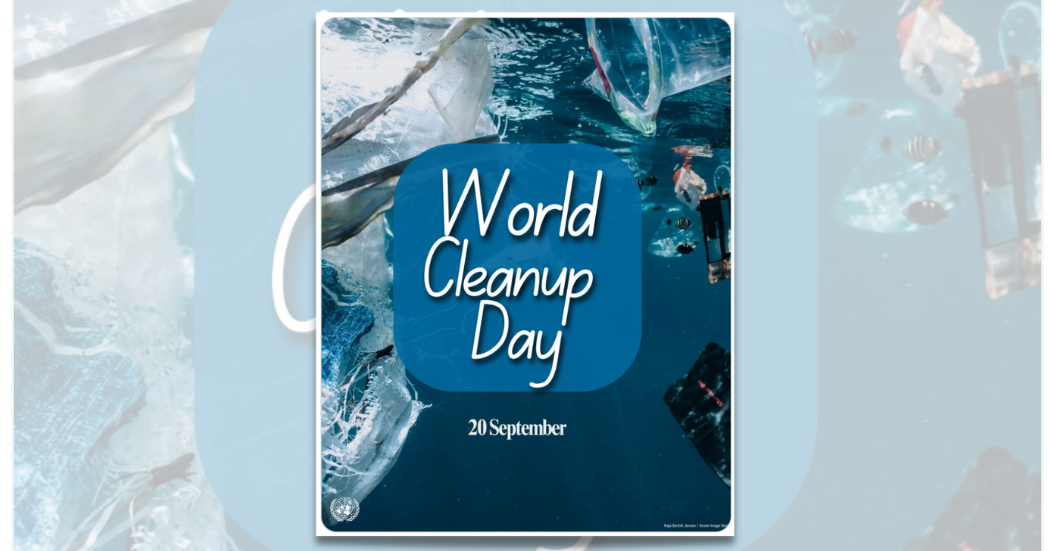
September 20 marks World Cleanup Day, a United Nations observance focused on the shared responsibility to keep communities clean, reduce waste and protect the environment.
This year’s theme, “From Clean Plates to Clean Cities,” draws attention to food waste and the impact it has on cities, waste-management systems and the environment. The United Nations says food waste remains one of the largest and most preventable waste streams worldwide.
According to UN data, about 1.05 billion metric tons of food were wasted at the household, food-service and retail levels in 2022 — roughly 19% of the food available to consumers.
World Cleanup Day encourages governments, schools, businesses, community groups and individuals to take part in cleanup activities, reduce unnecessary waste and promote more sustainable use of resources.
The message is simple: cleaner neighborhoods and healthier communities begin with everyday choices — from reducing food waste to disposing of trash responsibly.
World Cleanup Day is important because waste is not only a problem of appearance. Poorly managed trash can pollute rivers and oceans, damage wildlife habitats, create health risks, and place additional pressure on local governments and waste-management systems. Plastic waste is especially persistent because it can remain in the environment for decades and break down into smaller particles rather than simply disappear.
The observance also highlights an important idea: environmental protection is not only the responsibility of governments or large organizations. Individual behavior matters too. Reducing single-use products, recycling correctly, avoiding unnecessary food waste and taking part in community cleanups are small actions, but when repeated across entire neighborhoods and cities, they can have a measurable impact.
Cleanup efforts can also strengthen communities. When residents, schools, local organizations and businesses work together to improve shared spaces, the result is not only a cleaner environment but also greater awareness of how everyday habits affect public spaces.
World Cleanup Day therefore serves as more than a symbolic event. It is a reminder that waste prevention is often more effective than cleaning up after the damage has already been done — and that a cleaner environment begins long before the trash reaches the street, river or landfill.
Sources: United Nations — World Cleanup Day 2026; UN International Days and Weeks.
By NJ RADAR Team